Perspective from ECCMID 2014 Part II: What to do about MDR-GNR?

 gram neg

I was hoping that the ECCMID 2014 session on ‘Outbreaks of MDR Gram-negative bacteria: what works and what does not work?’ would bring some answers from large, controlled studies to improve the evidence base for MDR-GNR control. I’m sorry to report that most of what was presented only served to highlight the limitations of the evidence base! There’s a bit of a Catch 22 here: in most settings, the problem lies in outbreaks, but the answers lie in large, adequately controlled cluster randomized studies in endemic settings.

  • Dr Weterings from NL provided a rather bleak start to the session, reporting an outbreak of carbapenem-resistant K. pneumoniae in a hospital and nursing home. Environmental cultures regularly grew the outbreak strain (including a shared glucose meter) and the control measures that were effective in the hospital were more challenging to implement in the nuring home.
  • Dr Gonzalez-Galan found a bundle of interventions dramatically effective to reduce the rate of endemic MDR A. baumannii. The bundle comprised surveillance, hand hygiene audit, and a checklist for environmental cleaning and contact precautions compliance. But which element of the bundle worked, and were any elements redundant?
  • Dr Cohen reported an MDR A. baumannii outbreak in Israel affecting 70% of ventilated patients at its peak, which forced colistin as the empiric VAP therapy. Proper disinfection of the ventilators brought the problem under control. Similarly, an endoscoy-associated ESBL K. pneumoniae outbreak in Norway (reminescient of the NDM outbreak in Chigago) was controlled by implementing proper endoscope disinfection.
  • Probably the most useful presentation of the session was from Dr Cataldo preseting a systematic review of interventions for MDR-GNR. Most studies (78% of the 86 included) were in outbreak settings, and plagued by low quality. Nonetheless, bundles were 2x more effective than single interventions (45% vs. 28%). The study struggled to determine convincingly which element of the bundles was most effective, but hand hygiene, contact precations and education came through as the pillars of effective bundles.
  • Dr Dettenkofer showed that an educational intervention improved compliance with standard precautions (especially hand hygiene and to a lesser extent the inappropriate use of examination gloves for some procedures). However, ‘standard precations’ are far from standard, and it seems that you need to go further than standard precautions to control MDR-GNR.
  • Dr Hussein showed that standing over healthcare workers and telling them to wash their hands improved compliance (unsurprisingly!). I venture that hospitals would only take this measure in extreme circumstances, although hand hygiene “enforcers” are not without precedent.
  • Dr Perencevich reported that the Hawthrone effect tends to strike after 15 mins of observation, so hand hygiene observations should be kept short and sweet. (Incidentally, hand hygiene compliance was higher among doctors than nurses in this study; I think it’s the first time I’ve ever seen it this way around!)
  • Dr Hansen presented data from the PROHIBIT collaborative, who found that alcohol based hand rub usage tracks the prevalence of antimicrobial resistance across Europe. However, the rate of red and yellow cards in the Euro 2008 football championships also correlates with antimicrobial resistance rates across Europe, and national consumption of chocolate correlates with the national rate of Nobel laureates: collelation doesn’t necessarily mean causation!
  • Finally, Dr Langelar reported that the Dutch national healthcare inspectorate visits were effective in raising standards. But was this papering the cracks or effecting culture change?
  • I am sure there were lots of good posters on this topic too, but I didn’t get very far with those. Perhaps somebody else did and would like to provide some additional information?

Dr Evelina Tacconnelli gave a thoughtful talk comparing the various international guidelines for MDR-GNR, reflecting on the recently published ESCMID version. The subject is broad, specifically in terms of which MDR-GNR, and in which setting. Guidelines for CRE in a general hospital population would look quite different to guidelines for CRAB in the ICU. Dr Tacconnelli focused on the areas of controvosy: isolation for ESBL carriers, how to prioritise limited side rooms (see useful ‘Lewisham’ isolation prioritization tool in Appendix 6 of these Irish guildelines), selective digestive decontamination, and the need for bundles. Finally, Dr Tacconnelli referenced a neat model for the effectiveness of various infection control interventions for controlling the spread CRKP. This is a clever study, and probably useful, but much like Berta (showing my age), incorrect inputs result in meaningless (or worse, misleading) outputs.

Dr Anna-Pelagia Magiarakos discussed some of the challenges of implementing guidelines, reminiscent of Dr Evonne Curren’s recent talk on a similar subject. One important point is to have some guidelines to implement! Countries lacking guidelines for the control of MDR-GNR tend to have higher rates (ECDC and PROHIBIT data). Once you have some guidelines, barriers to implementation need to be overcome: time, culture, resources, lack of understanding or belief that they will work, competence, habit, routines and “ivory tower” guidelines written by those detacted from the coal-face, to name but a few!

So are we any closer to knowing what works to control MDR-GNR following ECCMID 2014? Bundles are more effective than single interventions, but we still don’t know which elements of the bundle are most important, and this will vary by pathogen and setting. We need more studies like the commendable but complex MOSAR Lancet ID study.

You can view some other ‘Perspectives from ECCMID’ here.

Image credit: Iqbal Osman.

Perspective from ECCMID 2014 Part I: a voice against ‘selective’ digestive decontamination (SDD)

eccmid 2014

I enjoyed this year’s ECCMID in Barcelona very much, and came away feeling scientifically, culturally and culinarily enriched! Many thanks to the organizers for such a broad and interesting programme. One of the most interesting sessions was the very final session, on controlling MDROs in the ICU. The session boiled down to the pros and cons of three approaches to decolonization: selective digestive decontamination (SDD), mupirocin for MRSA nasal decolonization, and chlorhexidine gluconate (CHG) bathing. The faculty of Dr Brun-Buisson, Dr Harbarth, Dr Bonten and Dr Huang made it an engaging session.

Selective digestive decontamination (SDD)

The problem is antibiotic resistant bacteria, particularly in the ICU. Is the solution really indiscriminate use of antibiotics to temporarily suppress the load of antibiotic resistant bacteria in the gut? It doesn’t make a lot of sense to me either.

Selective oral decontamination (SOD) or selective digestive decontamination (SDD) is not a new concept, and has been around for some 45 years. Only recently have impressive studies emerged demonstrating that SDD and, to a lesser extent, SOD suppress the load of antibiotic resistant bacteria in the gut, reduce mortality and reduce transmission (de Jonge, de Smet and Daneman). But it’s not without collatoral:

  • The use of antibiotics leads to antibiotic resistance, sooner or later. A number of studies suggest that SD is not associated with an increased overall prevalence of resistant bacteria (not least the impressive Daneman review). Indeed, one study showed that rates of resistance actually decreased on units using SD. However, these studies conflate the potential for reducing transmission (and hence reducing unit-level prevalence) with the risk of selecting resistant sub-populations, which both seem likely. One particular concern is the emerging data that SDD drives colistin resistance. Are we playing with fire by overusing our drug of last resort? Furthermore, the abundance of key antibiotic resistance genes doubled on units using SDD when using a microbiotic approach in a recent study.
  • Speaking of the microbiome, another speaker described antibiotics as a ‘microbiome-busing atomic bomb’, so perhaps we should rename SDD as ‘scorched earth decontamination’ (SED)! The importance of a happy, healthy microbiota is beginning to dawn on us. We need to make friends with our microbiome, not obliterate it with unindicated antibiotics.
  • The impressive studies showing the value of SDD have been performed in the Netherlands, which has a low rate of antibiotic resistance. Will SDD be as effective elsewhere, where the background rates of antibiotic resistance are higher? Indeed, the Daneman study showed a notable (although no statistically significant) increase in the prevalence of MRSA on units using SDD. Is this a case of ‘squeezing the MDRO balloon’?
  • SDD temporarily suppresses gut colonization with multidrug-resistant Gram-negative rods but rarely decolonizes permanently. From an infection control viewpoint, it should not change the ‘once positive, always postive’ status quo for resistant Enterobacteriaceae.

I appreciate that I’m presenting a polarized and rather one-side case against SDD here. But for me, whether SDD works is the wrong question: is it the right thing to do? If (perish the thought) I’m a patient in the ICU, then SDD works for me. However, if I’m working on an ICU in 2024 wondering what to do with a pan-drug resistant Gram-negative bacterium, SDD (in 2014) doesn’t work for me.

Mupirocin

Dr Huang presented the key findings from her impressive study of universal CHG combined with MUP. Mupirocin resistance in S. aureus can be low-level mutational) or high-level (acquisition of the Mup resistance genes). The use of MUP has been associated with the development of both high- and low- level resistance. Indeed, several updates from ECCMID show this. For example, Dr Sarah Deeny’s poster showed that low-level resistance appeared to develop during hospitalization. Plus, a study from our group showing that detection of phenotypic high- or low-level mupirocin resistance only represents three quarters of the picture, since carriage of mupirocin resistance determinants remains “silent” 25% of the time.

So, the key question hanging over Dr Huang’s study is the value of universal MUP over and above universal use of CHG. Dr Huang presented an excellent analysis table on this point, which I’ve reproduced below:

Table: Weighing the pros and cons of universal mupirocin use (reproduced with permission from Dr Huang).Huang ECCMID table

One of Dr Huang’s most powerful arguments was that the burden of mupirocin use is in decolonizing a large number of patients prior to elective surgery. Ergo, if you’re going to save MUP, then save it for the highest risk patients (e.g. ICU patients). However, the counter here is that local use of MUP is likely to drive local MUP resistance on the ICU. So, I still feel that we should not recommend the universal use of MUP.

Chlorhexidine

Dr Bonden, Dr Huang and Dr Harbarth reviewed the impressive studies that CHG bathing provides strong protective effects against a range of MDROs (for example Climo, Milstone and Vernon studies). These studies are not without their critics – some say that the effect on reducing relatively benign coagulase-negative staphylococci BSI amplifies the overall effect. However, both the data and rationale are stong: if you reduce the amount of MDRO on the patients’ skin (‘source control’), you reduce the chances of endogeneous infection, and transmission to others. Unlike antibiotics, CHG is a biocide with a less specific molecular target, which makes resistance more challenging from a bacterial viewpoint. However, reduced susceptibility to chlorhexidine must be monitored carefully. A number of studies have hinted that reduced susceptibility to chlorhexide may be an emerging problem, (for example Batra, Otter and Lee.) But increases in bacterial MICs (for Gram-positive bacteria at least) appear to be a long way below the applied concentration. However, it’s worth noting that the measured CHG skin concentration in one study (15-312 mg/L before the daily bath and 78-1250 mg/L after the daily bath) was much lower than the applied CHG concentration (10,000 mg/L). This is around the CHG MIC for some Gram-negatives and potentially brings the subtly reduced susceptibility to CHG reported in MRSA into play. On balance though, the rationale and data on reduced susceptibility are cautionary but not enough to recommend against universal use in the ICU given the clinical upside.

Conclusion

What shoud be the standard of care for ICU patients? My current view is: universal CHG, targeted mupirocin for MRSA decolonization and absolutely no SDD!

Headlines from ECCMID

I’ll be posting some blogs on some of these topics over the coming days. You can view some other ‘Perspectives from ECCMID’ here.

  • We are still no closer to figuring out what works to control multidrug resistant Gram-negative rods (including CRE).
  • CDI does not seem to be emerging as a community pathogen, despite apparent increases.
  • Bacteriotherpy for synthetic faecal microbiota transplant (FMT, aka transpoosion) is getting close.
  • We need to stop polluting our plant by pumping antibiotics into our environment.
  • As one tweeter (@marina_manrique) put it, whole genome sequencing (WGS) has becoming a bit like the One Ring from Tolkein’s Lord of the Rings: ‘one ring to rule them all, one ring to bind them, one ring to bring them all, and in the outbreak find them (out – the other methods that is)’.

Picture credit: ‘Antibiotics’.

What does lab diagnosis of MDR-GNR have to do with SURFing?

I met the Service Users Research Forum (SURF) yesterday, and they asked me to give a presentation on the emergence and detection of multidrug-resistant Gram-negative bacteria (you can download my slides here). I found these slides by Dr Katie Hopkins (PHE) useful in preparing mine. It was my first interaction with a patient-led research group and I enjoyed the meeting very much. I found the SURF members and their academic support team from the University of West London to be engaged, engaging, knowledgeable and thirsty for knowledge. Their questions were insightful and their suggestions were thought-provoking. Informal discussions on a current research proposal (for enhanced surveillance of carbapenem-resistant Gram-negatives) gave me some useful ideas; researchers can easily lose sight of the patient perspective. I can see why funders such as NIHR now insist on seeing patient involvement in the development of research proposals and I am sure I will be SURFing again in the near future!

I put together the flow chart below to try and summarise the diagnostic approach to the lab detection of MDR-GNR. I would appreciate any thoughts you have on this flow chart…

surf mdrgrn

Chronic wound? No problem – a splash of oxygen peroxide should do the trick

JWC

I was involved in a recently published RCT of a novel wound care system (‘BioxyQuell’), which trailed the application of an aqueous oxygen peroxide (AOP, aka aqueous ozone) lavage on venous leg ulcers. The study isn’t perfect, but the results are encouraging and should serve as a basis for further evaluations.

The RCT was performed in the community setting. Sixty-one patients were enrolled if they had chronic venous leg ulcers, and randomised to either 6 AOP treatments or sham placebo treatments with sterile water over 2 weeks. AOP and placebo arms were both treated with standard-of-care compression bandaging between treatments and for the duration of the study. Patients who completed the initial 8 week RCT were enrolled into a follow-up study evaluating wound healing at 12 weeks, 6 and 12 months. The key results are:

  • No significant difference in wound healing at 8 weeks (the primary outcome). But, something surprising happened during the follow-up study: every single one of the AOP treated patients had healed by 12 months vs. 50% in the placebo arm (Figure 1). Could it really be that a 2 week AOP treatment period has such a remarkable impact on long-term wound healing? It’s just about plausible if there was some pretty fundamental change to the wound bed. But I’d need to see some more data to be convinced!
  • Almost 50% of patients in the placebo arm were healed by 8 weeks. The inclusion criteria required a chronic leg ulcer more than 3 months old, so why did 50% of placebo patients heal? I suspect the answer lies in good compression bandaging, which was mandated during the trial. There’s a temptation to apply the bandages too loosely to be effective to improve patient comfort.
  • AOP patients were significantly less likely to be withdrawn from the study due to wound infection during the first 4 weeks of the RCT (Figure 2). This stark difference makes sense: AOP is a biocide with the capacity to dismantle biofilms, which are involved in wound infection.
  • Pain and bacterial contamination were significantly lower in the AOP arm during the treatment phase. Wound size was also significantly reduced in the AOP arm when accounting for patients with deteriorating infected wounds.

Figure 1: Wound healing in the AOP and placebo arm during the RCT (up to 8 weeks) and follow-up study (up to 12 months).

BxQ healing

Figure 2: Patient withdrawals due to wound infection during the first 8 weeks of the RCT.

BxQ withdrawal

As ever, the study raises as many if not more questions than it answers:

  • What is the optimal treatment regimen for AOP? Is two weeks enough? Is three treatments per week about right (and feasible)? Put another way, how would this study have looked if the AOP treatment was performed for 4 weeks instead of 2? The fact that improvements in wound size reduction, pain, bacterial contamination and withdrawal due to wound infection trailed off after the 2 week treatment period indicates that a longer treatment period should be explored.
  • What is the best application of AOP in healthcare? Acute care? Primary care? Trauma? Diabetic foot?
  • Is ‘wound healing’ the right outcome measure? Perhaps prevention of withdrawals due to wound infection is the most important finding of this study. And don’t underestimate the value of the reduced pain in the AOP arm – the ulcers are very painful and make sufferers pretty miserable!

This was a fair sized randomised, sham placebo controlled, double blinded study performed with tight inclusion and exclusion criteria in the community setting. This sort of RCT is surprisingly rare in the wound care literature. However, it was terminated early (due to lack of significant difference in wound healing and the fact that it took years to recruit a decent number of patients) and the primary outcome (wound healing at 8 weeks) was non-significant. Nonetheless, wound size, pain and bacterial contamination were reduced by AOP treatment, the long-term reductions in wound healing are tantalizing, and reduced withdrawals due to wound infection are tangible.

Article citation: O’Halloran PD, Winter PK, Otter JA, Adams NM, Chewins J. Aqueous oxygen peroxide treatment of VLUs in a primary care-based randomised, doubleblind, placebo-controlled trial. J Wound Care 2014;23:176-90.

Post script: in memoriam

The statistician who formulated and executed the statistical analysis for this study, Carla White, sadly died (too young) during the latter stages of getting this article published. I am sorry not to have the opportunity to work with her again.

How much Clostridium difficile infection is hospital-acquired? Part II

I wrote a blog last year on the excellent New England Journal of Medicine Oxford CDI study, which showed that a surprisingly high proportion (45%) of new CDI cases were genetically unrelated to recent CDI cases. This is not quite the same thing as evaluating how much CDI is hospital-acquired, mainly because the test used to detect CDI in the study has been phased out due to poor sensitivity, patients and staff were not screened for asymptomatic C. difficile carriage, and the environment was not sampled, so there was a large, unrecognized, hospital-based C. difficile reservoir from which horizontal transmission almost certainly occurred. A study published at the end of 2013 provides evidence that one of these potential reservoirs for transmission – asymptomatic carriage by other patients – is substantial.

The study was performed by a team from the University of Pittsburg Medical Centre. All patients screened for VRE during 5 months in 2009 were also screened for C. difficile carriage. Stool samples from symptomatic patients were also cultured. All toxigenic C. difficile were typed by multilocus variable number of tandem repeats analysis (MLVA). A total 56 C. difficile isolates from symptomatic CDI cases defined as healthcare-associated (HA-CDI) were available for typing. In addition, toxigenic C. difficile was identified in 226 (7.5%) of 3006 patients, and these isolates were also. Of the 56 HA-CDI isolates, 30% were genetically related to isolates from symptomatic cases, 29% to isolates from asymptomatic carriers, and 30% were unrelated to other isolates (Figure).

curry CDI

Figure. Proportion of HA-CDI cases genetically related to isolates from symptomatic cases, asymptomatic carriers and unrelated to other isolates.

The study provides a somewhat skewed view of asymptomatic C. difficile carriage since only patients considered at a high risk of carrying VRE were screened (admissions from other hospitals, ICU patients and long-stay inpatients). This meant that 75% of admissions were not screened for C. difficile carriage. Symptomatic cases are often described as the “tip of the ice berg”; in this study, three quarters of the ice berg remained submerged.

The authors performed an environment survey in the rooms of six asymptomatic C. difficile carriers and found that 5/6 rooms (48% of 25 sites) were contaminated with toxigenic C. difficile. And this is in a hospital that routinely uses bleach for disinfecting patient care areas! It’s interesting to note that transmission appeared to occur from the prior room occupant in 4/56 (8%) of HA-CDI cases, two of which were from asymptomatic carriers.

Another finding was that 158 patients had CDI diagnosed during the study period but 22% of these were counter-intuitively classified as carriers. This is perhaps because the lab performed a cytotoxin cell culture assay from both formed and unformed stools. We need to apply the “no diarrhea, no diagnosis” rule!

One other consideration is the molecular typing method used: MLVA. This is less discriminatory that the whole genome sequencing (WGS) used by the Oxford team. With WGS, strain relatedness is a question of how many single nucleotide variants (SNVs). With MLVA, it’s a question of distance of separation on a phylogenic tree. But you have the same fundamental problem: how do you define genetic relatedness? In reality, strain relatedness is an arbitrary line in the sand and our understanding of molecular clock speed is a work in progress.

So, is it time to screen and isolate asymptomatic carriers of toxigenic C. difficile? One of the arguments against this is that “asymptomatic carriers don’t have diarrhea, so therefore, don’t shed much C. difficile”. However, the environmental findings of this study, and others, suggest that asymptomatic carriers shed almost as much C. difficile as do symptomatic cases. I expect to see some controlled studies in the near future that should provide outcome data to help us to decide whether to pull the trigger on screening and isolation for asymptomatic carriers of toxigenic C. difficile.

Despite sampling only 25% of the asymptomatic carriage ice berg, apparent transmission from symptomatic CDI cases and asymptomatic C. difficile carriers was approximately equal. Plus, the study did not consider staff carriers or ancient environmental reservoirs. Thus, it seems that the large majority of C. difficile is acquired in hospital, but not necessarily from symptomatic CDI cases.

Article citation: Curry SR, Muto CA, Schlackman JL et al. Use of multilocus variable number of tandem repeats analysis genotyping to determine the role of asymptomatic carriers in Clostridium difficile transmission. Clin Infect Dis 2013; 57: 1094-1102.

APIC New England 2014 Conference Report: ‘The how, when, & where of C. diff – can you “C” the difference?’

apic new england logo

I was privileged to be asked to speak at the APIC New England Conference today in Springfield, Massachusetts. It was a vibrant day, and congratulations to the organizing committee for putting on such an enjoyable event.

Marie-Louise Landry MD – Continuing conundrums and controversies in the laboratory diagnosis of Clostridium difficile.

Dr Landy, a virologist by trade, began by reflecting on the fact that CDI is relatively new phenomenon, discovered in the late 1970s and initially thought to be viral! Having briefly presented the clinical problem and pathogenesis of CDI, Dr Landry got to the nitty gritty of how to test for CDI. You can choose to target the toxin, bacteria or bacteria capable of producing toxin:

  • Toxin: cytotoxicity cell culture assay (complex and requires overnight incubation) or enzyme immuno assay (terrible sensitivity).
  • Bacteria: culture (slow and doesn’t tell you much) or rapid GDH antigen assay (sensitive, but requires a confirmatory test of toxigenicity).
  • Bacteria capable of producing toxin: toxigenic culture (requires incubation) or Nucleic Acid Amplification Test (NAAT) such as PCR or LAMP (rapid, expensive).

To be honest, before Dr Landry’s talk, I thought that testing for CDI was pretty much sorted: GDH as a sensitive screening test following by PCR to detect the toxin gene for GDH positives. However, Dr Landry presented a compelling case that whilst GDH makes sense as a screening test, detecting the toxin gene via PCR is only half the story: the real gold-standard test is a cytotoxicity cell culture assay to confirm that the disease-causing toxin is present. Cost & clinical association makes compelling case for cell culture cytotoxicity assays; convenience for PCR! Indeed is the initial enthusiasm for PCR CDI testing waning as reality sets in (like the famous ‘Going and Coming’ by Rockwell)?

A final point for discussion: you can have the best laboratory diagnostics in the world, but if you’re testing inappropriate specimens, you’ll end up with false positives. We need a firm “no diarrhea, no CDI diagnostics” rule!

Curtis Donskey MD – Controlling the spread of C. difficile: a multifaceted approach

Dr Donskey began by considering that no healthcare facility is an island, and that long-term care facilities are an integral part of CDI spread. Dr Donskey spent most of the talk considering the environmental considerations related to CDI. Why does cleaning fail? Due to poor implementation: a research team with a bucket of bleach can eliminate C. difficile from surfaces! Various tools are available to help us tackle C. difficile environmental contamination. However, fluorescent markers and UVC did not eliminate C. difficile contamination whereas carefully enhanced disinfection did; bleach goes round corners better than UV, apparently. A related (and under-reported) unintended consequence of introduction a “no-touch” room disinfection (NTD) system such as UVC is that cleaners stop cleaning, mistaking UVC for magical cleaning robots! Plus, you could find yourself spending more time screening than cleaning, to the extent that those tasked with monitoring the cleaning process would be better deployed by getting their hands dirty! Dr Donskey covered a number of other important environmental issues: who cleans what (“the nurses thought EVS were doing it; EVS thought the techs were doing it; nobody was doing it”), the need for daily disinfection, pre-emptive and extended isolation, the potential and under-recognized importance of proper daily bathing for CDI patients, and the potential contamination risk from asymptomatic carriers. The final word: “getting doctors to prescribe antibiotics appropriately is like getting EVS to clean properly: an ongoing challenge.” Oh, and he finished on a song.

Jon Otter PhD (who invited him?) – No-touch room disinfection (NTD) systems: when to use them and how to choose between them (Can you ‘C’ the difference?)

You can download my slides from the talk here.

The talk was loosely based around a review paper recently published in JHI. The increased risk from the prior room occupant argues for doing a better job of terminal disinfection. The goal of hospital disinfection is controversial: the ‘Pragmatist’ says a reduction in contamination is good enough, whereas the ‘Prior room occupantist’ says elimination of pathogens is required. I presented some data suggesting that transmission risk ∝ contamination level; ergo reduction in transmission ∝ decontamination level? The NTD scene is a four-horse race currently, with hydrogen peroxide vapour (HPV), aerosolized hydrogen peroxide (AHP), ultraviolet C (UVC), and the relatively new kid on the block, pulsed xenon UV (PX-UV). Each system has its pros and cons so which is best? My view is that will depend on the scenario: if you have a carbapenem-resistant Acinetobacter baumannii in your ICU, then the ‘belt and braces’ approach of HPV is warranted. However, if you have MRSA colonization on a medical ward, a ‘quick and easy’ UV treatment may the only feasible option.

To try to keep everybody awake after lunch, I polled the audience on a few questions (Figure). I was not surprised that most people had not used an NTD system. However, I was surprised that so few people selected UV in the scenarios!

APIC NE q1 APIC NE q2 APIC NE scenarios

Figure. Question 1: Should all acute hospitals be using a ‘no-touch’ automated room disinfection (NTD) system for terminal disinfection of some patient rooms? Question 2: Has your hospital has used the following NTD systems? Scenario 1: A patient with carbapenem-resistant A. baumannii is discharged from the ICU. Scenario 2: A patient with MRSA colonization is discharged a general medical unit. Scenario 3: A patient with recently resolved CDI is discharged from a general medical unit (‘Enhanced’ = enhanced conventional methods).

Mike McCarthy – Sustaining your gains in infection control initiatives

Mike McCarthy rounded off the day with an engaging overview of his experience from a number of industries of how to ‘sustain your gains’. There’s a temptation from administrators to dismantle the team once it has been shown to work; clearly, the results will disappear with the people! Mike gave useful advice on how to embed change in an individual and organization. Do not confuse respect for people with respect for their bad practices. We need to be good coaches of best practice – reinforce proper execution; correct improper execution. The typical number of audits is “once and done”, but this not enough to form good habits. Establishing a new habit takes 60-90 days of work to reach the happy state of ‘unconscious competence’. People like data-led feedback (we’re all nerds at heart), which results in tangible performance management and improvement.  So, implement a checklist, audit it, provide positive reinforcement and feedback and your gain will be sustained!

Points for discussion:

  • Laboratory diagnostics are only part of the story. We need to focus on making sure only appropriate specimens are tested. Dr Donskey mentioned that a shocking 12% of their stool specimens were not tested due to sample leaking or labeling errors. Unfortunately, the stools most likely to be from CDI are also most likely to be liquid! Conversely, testing formed stools doesn’t do anybody any favours.
  • Do we need to focus on asymptomatic toxigenic C. difficile carriers and, if so, how?
  • How far can conventional methods go in tacking environmental contamination with C. difficile and is it time to turn to NTD systems, at least some of the time?
  • How best to sustain our gains?

IFIC 2013 Conference Report

ific argentina logo

The 13th International Federation of Infection Control (IFIC) meeting took place in Buenos Aires, Argentina in October 2013. A colleague who attended sent me some notes from the meeting, which I was not able to attend. I found the notes useful, so thought I’d share them (albeit a little late)!

Pro-Con debates

The first was on government regulations in infection control. The Pro delivered by H Baguio from Uruguay and Con by M Borg from Malta. H Baguio gave examples where government regulations have had impact on infection rates, citing the case of MRSA in the UK and reductions in bacteraemia, UTI and KPC prevalence after governmental regulation and auditing introduced in Uruguay. M Borg gave examples were governmental interventions did not improve the situation:  for example, a 5x increase in the cost of medical waste disposal due to an insistence on considering it hazardous, when much could be considered non-hazardous. Also, there is a suggestion that since CLABSIs became non-refundable by the US government, many hospitals have started using peripheral lines over central lines to avoid financial loss. Another possible consequence is a less active attempt to detect infections in US hospitals, and a reticence to admit high-risk patients to avoid infection. However, in general the debate was not really pro-con as both admitted that some sort of government regulation is needed but they were not the only solution. This was reflected in the final results: 50% pro and 50% con.

The second debate was about universal vs. targeted MRSA screening. T. Boswell was arguing for universal screening, while E Lingaas of Norway was for targeted. There were good arguments from both sides but the vote suggested a swing towards targeted screening. I think the debate would have been more interesting if it as about universal screening for all pathogens of interests such as the emerging MDR Gram-negative bacteria. Whether you choose universal or targeted screening will depend on your country and healthcare setting. In countries with high carriage prevalence, universal screening will be more beneficial, especially when using quick and cheap diagnostic tests. For countries with low prevalence, targeting screening probably makes more sense. However, choose your targeted screening approach carefully: I performed a study recently where we found that reverting to our targeted screening approach would miss around 50% of carriers!

Selected talks

Stella Maimone (Buenos Aires, Argentina): “Infection control: the other side of the moon”

Stella was the first registered infection control nurse in Argentina. Most IC nurses in Argentina have been trained by her. She gave a general talk on IC in Latin America (LA) based mainly on the differences between Latin America and developed countries in IC. She noted that most LA countries ministries of health have some sort of infection surveillance systems including in Argentina. However, the data are not publicly available (at least in Argentina) which is a major difference between LA vs. USA and Europe.

Although LA countries are aware of the cost of HAIs, they have limited resources and it is not possible to reproduce the same IC policies that are implemented in US and UK (e.g. CDC guidelines) in LA. The reasons for that are: limited resources, different culture, LA people don’t like to be controlled (i.e. governmental regulations will have limited effect), and LA people think short term hence IC policies aimed at results in the distant future will not be adopted.

Hence for effective IC policies in LA, the limited resources of the countries/hospitals, the wider culture of society, and the ‘micro culture’ of the healthcare community must be taken into consideration.

Maria Clara Padoveze (University of Sao Paulo, Brazil): “Help! An outbreak!”

This was an interactive session with Q & A throughout. The informative talk covered outbreak definition and detection, but did not address outbreak control and infection control interventions in detail, which was a shame. Maria highlighted a useful website for performing quick literature reviews on various outbreaks from round the world: www.outbreak-database.com. This gives you an up-to-date (ish) report of outbreaks from around the world. If you register (free) you can access advance search where you can search per country for example.

Celeste Lucero (Argentina): “MDROs: a new world war”

This helpful overview began with an overview of how organisms acquire multidrug resistance. Celeste mentioned the WHONET-Argentina, which is a WHO Collaborating Centre for Surveillance of Antimicrobial Resistance in the country. Celeste offered a few examples including the CTXM-2, which is endemic in Argentina, and the emergence of CTXM-15 and OXA-163. She also mentioned that many Acinetobacter baumannii are now only treatable by Tigicycline and Colistin, and that rates of KPC have been increasing since 2010. To compound matters, Argentina had its first reported NDM-1 in 2013. I left the talk without a clear picture of prevalence of MDROs in Argentia, which may reflect the paucity of accurate epi data.

Martin Kiernan (UK): “Taking infection prevention to the next level”

Martin gave a talk on the UK experience in IC, citing examples of the impressive reductions achieved in the UK for MRSA and C. difficile, and the various interventions to achieve these reductions. He mentioned that the problem now is MDR Gram-negatives such as E. coli and Klebsiella pneumoniae. His talk focused on how to change the IC culture in a hospital, including getting everyone engaged.

Syed Sattar (University of Ottawa, Canada): “The role of high-touch environmental surfaces in the spread of HAI: strategies to minimize the risks”

The talk began by outlining the factors that determine the risk of transmission from an environmental surfaces: probability of contamination; ability of pathogen to survive on the surface; transmission potential (e.g. porous surfaces are poor at transmitting pathogens, hence focus more on hard surfaces); location and frequency of direct contact with the surface (e.g. via hands or mucous membranes). He then went to define which pathogens to focus on. He warned not to focus on the high profile pathogens or the “pathogen of the month” such as HIV or H1N1 as these are less resistant in the environment and easily killed by disinfectants. Pathogens to focus on are: C. difficile spores; norovirus and other non-enveloped viruses such as rotavirus; MRSA; Acinetobacter; VRE.

The remainder of the talk was around liquid disinfectants and wiping. He specifically highlighted the problem with disinfectants/wipes, which are effective at spreading contamination if they don’t actually kill pathogens. He outlined the results of one of his studies, where they tested a number of disinfectants with wiping action and found that all except one did not kill all pathogens and also did spread them to other surfaces.

Some key papers mentioned in the conference:

1-   Zimlichman E, et al. Health Care-Associated Infections: A Meta-analysis of Costs and Financial Impact on the US Health Care System. JAMA Intern Med. 2013. Previously reviewed on the blog here.

2-   Limb M. Variations in collecting data on central line infections make comparison of hospitals impossible, say researchers. BMJ. 2012 Sep 21;345:e6377.

3-   Sattar SA, Maillard JY. The crucial role of wiping in decontamination of high-touch environmental surfaces: review of current status and directions for the future. Am J Infect Control. 2013 May;41(5 Suppl):S97-104.

2014 Spring Update

Easter Bunny

It’s been a busy quarter on the blog; please see below for the blog posts since the Christmas update (which now seems like a long time ago!).

The SHEA and HIS/IPS spring conferences provided much food for thought. Also, I was delighted to host a guest blog from Prof Sally Bloomfield on What do we mean by ‘cleaning’ and ‘disinfection’?, which prompted some fascinating discussion. If you’re interested in contributing a guest blog, these are always welcome, so please let me know.

Thanks as ever for the comments – please do keep them coming.

Regards

Jon

Photo credit: ‘Easter Bunny’ by Jimmy Hilario.

HIS / IPS Spring Meeting: What’s that coming over the hill? It’s a MDR-GNR monster!

HISIPS logos2

The HIS / IPS Spring Meeting was on “What’s That Coming Over the Hill? Rising to the Challenge of Multi-Resistant Gram Negative Rods”. For those unfamiliar with the 2006 hit by the band “The Automatic”, the chorus goes: “What’s that coming over the hill? Is it a monster?”, hence the title to this post in light of the CDC-described “nightmare bacteria”! The full room (>250 delegates) illustrates how topical this issue is in the UK, and, indeed, globally. I enjoyed the day thoroughly, so thanks to all those involved in organizing the meeting.

Global Perspective – Professor Peter Hawkey

Prof Hawkey kicked off the day by considering how globalization has driven globalization in MDR-GNR, focusing mainly on ESBL-producing Enterobacteriaceae. Asia in particular is a hub of population (8/10 global ‘megacities’ are in Asia), antibiotic use (China was already the second largest consumer of imipenem back in 2002), aquaculture (Asia produces 62% of the world’s farmed fish) and travel. Prof Hawkey has been to India twice, and both times he returned colonized with an ESBL-producing Enterobacteriaceae (incidentally, we should probably start calling these ‘EPEs’.) The UK receives almost 3 million international arrivals from India and Pakistan; 80% will carry ESBL-producing bacteria.1 So, since people carry their faeces with them, the global trend of increasing rates of ESBL faecal carriage is concerning.2 Medical tourism is a related and increasingly common risk for the importation of ESBL and carbapenemase producing bacteria.3 The increasing rates of carbapenem usage is largely the consequence of the emergence of ESBL. The CPE picture in the USA is bleak, and perhaps a sign of things to come, where only two states have not yet had confirmed reports.

Controlling a national outbreak of CRE in Israel – Dr Mitchell Schwaber

Dr Schwaber described the impressive and successful national intervention to control CRE in Israel.4 Dr Schwaber began in the beginning (Genesis 1) where the infection control landscape was ‘without form and void’ in Israel; the emergence of CRE changed that. The problems began in 2007 after which CRE spread like wild-fire. Local interventions failed and 22% of K. pneumoniae were carbapenem-resistant at the peak of the epidemic. Long-term and long-term acute care facilities were identified as particular issues, as has been recently reported in the USA.5 CRE carriage was found to be 17% at the height of the epidemic in long-term acute care facilities.6 In these “black-hole” CRE reservoirs, there is little focus on infection prevention and control, and social contact is a necessary part of the rehabilitation process, so complete segregation is unhelpful. Active detection, isolation of carriers, and staff cohorting were cornerstones of the effective intervention, but implementation was challenging and required a “top down” approach. Directives and feedback were administered through hospital chief executives. In Dr Schwaber’s view, Israel began their national programme too late and succeeded by the skin of their teeth. Israel is a small country with a well-funded and connected healthcare system. Will the national programme succeed elsewhere, even if implemented earlier?

Dissecting the Epidemiology of the Enterobacteriaceae and Non-Fermenters – Dr Jon Otter (who he?)

My exploration of the differences in the epidemiology of resistant Enterobacteriaceae and non-fermenters (mainly A. baumannii) was designed to prompt anybody tempted to conflate these two related problems to think twice; not all monsters are created equal. Resistant Enterobacteriaceae and non-fermenters do share the same response to the Gram-stain (more or less) and can be resistant to key antibiotics occasionally through shared mechanisms (principally the carbapenemases). But that’s about it. Otherwise they’re like chalk and cheese. (A. baumannii = chalk, which turns to dust; Enterobacteriaeae = a good cheese, which ultimately ends up in the gut.) You can read more about my talk and download my slides in yesterday’s post.

Infection prevention and control in the acute setting – Sheila Donlon

Sheila Donlon began by describing the low prevalence of MDR-GNR in Ireland. Around 2% of Enterobacteriaceae are carbapenem resistant, according to a recent point prevalence survey. Sheila’s comment that you need to go above and beyond standard precautions to control MDR-GNR resonated with Dr Schwaber’s talk, and with Dr Thom’s assessment from the SHEA meeting last week. Sheila spent the remainder of the talk discussing some of the approaches outlined in the Irish MDRO screening and control guidelines. Is hand hygiene for patients a black spot?7 How do we isolate patients effectively when we only have 20% single rooms? How and when should we cohort staff? What is the appropriate PPE? When should we consider ward closure, environmental screening or hydrogen peroxide vapour disinfection? Can we or should we discontinue contact precautions for CRE carriers?

Getting the message over: strategies for ensuring new guidance is put into practice – Dr Evonne Curran

Dr Curran outlined a frequent gap between theory and practice; guidance written in an ‘ivory tower’ without the correct stakeholders around the table will fail to influence practice. Even if the guidance is carefully crafted with implementation in mind, what happens on the wards will never perfectly reflect the guidance; we need a healthy dose of pragmatism. The addition of ‘adjectives’ don’t add clarity: ‘aggressive’, ‘robust’, ‘effective’, ‘strict’, ‘excellent’ are all vague; guidelines need to be specific.8 Dr Curran’s analysis of the differing definitions of ‘standard precautions’ was outstanding, and illustrates the challenges of local interpretation of international guidelines. We need to speak to front-line staff in a language they understand to implement guidance into practice.9

Dealing with Multidrug-Resistant Acinetobacter and Stenotrophomonas – Dr Beryl Oppenheim

Dr Beryl Oppenheim considered MDR Acinetobacter and Stenotrophomonas. These environmental non-fermenters are more of a niche problem than the resistant Enterobacteriaceae, but tend to be more resistant. Dr Oppenheim spent most of the time considering A. baumannii, which can be considered an “honorary Staphylococcus”; it’s more than a little Gram-positive!10 MDR A. baumannii combine inherent and acquired resistant mechanisms, survive for prolonged periods on dry surfaces and have the ability to produce biofilms.10-12 This makes them ideally suited for survival in the antibiotic-rich ICU environment, where they are most commonly problematic. MDR A. baumannii are also associated with infection following trauma in military hospitals.13 MDR A. baumannii is a problematic pathogen for a number of reasons. The epidemiology of hospital outbreaks can be difficult to dissect, with whole genome sequencing now the gold standard typing method.14 Contact isolation, perhaps even pre-emptive, is a must. Cleaning is critical, but the best approach is not obvious; ‘no-touch’ automated disinfection systems may be warranted sometimes.15 Active screening is rational but practically challenging: which sites to screen (a rectal swab alone is not sufficient) and which methods to use? Dr Oppenheim concluded by reflecting on the patchy prevalence of MDR A. baumannii (and Stenotrophomonas); it’s not a problem everywhere, but it’s a major problem where it rears its monstrous head.

Decontamination of instruments, equipment and the environment – Peter Hoffman

Peter Hoffman in his inimitable style reviewed the risks and environmental interventions specific to MDR-GNR. Contrary to the view of some, you can’t take a “leave them and they’ll die off approach” for Gram-negative rods; they will survive on dry surfaces.16 The issues covered by Peter included:

  • Outbreaks linked to endoscopes (like the recent outbreak of CRE in Illinous).17
  • The problems associated with designating equipment as single-use. Oftentimes only part can feasibly be single-use, meaning that there is a body of the equipment that needs to be decontaminated (and often isn’t). Portable ultrasound machines are a particular challenge. Safe working methods (one hand for the patient, one for the machine) are sound in theory, but challenging in practice (requiring considerable manual dexterity)! Ultrasound gel must be single-use sachets, regardless of cost implications.
  • Don’t rely on privacy curtains with antimicrobial claims; they should be changed between MDR-GNR patients. (I wonder whether disinfection using advanced formulations of liquid hydrogen peroxide may be another option.18)
  • Don’t rely on wipes for disinfecting mattress covers, especially ‘dynamic’ mattresses, which are full of bug-trapping folds. They probably don’t provide enough wetting (amongst other things).
  • Should we invest in single-use pillows?19
  • Water systems require careful management, particularly for P. aeruginosa.20
  • Bed-pan washers represent a real risk for faecally-associated MDR-GNR. Why are they not more often foot pedal operated?
  • Physiotherapy equipment on rehabilitation units is made for physiotherapy, not for effective decontamination. Careful design, with a dose of compromise, is required.
  • Peter rarely believes negative results from environmental sampling due to a high risk of spot contamination.21

Peter’s somewhat provocative conclusion was that “there are no special decontamination requirements to control MDR-GNR.” I think the point here was that the issues outlined above are generic, such that addressing them would improve the safety of all patients, not just those with MDR-GNR. However, I fear that the conclusion could be misinterpreted to mean that increased focus on the potential environmental reservoir is not warranted when dealing with MDR-GNR. This does not concur with Peter’s citation of the surprising survival capacity of MDR-GNR, and Dr Oppenheim’s discussion of the ‘critical’ environmental reservoir for MDR A. baumannii.

Controversy: Decolonization and Staff Screening – Prof Peter Wilson

Prof Wilson began by challenging the feasibility of the recommended PHE screening approach. It would result in a lot of patients being identified for screening, and a high proportion of those held preemptively in contact isolation until confirmed negative. Prof Wilson suggesting prioritizing NDM and KPC producers over OXA-48 producers. Whilst I like this idea in principle, I am not sure that we have enough epidemiological data to support this distinction. The recent ESCMID guidelines are a useful resource on screening approaches, if a little wordy.22 Staff screening should be avoided, unless a member of staff is clearly implicated in transmission; what would you do with a carrier? Peter’s view is that clearance swabs are a waste of time, and advocated a “once positive, always positive” approach to CRE. “Once positive, always positive” works in a low prevalence setting, but comes increasingly unstuck as prevalence increases. Is selective decontamination the answer?23,24 Not really; whilst individual patient mortality is decreased, neither selective oral decontamination (SOD) nor selective digestive decontamination (SDD) decolonize carriers. The potential collateral damage of SOD and SDD when applied to MDR-GNR is clear: hastening the arrival of pan-drug resistance.

Therapeutic Options and Looking to the Future – Prof David Livermore

The resistance profile of MDR-GNR leaves few antibiotic classes left; sometimes only colistin, and colistin-resistance is emerging in both Enterobacteriaceae25 and non-fermenters26. Indeed, a national Italian survey found that 22% of KPC-producing K. pneumoniae were resistant to colistin.27 Leaving aside the risk of nephrotoxicity,28 colistin monotherapy results in the development of colistin resistance.29 Another issue relates to challenges in laboratory testing. Apparent MDR-GNR susceptibility depends on the testing methods used, and may not match clinical outcome:30 the mice who died despite antibiotic treatment in one study would surely query the EUCAST and CLSI breakpoints that defined their K. pneumoniae isolates as susceptible.31 The use of existing and more creative combinations of existing antibiotics can help. Also, a small number of new antibiotics are in development (although we have run out of truly novel targets, meaning that they are modifications of existing classes). A more promising approach is the use of antibiotics combined with β-lactamase inbibitors, but these are currently at a fairly early stage of clinical trial.32

Summary and points for discussion:

  • People carry their faeces with them, so the global trend of increasing rates of carriage of resistant Enterobacteriaceae is concerning.
  • Will the successful national CRE control programme in Israel (a small country with a well-funded, connected healthcare system) be feasible elsewhere?
  • Can we safely ‘de-isolate’ CRE carriers? Israel has managed to do it, but I suspect the answer will depend on your level of prevalence and pragmatism.
  • Do not conflate the epidemiology of resistant non-fermenters and Enterobacteriaceae; they’re like chalk and cheese!
  • Do we have the right stakeholders around the table to write national guidance, and is it written with implementation in mind?
  • How best to address the environmental reservoir for A. baumannii and, to a lesser extent, CRE?
  • We need to carefully consider the likely collateral damage before applying SOD / SDD when applied to MDR-GNR: pan-drug resistance!
  • How far can combinations of existing antibiotics, novel combination and new treatment options go in treating MDR-GNR? Probably not that far; prevention is better than cure.

References

1.       Tham J, Odenholt I, Walder M, Brolund A, Ahl J, Melander E. Extended-spectrum beta-lactamase-producing Escherichia coli in patients with travellers’ diarrhoea. Scand J Infect Dis 2010; 42: 275-280.

2.       Woerther PL, Burdet C, Chachaty E, Andremont A. Trends in human fecal carriage of extended-spectrum beta-lactamases in the community: toward the globalization of CTX-M. Clin Microbiol Rev 2013; 26: 744-758.

3.       Hanefeld J, Horsfall D, Lunt N, Smith R. Medical tourism: a cost or benefit to the NHS? PLoS ONE 2013; 8: e70406.

4.       Schwaber MJ, Carmeli Y. An ongoing national intervention to contain the spread of carbapenem-resistant Enterobacteriaceae. Clin Infect Dis 2014; 58: 697-703.

5.       Lin MY, Lyles-Banks RD, Lolans K et al. The importance of long-term acute care hospitals in the regional epidemiology of Klebsiella pneumoniae carbapenemase-producing Enterobacteriaceae. Clin Infect Dis 2013; 57: 1246-1252.

6.       Ben-David D, Masarwa S, Navon-Venezia S et al. Carbapenem-resistant Klebsiella pneumoniae in post-acute-care facilities in Israel. Infect Control Hosp Epidemiol 2011; 32: 845-853.

7.       Landers T, Abusalem S, Coty MB, Bingham J. Patient-centered hand hygiene: the next step in infection prevention. Am J Infect Control 2012; 40: S11-17.

8.       Rouse W, Fuzzy Models of Human Problem Solving, in Advances in Fuzzy Sets, Possibility Theory, and Applications, Wang P., Editor. 1983, Springer US. p. 377-386.

9.       Pronovost PJ, Berenholtz SM, Needham DM. Translating evidence into practice: a model for large scale knowledge translation. BMJ 2008; 337: a1714.

10.     Wagenvoort JH, Joosten EJ. An outbreak Acinetobacter baumannii that mimics MRSA in its environmental longevity. J Hosp.Infect 2002; 52: 226-227.

11.     Strassle P, Thom KA, Johnson JK et al. The effect of terminal cleaning on environmental contamination rates of multidrug-resistant Acinetobacter baumannii. Am J Infect Control 2012; 40: 1005-1007.

12.     Espinal P, Marti S, Vila J. Effect of biofilm formation on the survival of Acinetobacter baumannii on dry surfaces. J Hosp Infect 2012; 80: 56-60.

13.     Scott P, Deye G, Srinivasan A et al. An outbreak of multidrug-resistant Acinetobacter baumannii-calcoaceticus complex infection in the US military health care system associated with military operations in Iraq. Clin Infect Dis 2007; 44: 1577-1584.

14.     Lewis T, Loman NJ, Bingle L et al. High-throughput whole-genome sequencing to dissect the epidemiology of Acinetobacter baumannii isolates from a hospital outbreak. J Hosp Infect 2010; 75: 37-41.

15.     Otter JA, Yezli S, Perl TM, Barbut F, French GL. Is there a role for “no-touch” automated room disinfection systems in infection prevention and control? J Hosp Infect 2013; 83: 1-13.

16.     Kramer A, Schwebke I, Kampf G. How long do nosocomial pathogens persist on inanimate surfaces? A systematic review. BMC Infect Dis 2006; 6: 130.

17.     Centers for Disease C, Prevention. Notes from the Field: New Delhi metallo-beta-lactamase-producing Escherichia coli associated with endoscopic retrograde cholangiopancreatography – Illinois, 2013. MMWR Morb Mortal Wkly Rep 2014; 62: 1051.

18.     Rutala WA, Gergen MF, Sickbert-Bennett EE, Williams DA, Weber DJ. Effectiveness of improved hydrogen peroxide in decontaminating privacy curtains contaminated with multidrug-resistant pathogens. Am J Infect Control 2014; 42: 426-428.

19.     Reiss-Levy E, McAllister E. Pillows spread methicillin-resistant staphylococci. Med J Aust 1979; 1: 92.

20.     Loveday HP, Wilson J, Kerr K, Pitchers R, Walker JT, Browne J. Pseudomonas infection and healthcare water systems – a rapid systematic review. J Hosp Infect 2014; 86: 7-15.

21.     Lerner A, Adler A, Abu-Hanna J, Meitus I, Navon-Venezia S, Carmeli Y. Environmental contamination by carbapenem-resistant Enterobacteriaceae. J Clin Microbiol 2013; 51: 177-181.

22.     Tacconelli E, Cataldo MA, Dancer SJ et al. ESCMID guidelines for the management of the infection control measures to reduce transmission of multidrug-resistant Gram-negative bacteria in hospitalized patients. Clin Microbiol Infect 2014; 20 Suppl 1: 1-55.

23.     Price R, MacLennan G, Glen J. Selective digestive or oropharyngeal decontamination and topical oropharyngeal chlorhexidine for prevention of death in general intensive care: systematic review and network meta-analysis. BMJ 2014; 348:

24.     Daneman N, Sarwar S, Fowler RA, Cuthbertson BH, Su DCSG. Effect of selective decontamination on antimicrobial resistance in intensive care units: a systematic review and meta-analysis. Lancet Infect Dis 2013; 13: 328-341.

25.     Bogdanovich T, Adams-Haduch JM, Tian GB et al. Colistin-Resistant, Klebsiella pneumoniae Carbapenemase (KPC)-Producing Klebsiella pneumoniae Belonging to the International Epidemic Clone ST258. Clin Infect Dis 2011; 53: 373-376.

26.     Agodi A, Voulgari E, Barchitta M et al. Spread of a carbapenem- and colistin-resistant Acinetobacter baumannii ST2 clonal strain causing outbreaks in two Sicilian hospitals. J Hosp Infect 2014; 86: 260-266.

27.     Giani T, Pini B, Arena F et al. Epidemic diffusion of KPC carbapenemase-producing Klebsiella pneumoniae in Italy: results of the first countrywide survey, 15 May to 30 June 2011. Euro Surveill 2013; 18:

28.     Drekonja DM, Beekmann SE, Elliott S et al. Challenges in the Management of Infections due to Carbapenem-Resistant Enterobacteriaceae. Infect Control Hosp Epidemiol 2014; 35: 437-439.

29.     Lee GC, Burgess DS. Treatment of Klebsiella pneumoniae carbapenemase (KPC) infections: a review of published case series and case reports. Ann Clin Microbiol Antimicrob 2012; 11: 32.

30.     Weisenberg SA, Morgan DJ, Espinal-Witter R, Larone DH. Clinical outcomes of patients with Klebsiella pneumoniae carbapenemase-producing K. pneumoniae after treatment with imipenem or meropenem. Diagn Microbiol Infect Dis 2009; 64: 233-235.

31.     Mimoz O, Gregoire N, Poirel L, Marliat M, Couet W, Nordmann P. Broad-spectrum beta-lactam antibiotics for treating experimental peritonitis in mice due to Klebsiella pneumoniae producing the carbapenemase OXA-48. Antimicrob Agents Chemother 2012; 56: 2759-2760.

32.     Drawz SM, Papp-Wallace KM, Bonomo RA. New beta-Lactamase Inhibitors: a Therapeutic Renaissance in an MDR World. Antimicrob Agents Chemother 2014; 58: 1835-1846.
Dissecting the epidemiology of resistant Enterobacteriaceae and non-fermenters

chalk cheese

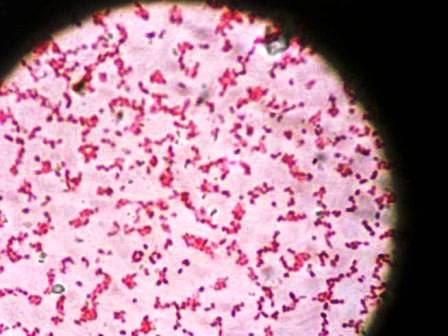
It was a great privilege to speak at the HIS / IPS Spring Meeting today. You can download my slides here. The meeting was entitled: “What’s that coming over the hill? Rising to the challenge of multi-resistant Gram-negative rods”. This, I think, is an (oblique) reference to the signature hit of a Welsh band ‘The Automatic’: “What’s that coming over the hill? Is it a monster?”. So, are multi-resistant Gram-negative rods monsters lurking underneath the bed? Dr Tom Frieden, CDC Director, has described CRE as “nightmare bacteria” and Dr Sally Davies, CMO, has painted a bleak post-antibiotic era picture in reference to the emergence of these bacteria. So, is it a monster? Yes, I think it probably is. But all monsters are not created equal…

My exploration of the differences in the epidemiology of resistant Enterobacteriaceae and non-fermenters (mainly A. baumannii) was designed to prompt anybody tempted to conflate these two related problems to think twice. Resistant Enterobacteriaceae and non-fermenters do share the same response to the Gram-stain and can be resistant to key antibiotics occasionally through shared mechanisms (principally the carbapenemases). But that’s about it. Otherwise they’re like chalk and cheese. (A. baumannii = chalk, which turns to dust; Enterobacteriaeae = a good cheese, which ultimately ends up in the gut.) (Table).

Table: Comparing the epidemiology of resistant Enterobacteriaceae and non-fermenters. 

Enterobacteriaceae (K. pneumoniae) Non-fermenters (A. baumannii)
At-risk population Primarily acute pts ICU, burns
Risk factors Travel Trauma, ICU stay
Epidemic potential High Low
Clinical UTI VAP
Mortality Stark increase (CPE) Minimal increase
Prevalence Emerging (rapidly) Patchy but stable
Sites of colonisation GI tract Skin, resp & GI
Colonization duration Months to >1 year Days to weeks
Transmission routes Hands ++, Env +/- Hands +, Env ++
Resistance Mainly acquired Intrinsic & acquired
Common clones KPC-producing ST258 Intl clones I-III

Probably the most important difference between the Enterobacteriaceae and the non-fermenters is their at-risk populations. A. baumannii is restricted mainly to high-risk patients in intensive care units. This is not so for the resistant Enterobacteriaceae, which have the potential to cause infection and colonization in a wide group of hospitalized patients and, perish the thought, the community. Related to this is their epidemic potential: resistant Enterobacteriaceae, including CRE, have already demonstrated the capacity to spread rapidly and broadly in hospital and to a lesser extent community populations. Rates of antibiotic resistance in A. baumannii can be high, but it does not possess the tools to spread outside of high-risk hospitalized patients.

Other differences between these two groups of resistant Gram-negative bacteria include the types of infection they cause and associated attributable mortality, their prevalence, their sites and duration of colonization, their transmission routes, their resistance mechanisms and their population structure and clonal dissemination patterns (Table).

One of the many acronyms in current circulation to describe resistant Gram-negatives is CRO (carbapenem-resistant organisms), which is used as a catch-all term to encompass both Enterobacteriaceae and non-fermenters. Given the fundamental differences in epidemiology, I don’t think it’s very helpful. After all, MRSA is a ‘CRO’ but we wouldn’t dream of lumping it together with K. pneumoniae or A. baumannii! So, we should expunge ’CRO’ from our collective vernacular and stick to CRE and CRAB.

I accept that there are limitations with my presentation. You could (and probably should) further dissect the epidemiology of K. pneumoniae vs. E. coli, A. baumannii vs. P. aeruginosa, and ESBL vs. carbapenemase producers. I suspect we will eventually have data to demonstrate different clinical manifestations associated with the various common carbapenemase genes.

That said, I think a separation of the resistant Enterobacteriaceae and non-fermenters is a useful distinction in terms of at-risk populations, epidemic potential, and effective control measures.

Finally, my preparation for the talk raised several challenging questions:

  • Which interventions work?
  • Are they different for Enterobacteriaceae and non-fermenters? (Probably, given their epidemiology.)
  • Has our focus on CPE taken our eye off CPNF, which are the ‘clear and present danger’ for many of us?
  • What is the prevalence of CPE in the UK?
  • How much do we believe a single negative screen?
  • Do we need rapid molecular diagnostics?
  • What is the duration of colonisation?
  • Are there decolonisation strategies other than “selective” decontamination using antibiotics?

Image credit: ‘Chalk and Cheese’ by Jackson Boyle.