Selective Digestive Decontamination (SDD) is dead; long live faecal microbiota transplantation (FMT)

crapsules

Ok, so the title may be a little premature, since this blog relates to a study with a sample size of exactly one. However, I do think it spells the beginning of the end for Selective Digestive Decontamination (SDD), especially when applied to suppress gut colonization with antibiotic-resistant bacteria.

A number of groups have looked at using SDD to ‘decolonise’ carriers of multidrug-resistant Gram-negative bacteria such as CRE. In one study, 20 CRE colonized patients in each arm given gentamicin + polymyxin (SDD arm) or placebo (Control arm). The results were rather modest (see chart below). Plus, SDD has substantial downsides in terms of the potential for developing further antibiotic resistance, and ‘collateral’ damage to the gut microbiota.

Figure: Modest impact of SDD to ‘decolonise’ the gastrointestinal tract of CRE carriers.

Saide-Oldes CRE decol

I’ve been waiting for some data on the effectiveness of faecal microbiota transplantation (FMT) to decolonise carriers of antibiotic resistant bacteria for some time. A case report at ID Week related how the ordeal of a 13 year old girl was ended by a faecal microbiota transplantation. After months of persistent colonization and infection, the impact of a single dose of FMT was startling: CRE carriage was eliminated and there was no further bacterial infection.

One of the push-backs against using FMT more regularly is that it’s a crude (in every sense) and labour-intensive procedure compared with an antibiotic capsule. But that was before the invention of ‘crapsules’ (aka oral FMT). Another ID Week abstract reports the successful delivery of oral FMT using crapsules. (And it’s amazing what great dinner party conversation ‘crapsules’ makes. Try it – you’ll see.)

So, I think it’s time for a cluster randomized trial to compare the impact of SDD and FMT; my money is on FMT!

Image: Barbara Krawcowicz.

Tending the human microbiome

Atomic antibiotics

This isn’t hot off the press (a 2012 review article by Tosh & McDonald) but it’s probably more important now than when first published, given our rapid advances in understanding of the importance of the microbiome in human health over the last year or two.

A couple of clear principles emerge from the review:

  • A happy, healthy human microbiome is characterized by diversity (both in terms of number of different species, and diversity within the species), and composed mainly of bacteria that we’re not familiar with – Fermicutes and Bacteroidetes).
  • Antibiotics have a profound and sustained effect on the human microbiome (even those that are typically associated with no or few side effects). This results in a reduction in both diversity and change in composition, which is bad news for human health. In particular, this leave the gut more open to colonization with unwanted intruders aka antibiotic resistant bacteria.

The future of anti-infective therapy according to Tosh and McDonald is in:

(1)     Developing and using more microbiome-sparing antimicrobial therapy. The idea of ‘selective digestive decontamination’ flies in the face of this objective.

(2)     Developing techniques to maintain and restore indigenous microbiota. A lot of progress has been made here, for example, in the case of faecal microbiota transplantation (FMT) for the treatment of recurrent CDI.

(3)     Discovering and exploiting host protective mechanisms normally afforded by an intact microbiome.

Rather than obliterate our microbiome with overuse of antibiotic “Atomic bombs”, we need to carefully tend individual and collective microbiomes in order to make them resistant to the increasing queue of antibiotic resistant colonizers!

Article citation: Tosh PK, McDonald LC. Infection control in the multidrug-resistant era: tending the human microbiome. Clin Infect Dis 2012;54:707-713.

Image credit: Modified from ‘Mushroom cloud‘.

What works to control antibiotic-resistant bacteria in the ICU? A two-for-the-price-of-one study

Not content with a single well-planned study to provide information on what works to control multidrug-resistant organisms (MDROs) in the ICU, the MOSAR study group published an interrupted time series and a cluster randomized trial of various interventions in the Lancet ID. This makes the study rather complex to read and follow, but there are a number of important findings.

Interrupted time series – ‘hygiene’ intervention (chlorhexidine and hand hygiene)

Following a 6-month pre-intervention period, a 6-month interrupted time series of a ‘hygiene’ intervention (universal chlorhexidine bathing combined with hand-hygiene improvement) was performed. The key outcomes were twofold: whether there was a change in trend during each phase, and whether there was a step-change between the phases. The hygiene intervention effected a trend change reduction in all MDROs combined and MRSA individually, but not in VRE or ESBLs (Table). However, there was no step-change compared with the baseline period.

Table: Summary of reduced acquisition of all MDROs combined, or MRSA, VRE and ESBLs individually.

Derde table

Cluster RCT – screening and isolation

In the 12-month cluster RCT of screening and isolation, the 13 ICUs in 8 European countries were randomized to either rapid screening (PCR for MRSA and VRE plus chromogenic media for ESBL-Enterobacteriaceae) or conventional screening (chromogenic media for MRSA and VRE only). When analysed together, the introduction of rapid or conventional screening was not associated with a trend or step-change reduction in the acquisition of MDROs (Table).  In fact, there was an increase in the trend of MRSA acquisition. When comparing rapid with conventional screening, rapid screening was associated with a step-change increase in all MDROs and ESBLs.

Discussion

  • The study suggests, prima facie, not to bother with screening and isolation. Indeed, the authors conclude: “In the context of a sustained high level of compliance to hand hygiene and chlorhexidine bathing, screening and isolation of carriers do not reduce acquisition rates of multidrug-resistant bacteria, whether or not screening is done with rapid testing or conventional testing”. However, the major limitation here is that many of the ICUs were already doing screening and isolation during the baseline and hygiene intervention phases! I checked the manuscript carefully (including the supplemental material) to determine exactly how many units were, but it is not disclosed. To make this conclusion, surely the cluster RCT should have been ‘no screening and isolation’ vs. ‘screening and isolation’.
  • The increasing trend of MRSA associated with screening and isolation by either method, and step-change increases in all MDROs and ESBLs associated with rapid screening are difficult to interpret. Is an increase in acquisition due to screening and isolation plausible? Can more rapid detection of carriers really increase transmission (the turnaround time was 24 hours for rapid screening, and 48 hours for chromogenic screening)? The rapid screening arm also included chromogenic screening for ESBLs, whereas the conventional screening arm did not, so perhaps this apparent increase in acquisition is due to improved case ascertainment somehow?
  • Looking at the supplemental material, a single hospital seemed to contribute the majority of MRSA, with an increasing trend in the baseline period, and a sharp decrease during the hygiene intervention. There’s a suspicion, therefore, that an outbreak in a single ICU influenced the whole study in terms of MRSA. Similarly, a single hospital had a sharp increase in the ESBL rate throughout the screening intervention period, which may explain, to a degree, the increasing trend of ESBL in the rapid screening arm.
  • There was an evaluation of length of stay throughout the study phases, with a significant decrease during the hygiene intervention (26%), a significant increase during the rapid screening intervention, and no significant change during the conventional screening intervention. It seems likely that improved sensitivity of rapid screening identified more colonized patients who are more difficult to step down, resulting in an overall increase in length of stay.
  • The carriage of qacA and qacB was compared in the baseline and hygiene intervention phase, finding no difference in carriage rate (around 10% for both). This does not match our experience in London, where carriage rates of qacA increased when we introduced universal chlorhexidine bathing. However, this was restricted to a single clone; the acquisition of genes associated with reduced susceptibility to chlorhexidine seems to be clone-specific.
  • ICUs varied from open plan to 100% single rooms. Whilst the average proportion of patients in single rooms (15-22%) exceeded the average requirement of patients requiring isolation (around 10%), there was no measure of unit-level variation of single room usage. Since the study was analysed by cluster, the lack of single rooms on some units could have been more important than would appear from looking at the overall average. Put another way, a 100% open plan unit would have been forced to isolate all carriers on the open bay, and vice versa for a 100% single room unit.
  • The impact of the various interventions was moderate, even though a ‘high’ MRDO rate was necessary for enrollment (MRSA bacteraemia rate >10%, VRE bacteraemia rate >5%, or ESBL bacteraemia rate >10%). Would the impact of screening and isolation be different on a unit with a lower rate of MDROs? It’s difficult to tell.
  • Some of the microbiology is quite interesting: 8% of MRSA were not MRSA and 49% of VRE were not VRE! Also, 29% of the ESBLs were resistant to carbapenems (although it’s not clear how many of these were carbapenemase producers).

In summary, this is an excellent and ambitious study. The lack of impact on ESBL transmission in particular is disappointing, and may lead towards more frequent endogenous transmission for this group. The results do indicate screening and isolation did little to control MDRO transmission in units with improved hand hygiene combined with universal chlorhexidine. However, we need a ‘no screening and isolation’ vs. ‘screening and isolation’ cluster RCT before we ditch screening and isolation.

Article citation: Derde LP, Cooper BS, Goossens H et al. Interventions to reduce colonisation and transmission of antimicrobial-resistant bacteria in intensive care units: an interrupted time series study and cluster randomised trial. Lancet Infect Dis 2014; 14: 31-39.

Perspective from ECCMID Part IV: We need to stop polluting our planet with antibiotics

Effluent

Professor Joakim Larsson gave a frankly chilling lecture on antibiotic pollution and its impact on the environmental resistome. Antibiotic resistance genes are fairly common in soil bacteria, and indeed, pre-date the use of antibiotics. Furthermore, the reservoir of resistance genes in soil bacteria seems to have increased since the 1940s when we began using antibiotics. This creates a huge reservoir of resistance determinants to the tune of some 1030 bacteria, an unimaginably massive number that we can only begin to understand through analogy. Fortunately, there is not a free flow of antibiotic resistance genes from environmental to hospital bacteria. However, where there’s close contact and selective pressure, transfer of resistance genes from environmental bacteria to hospital pathogens does occur. Prof Larsson introduced the idea of ‘minimal selective concentration (MSC)’, the cost-benefit equation for bacteria carrying antibiotic resistance genes.

This problem is driven by the appropriate and inappropriate use of antibiotics in human medicine, agriculture and aquaculture. Indeed, we all know about the high rates of NDM-1 in the New Delhi water supply; the modern day John Snow’s water pump handle (although the solution is not as obvious)? Another important driver is antibiotic contaminated effluent from pharmaceutical factories producing antibiotics. A large amount of pharmaceutical production of antibiotics occurs in emerging markets, such as India. There are tight regulations on what factories are allowed to release into their surrounding environment in many countries, but some are largely unregulated. One plant in India released phenomenal amounts of one particular antibiotic, ciprofloxacin, in waste water: 44kg per day. To put this in context, that’s almost 5x the amount of the same antibiotic consumed by the whole of Sweden per day, and the concentration of the antibiotic in the waste water was higher than therapeutic levels of the drug in humans! Unsurprisingly, this provides a strong selective pressure for the development of antibiotic resistance in the bacteria surrounding the factories. There are special treatments available to reduce or eliminate antibiotic contamination of factory waste (e.g. active carbon filtration or ozone treatment). But incentives are required to ensure that these technologies are implemented in the resource-limited settings where the factories are based.

Prof Larsson is planning some research to help to understand the relationship between environmental bacteria and hospital pathogens, for example, through his ‘NoCURE’ (Novel Carbapenemases – UnRaveling the Environmental reservoir) project, and the BacMet database for registering biocide and metal resistance genes, which are both worth checking out. As we come towards the end of antibiotics, the last thing we need to be doing is polluting our planet with antibiotics, which provides a selective pressure for the development of resistant bacteria, some of which will find their way into hospitals sooner or later.

You can view some other ‘Perspectives from ECCMID’ here.

Image: ‘Effluent tank’ by Bob Shand.

Perspective from ECCMID 2014 Part I: a voice against ‘selective’ digestive decontamination (SDD)

eccmid 2014

I enjoyed this year’s ECCMID in Barcelona very much, and came away feeling scientifically, culturally and culinarily enriched! Many thanks to the organizers for such a broad and interesting programme. One of the most interesting sessions was the very final session, on controlling MDROs in the ICU. The session boiled down to the pros and cons of three approaches to decolonization: selective digestive decontamination (SDD), mupirocin for MRSA nasal decolonization, and chlorhexidine gluconate (CHG) bathing. The faculty of Dr Brun-Buisson, Dr Harbarth, Dr Bonten and Dr Huang made it an engaging session.

Selective digestive decontamination (SDD)

The problem is antibiotic resistant bacteria, particularly in the ICU. Is the solution really indiscriminate use of antibiotics to temporarily suppress the load of antibiotic resistant bacteria in the gut? It doesn’t make a lot of sense to me either.

Selective oral decontamination (SOD) or selective digestive decontamination (SDD) is not a new concept, and has been around for some 45 years. Only recently have impressive studies emerged demonstrating that SDD and, to a lesser extent, SOD suppress the load of antibiotic resistant bacteria in the gut, reduce mortality and reduce transmission (de Jonge, de Smet and Daneman). But it’s not without collatoral:

  • The use of antibiotics leads to antibiotic resistance, sooner or later. A number of studies suggest that SD is not associated with an increased overall prevalence of resistant bacteria (not least the impressive Daneman review). Indeed, one study showed that rates of resistance actually decreased on units using SD. However, these studies conflate the potential for reducing transmission (and hence reducing unit-level prevalence) with the risk of selecting resistant sub-populations, which both seem likely. One particular concern is the emerging data that SDD drives colistin resistance. Are we playing with fire by overusing our drug of last resort? Furthermore, the abundance of key antibiotic resistance genes doubled on units using SDD when using a microbiotic approach in a recent study.
  • Speaking of the microbiome, another speaker described antibiotics as a ‘microbiome-busing atomic bomb’, so perhaps we should rename SDD as ‘scorched earth decontamination’ (SED)! The importance of a happy, healthy microbiota is beginning to dawn on us. We need to make friends with our microbiome, not obliterate it with unindicated antibiotics.
  • The impressive studies showing the value of SDD have been performed in the Netherlands, which has a low rate of antibiotic resistance. Will SDD be as effective elsewhere, where the background rates of antibiotic resistance are higher? Indeed, the Daneman study showed a notable (although no statistically significant) increase in the prevalence of MRSA on units using SDD. Is this a case of ‘squeezing the MDRO balloon’?
  • SDD temporarily suppresses gut colonization with multidrug-resistant Gram-negative rods but rarely decolonizes permanently. From an infection control viewpoint, it should not change the ‘once positive, always postive’ status quo for resistant Enterobacteriaceae.

I appreciate that I’m presenting a polarized and rather one-side case against SDD here. But for me, whether SDD works is the wrong question: is it the right thing to do? If (perish the thought) I’m a patient in the ICU, then SDD works for me. However, if I’m working on an ICU in 2024 wondering what to do with a pan-drug resistant Gram-negative bacterium, SDD (in 2014) doesn’t work for me.

Mupirocin

Dr Huang presented the key findings from her impressive study of universal CHG combined with MUP. Mupirocin resistance in S. aureus can be low-level mutational) or high-level (acquisition of the Mup resistance genes). The use of MUP has been associated with the development of both high- and low- level resistance. Indeed, several updates from ECCMID show this. For example, Dr Sarah Deeny’s poster showed that low-level resistance appeared to develop during hospitalization. Plus, a study from our group showing that detection of phenotypic high- or low-level mupirocin resistance only represents three quarters of the picture, since carriage of mupirocin resistance determinants remains “silent” 25% of the time.

So, the key question hanging over Dr Huang’s study is the value of universal MUP over and above universal use of CHG. Dr Huang presented an excellent analysis table on this point, which I’ve reproduced below:

Table: Weighing the pros and cons of universal mupirocin use (reproduced with permission from Dr Huang).Huang ECCMID table

One of Dr Huang’s most powerful arguments was that the burden of mupirocin use is in decolonizing a large number of patients prior to elective surgery. Ergo, if you’re going to save MUP, then save it for the highest risk patients (e.g. ICU patients). However, the counter here is that local use of MUP is likely to drive local MUP resistance on the ICU. So, I still feel that we should not recommend the universal use of MUP.

Chlorhexidine

Dr Bonden, Dr Huang and Dr Harbarth reviewed the impressive studies that CHG bathing provides strong protective effects against a range of MDROs (for example Climo, Milstone and Vernon studies). These studies are not without their critics – some say that the effect on reducing relatively benign coagulase-negative staphylococci BSI amplifies the overall effect. However, both the data and rationale are stong: if you reduce the amount of MDRO on the patients’ skin (‘source control’), you reduce the chances of endogeneous infection, and transmission to others. Unlike antibiotics, CHG is a biocide with a less specific molecular target, which makes resistance more challenging from a bacterial viewpoint. However, reduced susceptibility to chlorhexidine must be monitored carefully. A number of studies have hinted that reduced susceptibility to chlorhexide may be an emerging problem, (for example Batra, Otter and Lee.) But increases in bacterial MICs (for Gram-positive bacteria at least) appear to be a long way below the applied concentration. However, it’s worth noting that the measured CHG skin concentration in one study (15-312 mg/L before the daily bath and 78-1250 mg/L after the daily bath) was much lower than the applied CHG concentration (10,000 mg/L). This is around the CHG MIC for some Gram-negatives and potentially brings the subtly reduced susceptibility to CHG reported in MRSA into play. On balance though, the rationale and data on reduced susceptibility are cautionary but not enough to recommend against universal use in the ICU given the clinical upside.

Conclusion

What shoud be the standard of care for ICU patients? My current view is: universal CHG, targeted mupirocin for MRSA decolonization and absolutely no SDD!

Headlines from ECCMID

I’ll be posting some blogs on some of these topics over the coming days. You can view some other ‘Perspectives from ECCMID’ here.

  • We are still no closer to figuring out what works to control multidrug resistant Gram-negative rods (including CRE).
  • CDI does not seem to be emerging as a community pathogen, despite apparent increases.
  • Bacteriotherpy for synthetic faecal microbiota transplant (FMT, aka transpoosion) is getting close.
  • We need to stop polluting our plant by pumping antibiotics into our environment.
  • As one tweeter (@marina_manrique) put it, whole genome sequencing (WGS) has becoming a bit like the One Ring from Tolkein’s Lord of the Rings: ‘one ring to rule them all, one ring to bind them, one ring to bring them all, and in the outbreak find them (out – the other methods that is)’.

Picture credit: ‘Antibiotics’.

ICHE special edition on CRE and MDROs

CRE medium

Infection Control and Hospital Epidemiology have once again excelled themselves in putting together a fine special edition on CRE and MDROs. Around this time last year I posted an article on the ICHE special edition on the role of the environment, and this special edition is equally important. I strongly recommend that you read the special edition from cover to cover, but I’ve picked out a few of my personal highlights below:

  • A thoughtful editorial by Drs Lautenbach and Perencevich sets the scene. They reflect on our ‘woeful unpreparedness’ to address both current and future MDROs.
  • A number of articles provide updates on surveillance and prevalence. Brennan et al. report findings from a 6-month CRE point-prevalence survey based on voluntary reporting in the state of Michigan, finding a crude rate of 1.07 cases per 10,000 patient days. Interestingly, this rate was almost 3 cases per 10,000 patient days in long-term acute care facilities. Isolates were not collected and analyzed, so carbapenemase genes were not confirmed; the fact that close to 10% of isolates were susceptible to meropenem suggests that a good number of the CRE were not carbapenemase producers. Indeed, another state-level point-prevalence survey (Pfeiffer et al., from Oregon) found that only 3 of the 60 CRE isolates reported were carbapenemase producers. Another state-level survey of CRE (Johnson et al., from Michigan) identified regional clustering of CRE colonization of mechanically ventilated patients in the central region of the state.
  • Analysis through the SHEA Research Network found that contact isolation policies for multidrug-resistant Gram-negative rods (MDR-GNR) are surprisingly variable. Worryingly, almost 20% of facilities surveyed did not isolate patients infected or colonized with MDR Pseudomonas or Acinetobacter, and 6% do not isolate patients with CRE. Policies for de-escalation of contact precautions were equally variable. Contact isolation policies seem to be even more lax in long-term care facilities based on data from Pfeiffer et al., reporting that only half of patients colonized with MDROs are placed on contact precautions.
  • A number of studies evaluated risk factors for CRE. For example, Bhargava et al. identified high acute morbidity score, immunosuppression, presence of indwelling medical devices and prior antimicrobial exposures to be consistent risk factors for CRE in the various patient populations they evaluated.
  • A survey of the kitchen in a Swiss hospital identified ESBL-producing Enterobacteriaceae in 92% of raw chicken and 6% of rectal samples from food handlers.
  • The efficacy of chlorhexidine bathing for MDR-GNR has been questioned, so data from Lin et al. on this issue are particularly welcomed. In a study of 62 patients in a long-term acute care facility, daily chlorhexidine gluconate (CHG) bathing halved the chances of culturing CRE from the body sites analyzed. However, it’s worth noting that the measured CHG skin concentration (15-312 mg/L before the daily bath and 78-1250 mg/L after the daily bath) was much lower than the applied CHG concentration (10,000 mg/L). This potentially brings the subtly reduced susceptibility to CHG reported in MRSA into play.
  • Several studies evaluated the potential for environmental contamination with MDR-GNR. Rosa et al. found that exposure to surfaces contaminated with MDR A. baumannii increased the risk of acquisition by almost 3-fold. Although the design of the study was fundamentally different, it is interesting to note that the increased risk from admission to a room previously occupied by a patient with MDR A. baumannii was also around 3-fold in a previous study. Havill et al. reported that the survival time for CRE (including K. pneumoniae) on dry surfaces is measured in weeks not days. Rock et al. carefully observed 220 unique interactions between healthcare workers (HCW) and patients with KPC or non-KPC producing K. pneumoniae, finding that HCW gloves or gowns became contaminated during 14% of the 220 interactions, and 26% of 43 environmental samples were positive. There was no significant difference between HCW or environmental contamination rates for KPC vs. non-KPC producing K. pneumoniae.
  • There was not much on therapy for CRE – perhaps because there is little to say for pan-drug resistant CRE! An article discussing the challenges of managing CRE infections by Drekonja et al. through surveying the CDC funded Emerging Infections Network highlighted the common problems due to toxicity from using “last-line” antimicrobials colistin and tigecycline.

It seems that the prevalence of CRE is patchy in the USA at present, and that long-term care, and long-term acute facilities are an integral part of the story. Given the limited evidence base, interventions need to cover all bases: active surveillance, rapid and accurate diagnostics, environmental (and perhaps food) hygiene, contact isolation and perhaps antiseptic decolonization, all combined with facility-wide education and communication initiatives. The most effective – and cost-effective – interventions to prevent and control the spread of CRE and other MDR-GNR are controversial so to this end I am looking forward to the SHEA ‘From MRSA to CRE: Controversies in MDROs’ and joint HIS / IPS ‘What’s that coming over the hill: rising to the challenge of resistant Gram-negative rods’ Spring meetings next month!

Photo credit: Enterobacter cloacae NDM-1 growing on Oxoid Brilliance CRE Agar by Nathan Reading.

A postcard from São Paulo, Brazil: thank goodness for the NHS

sao paulo traffic mediumI recently had the opportunity to spend a week in São Paulo, Brazil, to meet with some infection control and infectious diseases folks. I came away feeling pretty disturbed and very grateful for the NHS.

Brazil is a massive country, with almost 200m inhabitants. São Paulo is Brazil’s largest city, with more than 20m inhabitants making it the 7th largest city in the world. I have lived in London and close to New York, and spent quite some time in Tokyo but nothing comes close to the traffic in São Paulo. It took me 3 hours to travel the 30km from the airport to the hotel, not because it was the middle of the rush hour or because there was a problem, just because the volume of traffic is too big for the infrastructure to handle.

Brazil has around 7000 hospitals; 70% are private with a healthcare insurance system for those who can afford it. The public hospitals are the only option for those who cannot afford healthcare insurance. I visited a number of public and private hospitals and was struck by the following:

  • Rates of antibiotic resistance are eye-wateringly high. Around 40% of healthcare-associated Klebsiella pneuomoniae are carbapenem-resistant and of these, around 20% are colistin-resistant. More than 50% of K. pneumoniae produce ESBLs. The situation with Acinetobacter baumannii is even worse, with >80% resistant to carbapenems. Whilst there is usually some treatment option left, pan-drug resistant Gram-negative bacteria are a daily reality on the ICUs. To top it off, around 60% of S. aureus are MRSA, 80% of E. faecium are VRE and C. difficile is chronically under-reported due to lack of testing infrastructure and limited awareness about sending specimens. There’s an excellent 2011 review on antibiotic resistance in Brazil here, although a lot has happened since 2011.
  • The public hospitals are chronically overcrowded. This is best illustrated by a quick visit to the Emergency Department, where patients on stretchers line the corridors as far as the eye can see. These patients usually stay for days, not hours. The problem is so endemic that ICUs have been established in the ED. The wards are crowded too, with very small distances between beds. Plus, there are not enough staff to cover their beds, especially during nights and weekends. Following one meeting at a very large public hospital (2000 beds), we literally could not leave the building due to the sheer volume of patients trying to get in. Just like the roads, the volume of patients is too high for the infrastructure to handle.
  • The contrast between public and private hospitals is stark. Instead of being met by patients on stretchers when you arrive at public hospitals, you’re met by glass fronted healthcare insurance offices.

So, what can be done? The various strategies to curb the growing threat of antibiotic resistance are as relevant in Brazil as elsewhere: prevention is better than cure; reduce antibiotic use; improve accurate and timely diagnosis; perform surveillance for action; embrace novel solutions; highlight the financial burden; and develop new antibiotics. Some progress has been made, for example, antibiotics are no longer available without prescription over-the-counter. The commitment and enthusiasm of the infection control and infectious diseases folks that I have met here is inspiring. However, they are limited by poor healthcare infrastructure, virtually no investment in microbiology laboratory facilities, lack of national reporting, the widespread availability of poor-quality antibiotics and extensive use of antibiotics in the veterinary sector, which makes progress difficult.

Next time you have the misfortune of visiting an Accident & Emergency Department in an NHS hospital, rather than moan if you have to wait a few hours to access world-leading healthcare free at the point of care, instead be thankful for the NHS.

Photo credit: Fred Inklaar.

A postcard from Latin America; carnivals, tango and carbapenem resistance

postcard panama

Recently, I spent some time in Latin America, first in the “Tango” country, Argentina, attending the International Federation of Infection Control (IFIC) 2013 conference and then in Panama giving a talk at a symposium. Talking to doctors and other healthcare workers from across Latin America during these two events, it was clear that multidrug resistance, especially carbapenemase and ESBL production in Enterobacteriaceae and other Gram-negative bacteria, are major problems in the region.

This prompted me to review the status of carbapenem resistance among the major nosocomial Gram-negatives in Latin America and ESBL production in E. coli and Klebsiella. Unlike the US and Europe, data on antimicrobial resistance from Latin American countries is limited. Some Latin American countries, such as Argentina, Chile and Colombia, do possess a nationwide surveillance program for monitoring antimicrobial resistance. However, the data are rarely in the public domain. Other countries such as Brazil and Mexico don’t yet have such monitoring programs. This makes it difficult to estimate the accurate prevalence and burden of diseases caused by antimicrobial-resistant bacteria in this part of the world.

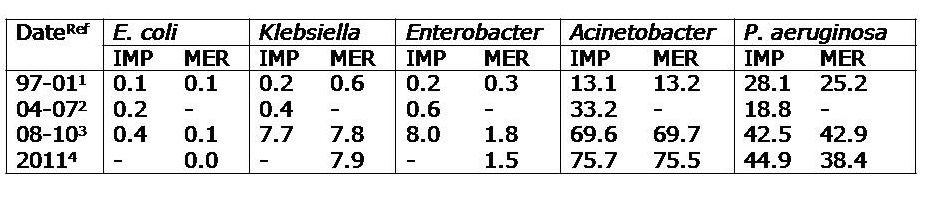
Thankfully, some data are flittering through from several national and international reports, including the SENTRY antimicrobial surveillance program (Table). SENTRY has been monitoring the predominant pathogens and antimicrobial resistance patterns of nosocomial and community-acquired infections via a broad network of sentinel hospitals since 1997 using validated, reference-quality identification and susceptibility testing methods performed in a central laboratory. Data from the SENTRY reports identify the five most frequently isolated Gram-negatives in Latin America as the Enterobacteriaceae (E. coli, Klebsiella and Enterobacter), P. aeruginosa and Acinetobacter.3

Table. Percentage of carbapenem resistance among the main nosocomial Gram-negatives in Latin America.CRE latinIMP; imipenem, MER; meropenem
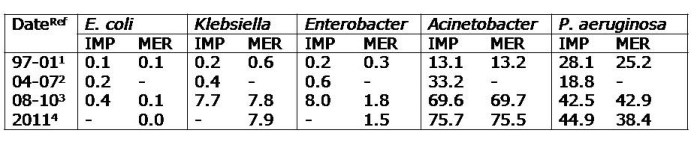
Resistance of these organisms to carbapenems has been increasing over the years, especially among Klebsiella, P. aeruginosa and Acinetobacter. The 1997-2001 SENTRY program reported on the antimicrobial resistance of 8,297 isolates of the 5 above organisms for 7 Latin American countries (Brazil, Argentina, Chile, Colombia, Mexico, Uruguay and Venezuela).1 The data found carbapenems to be effective against Enterobacteriaceae (<1% resistance level). Resistance among Acinetobacter and P. aeruginosa was around 13% and 26% respectively. In 2001, carbapenem resistance among the Enterobacteriaceae remained <1%, while resistance for Acinetobacter and P. aeruginosa rose to around 17% and 36% respectively.

The Tigecycline Evaluation and Surveillance Trial (TEST)2 reported  the antimicrobial resistance of bacteria from 33 centres in Latin America (Argentina, Brazil, Chile, Colombia, Guatemala, Honduras, Jamaica, Mexico, Panama, Puerto Rico and Venezuela) between 2004 and 2007, finding that imipenem-resistance among Enterobacteriaceae remained stable at <1%. However, resistance of Acinetobacter to imipenem increased to 33.2%.

The 2008-2010 SENTRY report from 10 Latin American medical centres located in Argentina, Brazil, Chile and Mexico, found a marked increase in imipenem and meropenem resistance among Klebsiella (7.7% and 7.8% respectively) and Enterobacter (8% and 1.8% respectively).3 KPC-2 was prevalent in Klebsiella but OXA-163, IMP and VIM were also detected. There was an important increase in KPC-2 producing K. pneumonia noted in Argentina and Brazil. Colistin resistance was highest among Klebsiella and Enterobacter with resistance rates of 3.1% and 17.6%, respectively. Nearly 70% of Acinetobacter were resistant to carbapenems and 1.2% were resistant to colistin. There was a marked increase in resistance in this organism particularly in Argentina and Brazil. OXA-23 and OXA-24were the most frequent OXA-carbapenemase genes detected. In P. aeruginosa, 42% of the isolates were resistant to carbapenems and 0.3% were resistant to colistin.

A recent article reported the antimicrobial resistance among 3,040 Gram negatives collected in 2011 from 11 countries in Latin America (Argentina, Brazil, Chile, Colombia, Costa Rica, Ecuador, Guatemala, Mexico, Panama, Peru and Venezuela).4 With the exception of Mexico (1.1%), all other countries had high rates of Carbapenem-Resistant Enterobacteriaceae (CRE) (10-20%). Panama, Colombia and Brazil had particularly high rates of 20%, 18.2% and 17.3% respectively. Resistance in Enterobacter was 2.9% with the highest rates in Colombia and Venezuela (10-12.5%). KPC-2 was identified in Brazil, Ecuador and Venezuela, KPC-3 in Colombia and Panama while NDM-1 was also found in Colombia.

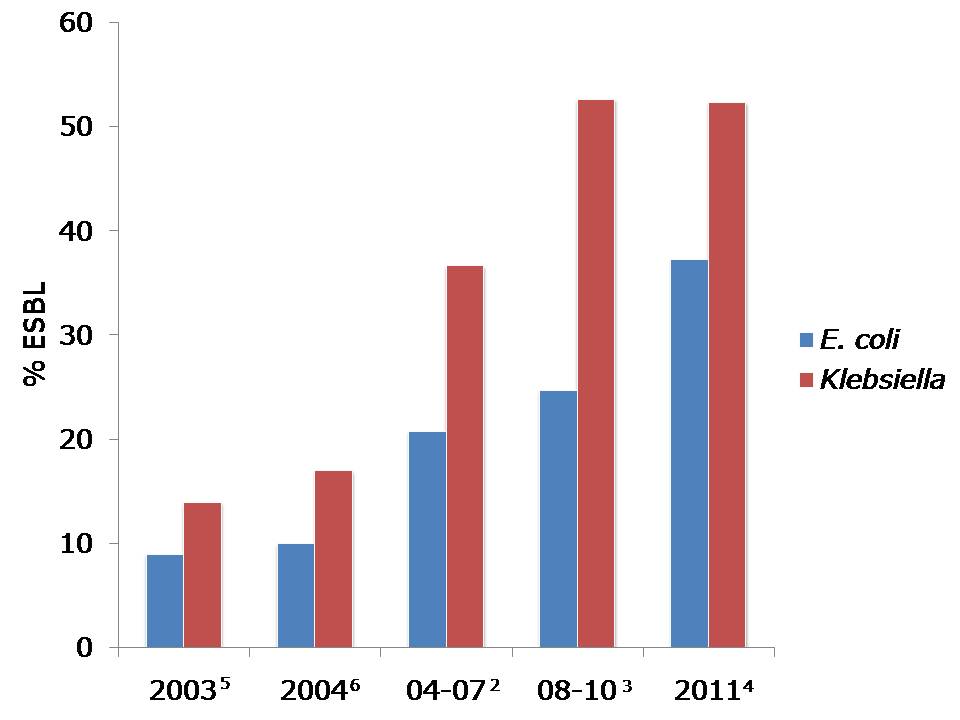
ESBL production by E. coli and Klebsiella isolated from Latin America is a well-recognized problem. The prevalence of ESBL-producers in Latin America has progressively increased over the years (Figure). The rates of these isolates in the region are now in excess of 50% in some regions.4 Peru, Guatemala and Chile have the highest ESBL-producing Klebsiella rates (70%, 69% and 59% respectively), while Mexico, Guatemala and Peru have the highest rates of ESBL-producing E. coli (71%, 59% and 54% respectively).

Latin americaFigure. Inexorable rise in rate of of ESBL-producing E. coli and Klebsiella in Latin America. 

It is clear that increasing antimicrobial resistance among Gram-negatives is a major problem in Latin America. The spread of carbapenem resistance is particularly troubling with increase prevalence of KPC and NDM carriage. Steps to reduce the transmission of these pathogens in Latin America require strategies at the institutional, community, national and international levels. For a start, it is important that true the prevalence rate of antimicrobial resistance among Gram-negatives in Latin America is determined at national levels with robust surveillance systems. Effective antibiotic stewardship and the control of inappropriate antibiotic use are important to slow the proliferation of resistant strains and should be targeted at both hospital and community levels. Strict infection control measures and targeted screening and isolation of patients with problematic strains should also help to slow the spread of resistant Gram-negatives in Latin America.

References

  1. Sader HS, Jones RN, Gales AC et al. SENTRY antimicrobial surveillance program report: Latin American and Brazilian results for 1997 through 200. Braz J Infect Dis 2004;8:25-79.
  2. Rossi F, García P, Ronzon B et al. Rates of antimicrobial resistance in Latin America (2004-2007) and in vitro activity of the glycylcycline tigecycline and of other antibiotics. Braz J Infect Dis 2008;12:405-15.
  3. Gales AC, Castanheira M, Jones RN, Sader HS. Antimicrobial resistance among Gram-negative bacilli isolated from Latin America: results from SENTRY Antimicrobial Surveillance Program (Latin America, 2008-2010). Diagn Microbiol Infect Dis 2012;73:354-60.
  4. Jones RN, Guzman-Blanco M, Gales AC et al. Susceptibility rates in Latin American nations: report from a regional resistance surveillance program (2011). Braz J Infect Dis 2013 Oct 10.
  5. Paterson DL, Rossi F, Baquero F et al. In vitro susceptibilities of aerobic and facultative Gram-negative bacilli isolated from patients with intra-abdominal infections worldwide: the 2003 Study for Monitoring Antimicrobial Resistance Trends (SMART). J Antimicrob Chemother 2005;55:965-73.
  6. Rossi F, Baquero F, Hsueh PR et al. In vitro susceptibilities of aerobic and facultatively anaerobic Gram-negative bacilli isolated from patients with intra-abdominal infections worldwide: 2004 results from SMART (Study for Monitoring Antimicrobial Resistance Trends). J Antimicrob Chemother 2006;58:205-10.

European Antibiotic Awareness Day: how do we get out of this mess?

eaad antibiotics

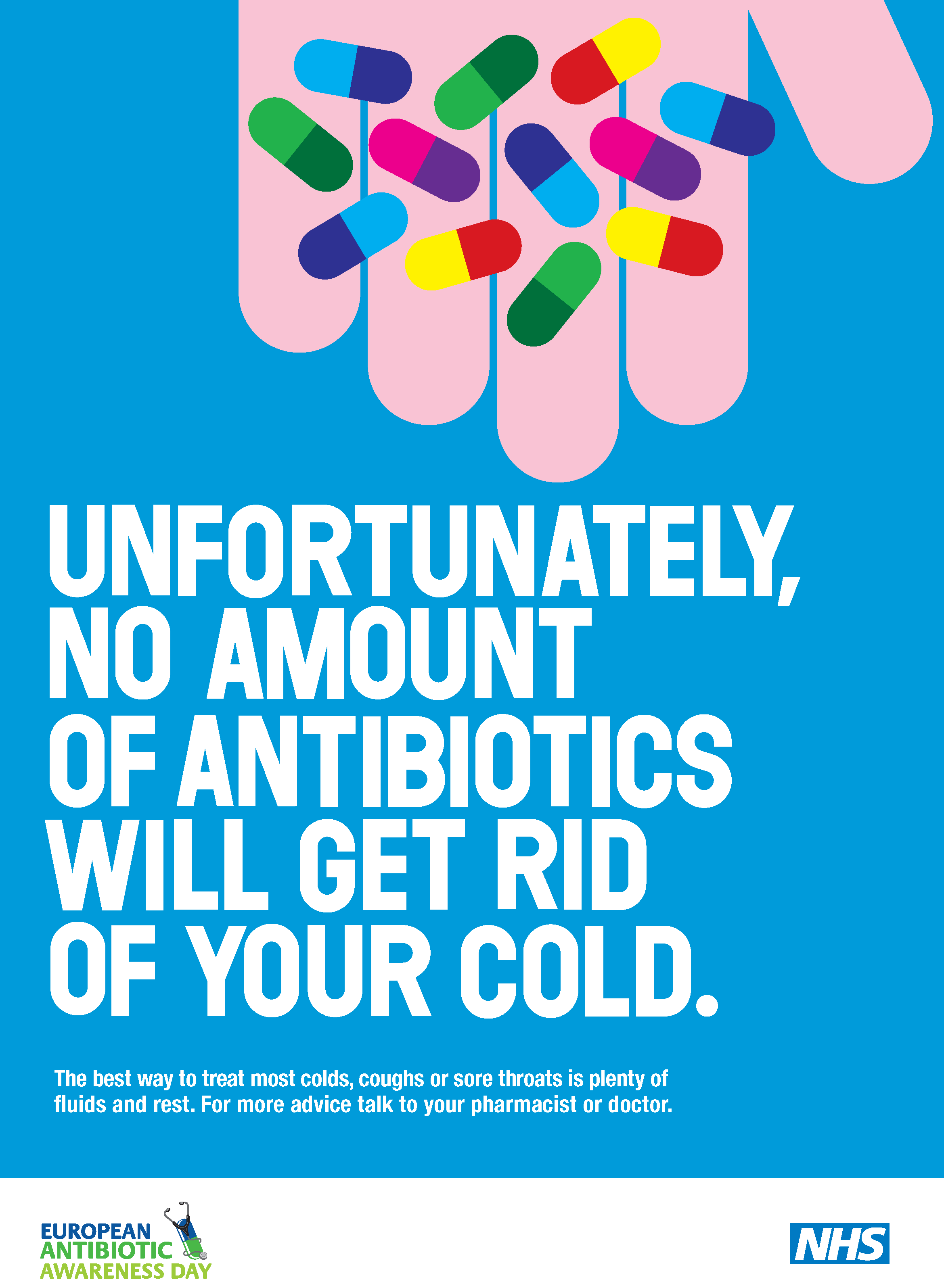
During Alexander Fleming’s Nobel Lecture on December 11th 1945 he said ‘It is not difficult to make microbes resistant to penicllin in the laboratory by exposing them to concentrations not sufficient to kill them, and the same thing has occasionally happened in the body.’  Almost 70 years later, we find ourselves towards the end of antibiotics. In honour of ‘European Antibiotic Awareness Day’, I thought I’d compare several attempts to outline approaches to curb antibiotic resistance:

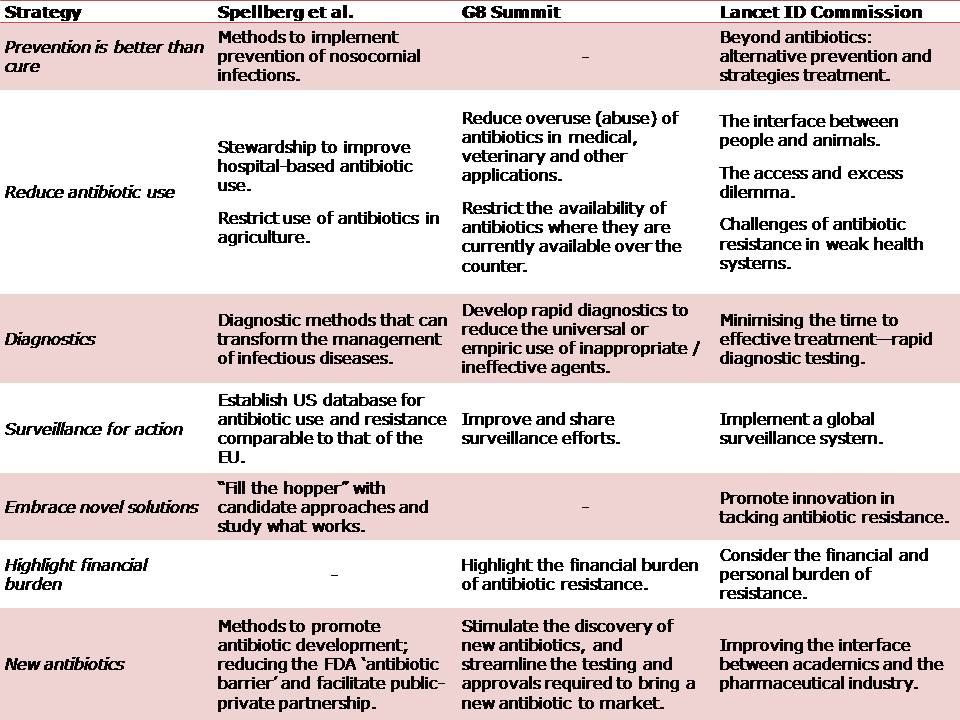
EAAD Table: Comparing strategies to curb antibiotic resistance.  

I’ve listed the common themes that emerged in my order of priority (see Table above):

  • Prevention is better than cure. We have a reasonably good understanding of what works to prevent the spread of many hospital pathogens, so we need to implement effective strategies. However, there are still important questions about what works to prevent transmission, particularly outside of hospitals, so this area should be prioritised for research. It seems to me there’s an imbalance in the Lancet ID Commission report between prevention and treatment, with a disappointing lack of focus on prevention.
  • Reduce antibiotic use. Stop selling antibiotics at the cost of Smarties. Otherwise they will be consumed like Smarties.
  • Improve diagnostics. Targeted use of the right antibiotic will help to reduce inappropriate and empiric antibiotic use. The proposed universal use of antibiotics does not fit well with this.
  • Implement effective surveillance for action. I very much like the idea of a global antibiotic resistance surveillance network proposed by the Lancet ID Commission, and, in the mean time, a US national ‘EARS-Net’-like network.
  • Embrace novel approaches. Table 1 in this open-access NEJM article outlines the key novel approaches available, and their current status in terms of research.
  • Highlight the financial burden of resistance. This comes low down the list for me, not because it’s unimportant, but because the burden of resistance is now pretty well characterised.
  • Facilitate the development of new antibiotics. Perhaps somewhat controversially, I’ve listed the development of new antibiotics at the bottom of the list. Most bacterial targets have now been covered and even if we do succeed in bringing truly novel antibiotics to market, resistance will emerge eventually.

The noises coming from the global opinion leading healthcare authorities, such as ECDC, CDC and national Departments of Health give me some confidence that the problem of antibiotic resistance is at least now firmly on the agenda. Furthermore, the fact that the solutions mooted by the G8 politicians align closely with those proposed by the expert academics is encouraging. However, the challenges of antibiotic resistance will only grow is left unchecked. We are facing a complex, multifaceted problems, which demands a complex, multifaceted solution. In the pre-antibiotic era, prevention was all we had and we may be there again before too long.

Prevalence survey illustrates the difference between CRE and CPE

I recently posted an article on the difference between CPE and CRE, which is neatly illustrated by a prevalence survey from Alder Hey Children’s Hospital in Liverpool. In case you didn’t read my CPE/CRE blog (shame on you), here’s a reminder of the difference between the two:

Carbapenem-resistant Enterobacteriaceae (CRE) – Enterobacteriaceae that are resistant to carbapenems by any mechanism, including the production of an acquired carbapenemase or the production of an ESBL or AmpC combined with porin loss.

Carbapenemase-producing Enterobacteriaceae (CPE) – Enterobacteriaceae that are resistant to carbapenems by means of an acquired carbapenemase.

At Alder Hey, a large children’s hospital in Liverpool, a prevalence survey was performed between September 2011 and August 2012. All clinical and screening specimens were included; rectal screens were collected on admission and weekly from all patients in the ICU and HDU. 24 patients with CRE were identified, five (21%) from clinical specimens and 19 (79%) from rectal screens. The prevalence of CRE in rectal screens was 4.5% (19/421). Four of the 19 patients identified by screening specimens only went on to develop an infection, so 9 (38%) of patients ended up with a CRE cultured from a clinical specimen.

The majority (71%) of the 24 isolates were resistant to carbapenems by AmpC or ESBL combined with impermeability; seven (29%) were CPE, 4 with NDM and three with KPC (Figure). Typing indicated that the 3/4 NDM producing Klebsiella pneumoniae isolates were clonal, and they were clustered in space and time, which may indicate a small outbreak.

CRE alder hey Figure. Composition of CRE at Alder Hey Children’s Hospital. 

Carbapenem-resistance due to the production of an ESBL or AmpC combined with porin loss may lead to treatment failure, but it is often unstable and may impose a fitness cost, meaning that these strains rarely spread. Hence, carbapenem resistance conferred by an acquired carbapenemases is the key problem. This study helps to define the prevalence of CRE (and, more importantly CPE) in the population. We are not given a denominator for the clinical specimens, so the prevalence of CRE amongst clinical specimens cannot be calculated. However, the fact that around 5% of patients admitted to ICU / HDU were carrying CRE is a concern, although the prevalence of CPE on the rectal screens was lower at 1.7% (7/421).

Currently, the prevalence and epidemiology of CRE and CPE is poorly defined in the UK so this useful prevalence survey from Alder Hey is welcome. However, we urgently need more research from other hospitals to scale the CRE problem.

Article citation: Drew et al. Emergence of carbapenem-resistant Enterobacteriaceae in a UK paediatric hospital. J Hosp Infect 2013;84:300-304.