How much Clostridium difficile infection is hospital-acquired?

B0006630 Clostridium difficile

This is a very impressive New England Journal of Medicine study from an Oxford University based group, using whole genome sequencing to really dissect relatedness of C. difficile isolates over a 5 year period. The study evaluates how many cases of C. difficile infection (CDI) were caused by isolates that were genetically related to previous symptomatic cases. This is not quite the same thing as evaluating how much CDI is hospital-acquired, mainly because the test used to detect CDI in the study has been phased out due to poor sensitivity, patients and staff were not screened for asymptomatic C. difficile carriage, and the environment was not sampled, so there was a large, unrecognized, hospital-based C. difficile reservoir from which horizontal transmission almost certainly occurred.

A major problem was the use of an Enzyme Immuno Assay (EIA) test kit to detect CDI. Whist these tests were used pretty much universally in the UK at the time of the study, they have now been shown to be very unsatisfactory. The sensitivity of EIA for the detection of CDI has been as low as 50% in some studies. Put another way, for every case of CDI that is detected, one goes undetected. This is crucially important in the context of this study, where the undetected CDI cases would contribute to the burden of asymptomatic carriers, which together would contribute to transmission. It’s also worth noting that C. difficile could not be cultured from 25% of stool samples that were EIA-positive, suggesting that the test may have had poor specificity too. The authors did try to ‘control’ for this problem, by effectively assuming that all stool specimens tested for CDI were positive in a sensitivity analysis, but this did not really help in explaining genetically related cases with no discernable epidemiological links.

There is also a technical point about the definition of ‘genetically distinct’ in terms of whole genome sequencing. If two isolates differ by 11 base pairs across the whole genome, do they originate from the same strain? It’s difficult to tell. In this study, they used a fairly conservative measure of relatedness: >10 single nucleotide variants (SNVs) was considered ‘genetically distinct’, and ≤2 SNVs was considered ‘genetically related’. This may have over-estimated apparent genetic heterogeneity. To be fair, the authors did perform a careful ‘validation’ study to determine the clock speed of mutation in their isolates by sequencing the first and list isolates obtained from a sample of patients, finding that 0-2 SNVs were expected for isolates <124 days apart. Even using these conservative measures of relatedness, the majority (55%) of isolates were related (‘not genetically distinct’ to be precise) to others in the collection (≤10 SNVs) and around a third of isolates were ‘genetically related’ to others in the collection (≤2 SNVs).

The authors performed detailed work to explore epidemiological associations between genetically related isolates (Figure). No acute- or community-based epidemiological links could be identified for 36% of the 333 genetically related cases, which perhaps supports the presence of unrecognized symptomatic cases or asymptomatic carriers.

CDI eyreFigure: Epidemiology relationships between 333 genetically related cases. ‘Ward contact’ = shared time on the same ward; ‘Hospital contact’ = shared time in the same hospital, without direct ward contact; ‘Ward contamination’ = admitted to the same ward within 28 days of the discharge of a symptomatic patient; ‘Same GP’ = no hospital contact, but shared the same GP; ‘Same postcode’ = no hospital contact, but shared the same postal code).

The overall rate of CDI was low, at <1 per 1000 patient days and it is noteworthy that the prevalence of genetically related and genetically distinct cases declined during the study period. I suspect if the same study had been performed for the period of 2000-2005, when more hospital transmission was almost certainly occurring, then a far higher proportion of isolates would have been genetically related.

I fear that this study will be used by some to ‘prove’ that horizontal transmission of C. difficile in healthcare settings is now uncommon, and most hospital-onset cases can be explained away by “CA-CDI”. Due to the poor sensitivity of the diagnostic kit combined with the likelihood of asymptomatic human carriage and environmental contamination, this study does not answer the question of how much CDI is hospital-acquired. It does, however, suggest that horizontal transmission from known symptomatic cases may be less common that we thought.

Article citation: Eyre DW, Cule ML, Wilson DJ et al. Diverse sources of C. difficile infection identified on whole-genome sequencing. N Engl J Med 2013; 369: 1195-1205.

Photo credit: Annie Cavanagh. Wellcome Images.

A postcard from Latin America; carnivals, tango and carbapenem resistance

postcard panama

Recently, I spent some time in Latin America, first in the “Tango” country, Argentina, attending the International Federation of Infection Control (IFIC) 2013 conference and then in Panama giving a talk at a symposium. Talking to doctors and other healthcare workers from across Latin America during these two events, it was clear that multidrug resistance, especially carbapenemase and ESBL production in Enterobacteriaceae and other Gram-negative bacteria, are major problems in the region.

This prompted me to review the status of carbapenem resistance among the major nosocomial Gram-negatives in Latin America and ESBL production in E. coli and Klebsiella. Unlike the US and Europe, data on antimicrobial resistance from Latin American countries is limited. Some Latin American countries, such as Argentina, Chile and Colombia, do possess a nationwide surveillance program for monitoring antimicrobial resistance. However, the data are rarely in the public domain. Other countries such as Brazil and Mexico don’t yet have such monitoring programs. This makes it difficult to estimate the accurate prevalence and burden of diseases caused by antimicrobial-resistant bacteria in this part of the world.

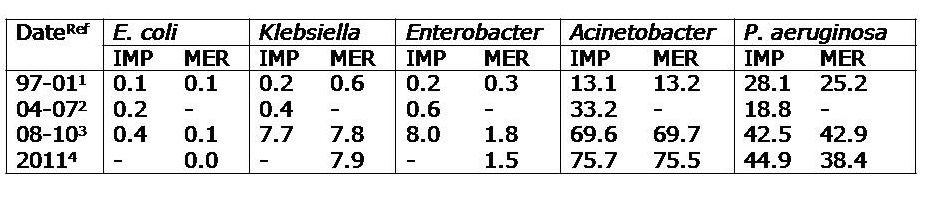
Thankfully, some data are flittering through from several national and international reports, including the SENTRY antimicrobial surveillance program (Table). SENTRY has been monitoring the predominant pathogens and antimicrobial resistance patterns of nosocomial and community-acquired infections via a broad network of sentinel hospitals since 1997 using validated, reference-quality identification and susceptibility testing methods performed in a central laboratory. Data from the SENTRY reports identify the five most frequently isolated Gram-negatives in Latin America as the Enterobacteriaceae (E. coli, Klebsiella and Enterobacter), P. aeruginosa and Acinetobacter.3

Table. Percentage of carbapenem resistance among the main nosocomial Gram-negatives in Latin America.CRE latinIMP; imipenem, MER; meropenem

Resistance of these organisms to carbapenems has been increasing over the years, especially among Klebsiella, P. aeruginosa and Acinetobacter. The 1997-2001 SENTRY program reported on the antimicrobial resistance of 8,297 isolates of the 5 above organisms for 7 Latin American countries (Brazil, Argentina, Chile, Colombia, Mexico, Uruguay and Venezuela).1 The data found carbapenems to be effective against Enterobacteriaceae (<1% resistance level). Resistance among Acinetobacter and P. aeruginosa was around 13% and 26% respectively. In 2001, carbapenem resistance among the Enterobacteriaceae remained <1%, while resistance for Acinetobacter and P. aeruginosa rose to around 17% and 36% respectively.

The Tigecycline Evaluation and Surveillance Trial (TEST)2 reported  the antimicrobial resistance of bacteria from 33 centres in Latin America (Argentina, Brazil, Chile, Colombia, Guatemala, Honduras, Jamaica, Mexico, Panama, Puerto Rico and Venezuela) between 2004 and 2007, finding that imipenem-resistance among Enterobacteriaceae remained stable at <1%. However, resistance of Acinetobacter to imipenem increased to 33.2%.

The 2008-2010 SENTRY report from 10 Latin American medical centres located in Argentina, Brazil, Chile and Mexico, found a marked increase in imipenem and meropenem resistance among Klebsiella (7.7% and 7.8% respectively) and Enterobacter (8% and 1.8% respectively).3 KPC-2 was prevalent in Klebsiella but OXA-163, IMP and VIM were also detected. There was an important increase in KPC-2 producing K. pneumonia noted in Argentina and Brazil. Colistin resistance was highest among Klebsiella and Enterobacter with resistance rates of 3.1% and 17.6%, respectively. Nearly 70% of Acinetobacter were resistant to carbapenems and 1.2% were resistant to colistin. There was a marked increase in resistance in this organism particularly in Argentina and Brazil. OXA-23 and OXA-24were the most frequent OXA-carbapenemase genes detected. In P. aeruginosa, 42% of the isolates were resistant to carbapenems and 0.3% were resistant to colistin.

A recent article reported the antimicrobial resistance among 3,040 Gram negatives collected in 2011 from 11 countries in Latin America (Argentina, Brazil, Chile, Colombia, Costa Rica, Ecuador, Guatemala, Mexico, Panama, Peru and Venezuela).4 With the exception of Mexico (1.1%), all other countries had high rates of Carbapenem-Resistant Enterobacteriaceae (CRE) (10-20%). Panama, Colombia and Brazil had particularly high rates of 20%, 18.2% and 17.3% respectively. Resistance in Enterobacter was 2.9% with the highest rates in Colombia and Venezuela (10-12.5%). KPC-2 was identified in Brazil, Ecuador and Venezuela, KPC-3 in Colombia and Panama while NDM-1 was also found in Colombia.

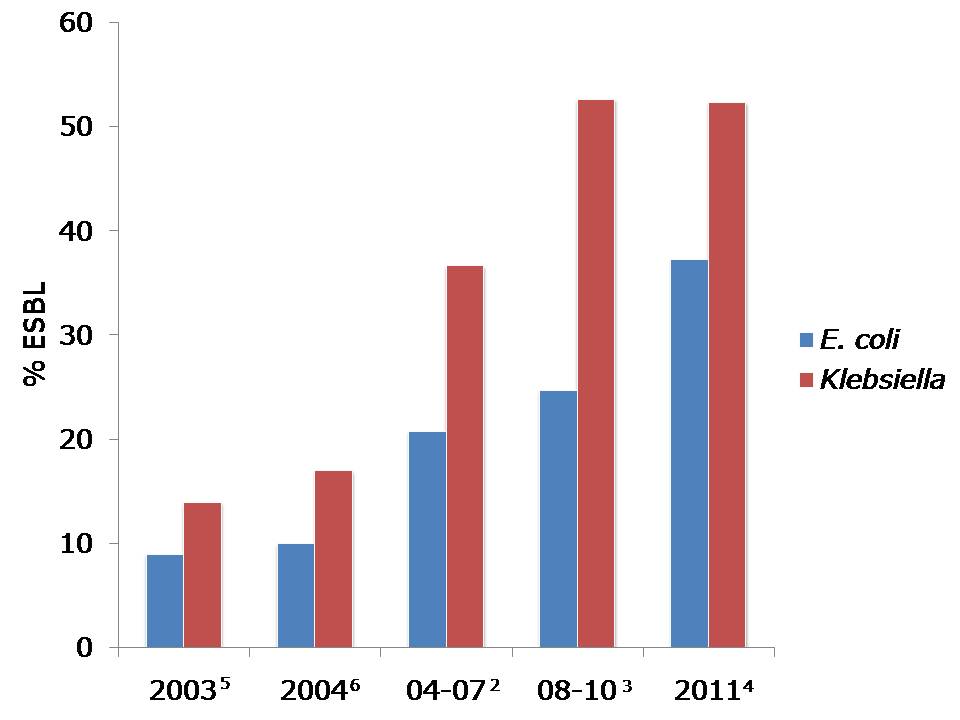
ESBL production by E. coli and Klebsiella isolated from Latin America is a well-recognized problem. The prevalence of ESBL-producers in Latin America has progressively increased over the years (Figure). The rates of these isolates in the region are now in excess of 50% in some regions.4 Peru, Guatemala and Chile have the highest ESBL-producing Klebsiella rates (70%, 69% and 59% respectively), while Mexico, Guatemala and Peru have the highest rates of ESBL-producing E. coli (71%, 59% and 54% respectively).

Latin americaFigure. Inexorable rise in rate of of ESBL-producing E. coli and Klebsiella in Latin America. 

It is clear that increasing antimicrobial resistance among Gram-negatives is a major problem in Latin America. The spread of carbapenem resistance is particularly troubling with increase prevalence of KPC and NDM carriage. Steps to reduce the transmission of these pathogens in Latin America require strategies at the institutional, community, national and international levels. For a start, it is important that true the prevalence rate of antimicrobial resistance among Gram-negatives in Latin America is determined at national levels with robust surveillance systems. Effective antibiotic stewardship and the control of inappropriate antibiotic use are important to slow the proliferation of resistant strains and should be targeted at both hospital and community levels. Strict infection control measures and targeted screening and isolation of patients with problematic strains should also help to slow the spread of resistant Gram-negatives in Latin America.

References

  1. Sader HS, Jones RN, Gales AC et al. SENTRY antimicrobial surveillance program report: Latin American and Brazilian results for 1997 through 200. Braz J Infect Dis 2004;8:25-79.
  2. Rossi F, García P, Ronzon B et al. Rates of antimicrobial resistance in Latin America (2004-2007) and in vitro activity of the glycylcycline tigecycline and of other antibiotics. Braz J Infect Dis 2008;12:405-15.
  3. Gales AC, Castanheira M, Jones RN, Sader HS. Antimicrobial resistance among Gram-negative bacilli isolated from Latin America: results from SENTRY Antimicrobial Surveillance Program (Latin America, 2008-2010). Diagn Microbiol Infect Dis 2012;73:354-60.
  4. Jones RN, Guzman-Blanco M, Gales AC et al. Susceptibility rates in Latin American nations: report from a regional resistance surveillance program (2011). Braz J Infect Dis 2013 Oct 10.
  5. Paterson DL, Rossi F, Baquero F et al. In vitro susceptibilities of aerobic and facultative Gram-negative bacilli isolated from patients with intra-abdominal infections worldwide: the 2003 Study for Monitoring Antimicrobial Resistance Trends (SMART). J Antimicrob Chemother 2005;55:965-73.
  6. Rossi F, Baquero F, Hsueh PR et al. In vitro susceptibilities of aerobic and facultatively anaerobic Gram-negative bacilli isolated from patients with intra-abdominal infections worldwide: 2004 results from SMART (Study for Monitoring Antimicrobial Resistance Trends). J Antimicrob Chemother 2006;58:205-10.

European Antibiotic Awareness Day: how do we get out of this mess?

eaad antibiotics

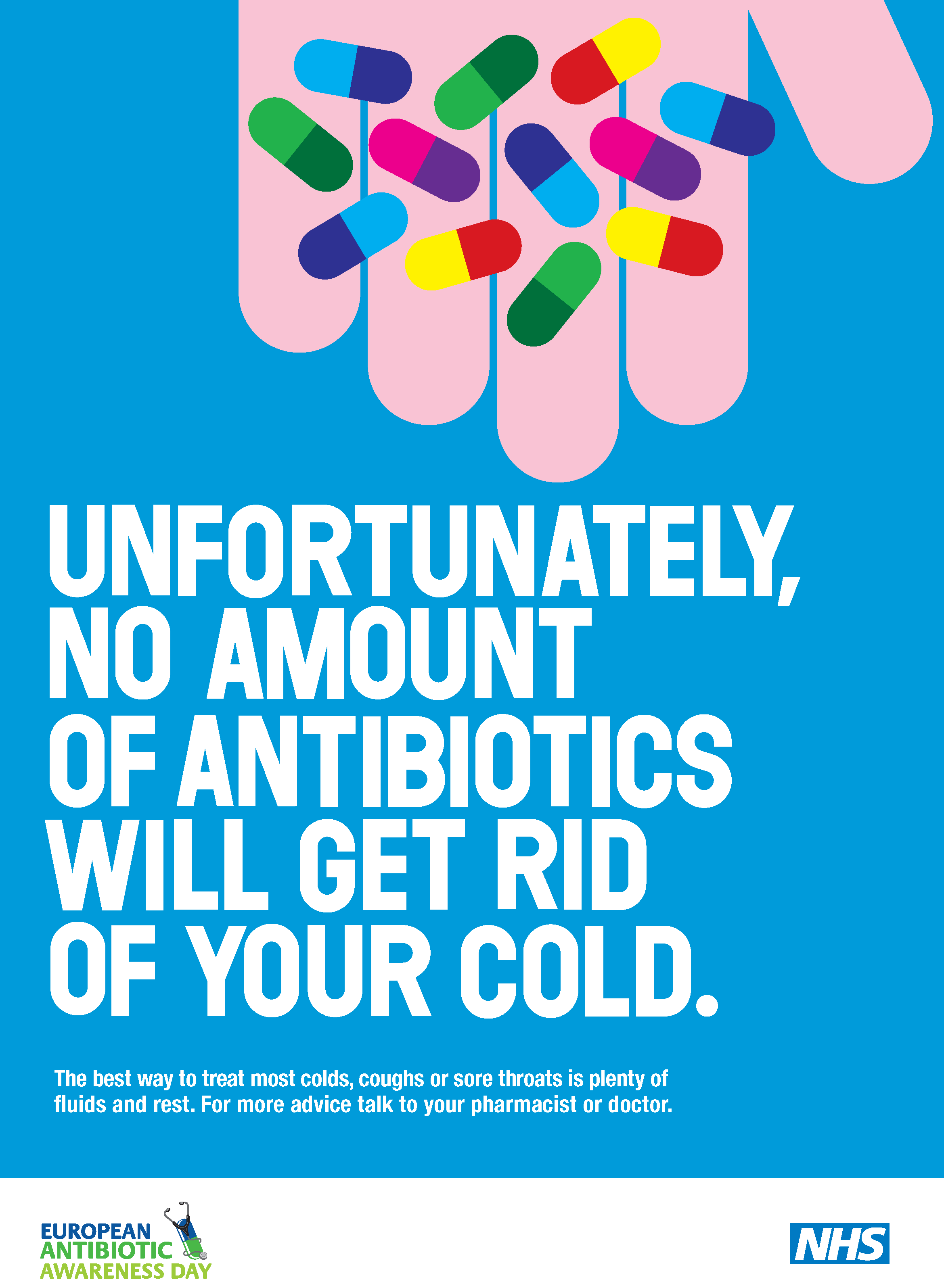
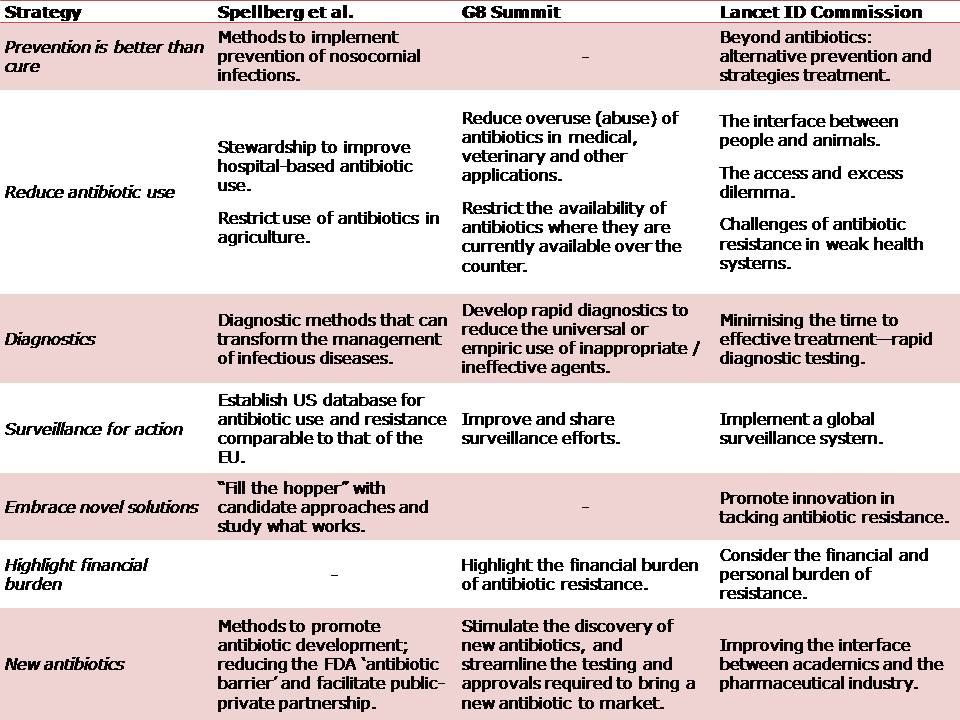
During Alexander Fleming’s Nobel Lecture on December 11th 1945 he said ‘It is not difficult to make microbes resistant to penicllin in the laboratory by exposing them to concentrations not sufficient to kill them, and the same thing has occasionally happened in the body.’  Almost 70 years later, we find ourselves towards the end of antibiotics. In honour of ‘European Antibiotic Awareness Day’, I thought I’d compare several attempts to outline approaches to curb antibiotic resistance:

EAAD Table: Comparing strategies to curb antibiotic resistance.  

I’ve listed the common themes that emerged in my order of priority (see Table above):

  • Prevention is better than cure. We have a reasonably good understanding of what works to prevent the spread of many hospital pathogens, so we need to implement effective strategies. However, there are still important questions about what works to prevent transmission, particularly outside of hospitals, so this area should be prioritised for research. It seems to me there’s an imbalance in the Lancet ID Commission report between prevention and treatment, with a disappointing lack of focus on prevention.
  • Reduce antibiotic use. Stop selling antibiotics at the cost of Smarties. Otherwise they will be consumed like Smarties.
  • Improve diagnostics. Targeted use of the right antibiotic will help to reduce inappropriate and empiric antibiotic use. The proposed universal use of antibiotics does not fit well with this.
  • Implement effective surveillance for action. I very much like the idea of a global antibiotic resistance surveillance network proposed by the Lancet ID Commission, and, in the mean time, a US national ‘EARS-Net’-like network.
  • Embrace novel approaches. Table 1 in this open-access NEJM article outlines the key novel approaches available, and their current status in terms of research.
  • Highlight the financial burden of resistance. This comes low down the list for me, not because it’s unimportant, but because the burden of resistance is now pretty well characterised.
  • Facilitate the development of new antibiotics. Perhaps somewhat controversially, I’ve listed the development of new antibiotics at the bottom of the list. Most bacterial targets have now been covered and even if we do succeed in bringing truly novel antibiotics to market, resistance will emerge eventually.

The noises coming from the global opinion leading healthcare authorities, such as ECDC, CDC and national Departments of Health give me some confidence that the problem of antibiotic resistance is at least now firmly on the agenda. Furthermore, the fact that the solutions mooted by the G8 politicians align closely with those proposed by the expert academics is encouraging. However, the challenges of antibiotic resistance will only grow is left unchecked. We are facing a complex, multifaceted problems, which demands a complex, multifaceted solution. In the pre-antibiotic era, prevention was all we had and we may be there again before too long.

A domestic outbreak of gastroenteritis

domesticEarlier this year, I wrote about an outbreak of norovirus in a US car dealership. There, the outbreak was traced to a toddler “spraying” norovirus around a public restroom and baby-changing station. Regrettably, I now have my own experience to relate.

Last Wednesday (let’s call it outbreak day 1), our 18-month old toddler “sprayed” projective vomit around our porch. My wife cleaned up the mess (not with dry paper towels, as in the US car dealership outbreak but with detergent and water). On outbreak day 3, 36 hours later, my wife presented (grumpily) with acute gastroenteritis. We made every effort to limit domestic horizontal transmission (including regular bleach disinfection of contact surfaces in the bathroom and cohorting of personal effects) but to no avail; a little over 24 hours later on outbreak day 4, I endured acute gastroenteritis.

What do we learn from this?

  • Transmission routes for viral gastroenteritis are very difficult to disentangle. It seems likely that my wife acquired norovirus whilst cleaning up the vomit, and I acquired norovirus from my wife somehow. Of course, this may not have been the case. My wife could have acquired the infective agent in a number of ways from our toddler. Also, I could have acquired it directly from our toddler and not my wife. Finally, a common source seems unlikely due to the ‘domino’ type progression, but cannot be discounted. If I can’t be sure of transmission routes amongst three people in a single household, how can we hope to understand transmission routes on a hospital ward or aboard a cruise ship
  • We are not sure what caused the outbreak. None of us were in the mood to submit a specimen during the outbreak and, even if we had bothered to collect one, how would we have got it analysed? Take it to the GP (bad idea) or hospital lab (even worse) or post it (unhappy mail carrier). Thus, our understanding of the prevalence and aetiology of gastroenteritis in the community is woefully lacking.
  • It’s been expensive. I was unable to travel to mainland Europe for an important meeting last week due to this outbreak, which has meant re-booking the trip at expensive short notice. Plus, I am still unable to go to work today (since I’m still within 48 hours of my symptoms). Whilst I am fortunate in that my work can be conducted from home, others are not so lucky. I suspect that the economic impact of viral gastroenteritis is hugely underestimated. In fact, I am not sure anybody has really tried to estimate it, let alone underestimate it, due to the lack of meaningful prevalence data.
  • Horizontal transmission is difficult to block. We took every precaution that we could think of to prevent horizontal transmission, without success. Part of the problem was that we did not recognise the outbreak immediately. This principle translates to preventing horizontal transmission in hospitals: the pre-diagnosis management of patients with diarrhoea and vomiting is crucial.
  • It’s very, very unpleasant. We are a young, (fairly) healthy family and each of us were laid out for 12 hours, and pretty useless for at least 24 hours. I can see how somebody who is already unwell and in hospital would be affected very badly indeed. I recommend that anybody who cares for patients in hospitals with acute gastroenteritis should be sure to try it themselves, in the interests of empathy.

Could we have done a better job of preventing the spread of this acute bout of gastroenteritis through the Otter household? Probably, through better outbreak identification and more stringent cohorting (perhaps with universal gowns and gloves, and liberal use of masks). But really, I’m just counting our blessings that we didn’t all get it at the same time.

High levels of antibiotic resistance and low levels of ‘antibiotic literacy’ in the general public are on a dangerous collision course

MRSAPhoto credit: CDC, Janice Haney Car.

Guest Blogger Dr. Rodney E. Rohde (bio below) writes: The U.S. Department of Health and Human Services (HHS) has identified the reduction of healthcare-associated infections (HAIs) as an Agency Priority Goal for the Department. HHS is committed to reducing the national rate of HAIs by demonstrating significant, quantitative, and measurable reductions in hospital-acquired central line-associated bloodstream infections and catheter-associated urinary tract infections (1). In this national context, recent data show that Americans visit the doctor approximately 12 million times each year to get checked for suspected staphylococci or MRSA skin infections. Estimates are that 1 of every 20 hospital inpatients will contract a HAI (2).  This is roughly 270 deaths per day by one estimate – think of an airplane disaster with no survivors every day as a comparison. It appears that more people in the US now die from MRSA, especially healthcare acquired, than from HIV/AIDS.

MRSA incidence and the low levels of literacy about antibiotic resistant infections in the general public are on a natural collision course. The health implications for society are startling and this brewing public health storm should be a wake-up call for all involved in the prevention and treatment of MRSA and other antibiotic resistant infections. Traditional medical approaches to infection control, antibiotic prescribing and usage, and how the healthcare practitioner relates to the public in general, and to individuals in particular, are no longer adequate in light of this growing healthcare emergency. It has been my experience that individuals who are diagnosed with MRSA infections (and other HAIs) need an informed healthcare professional to explain a number of complicated issues to them to help the individual understand the dangers of these nasty antibiotic resistant infections. This, in turn, will lead to greater acceptance and adoption of infection control and prevention.

For example, I conducted a study for my dissertation that details the experiences of ten participants who have been diagnosed with MRSA (3). Briefly, this study provides a new model of how a person with MRSA in the general public learns and adapts to the infection. Their experiences emerged to create critical implications for practice and research. Almost all individuals had important advice for professionals about the nature of a consistent message for an MRSA plan. The embedded features of this plan were that people make the difference in these life-changing diagnoses. Likewise, all participants echoed the need for consistency of MRSA information and a step-by-step plan to manage the condition. Particular attention should be paid to the following areas: (a) the patient-healthcare provider interaction, specifically to create an open and non-threatening environment for learning to occur, (b) the delivery of critical information about the importance of having an MRSA diagnosis based on laboratory culture and antibiotic susceptibility testing, (c) specific education on what a MRSA infection looks like, including images/pictures and MRSA stories for patients, (d) the use of podcasts, digital video, and other electronic media (e.g. Facebook) to provide patient education beyond the initial MRSA diagnosis, (e) specific education about infection care, control, and prevention to themselves and others, and (f) guidance for individuals about sources of information and the credibility of sources. In regard to the use of podcasts and other electronic media, the message should be formed with a combination of stories from MRSA survivors and healthcare professionals to build a strong, synergistic media tool.

The implications for practice and research based on the literature and results of this study indicate a need to address issues of how the general public discovers, learns, and adapts to antibiotic resistant infections, especially MRSA. Likewise, this study emphasizes the critical importance of informing healthcare professionals and health educators (e.g. universities, schools, and other related institutions) about the need for better programs of patient education and continuing education surrounding the pre and post diagnosis of MRSA infections.  The participants in this study all emphasized the critical nature of talking to others that had already experienced MRSA with respect to getting an insider’s perspective on lessons learned. Finally, the participants in this study appeared to utilize self-directed learning and, to a lesser extent, transformational learning to challenge the healthcare system in regards to what content they needed about MRSA and how they might best learn to understand the disease. It may be possible to build on this desire to impact the healthcare system by inviting individuals who have experiences with MRSA to join a healthcare associated advisory committee.

References

  1. US Department of Health and Human Services, Health Care-Associated Infections.
  2. Department of Health and Human Services. HHS Action Plan to Prevent HealthCare-Associated Infections: Roadmap to Elimination.US Department of Health and Human Services, Washington, DC, USA (2012).
  3. Rohde, R.E. & Ross-Gordon, Jovita. MRSA model of learning and adaptation: a qualitative study among the general public. BMC Health Services Research, 2012, 12:88.

Guest Blogger Bio

rohde

Dr. Rodney E. Rohde is a Professor, Research Dean and Program Chair of the Clinical Laboratory Science program in the College of Health Professions, at Texas State University.

Dr. Rohde’s background is in public health and clinical microbiology. He has a bachelor’s degree in microbiology, a master’s degree in biology/virology and a PhD in education from Texas State. His dissertation was aligned with his clinical background: MRSA knowledge, learning and adaptation.

His research focuses on adult education and public health microbiology with respect to rabies virology, oral rabies wildlife vaccination, antibiotic resistant bacteria, and molecular diagnostics/biotechnology. He has published over 30 research articles and abstracts and presented at over 100 international, national and state conferences. He was awarded the 2012 Distinguished Author Award and the 2007 ASCLS Scientific Research Award for his work with MRSA. Recently, his work was the focus of an educational campaign regarding the important research focus of MRSA, which featured Dr. Rohde in a video by Texas State University that has been used by numerous media outlets. Learn more about his work here.

This study has been BUGGing me for a while

bug glove

A fabulous study recently published in JAMA evaluates the ‘Benefits of Universal Glove and Gown’ (BUGG) in US ICUs. This is a model study design: one of the first cluster randomized controlled trials of a non-therapeutic infection control intervention. Twenty ICUs were paired and randomized to either universal glove and gowning, or to continue the current practice of placing patients known to be infected or colonized with MRSA and VRE on contact precautions. The hypothesis is that undetected colonization with MRSA and VRE is common, and the only real way to address this is to assume everybody is colonized!

Summary of findings:

  • Universal glove and gowning was not associated with a reduction in a composite measure of MRSA / VRE acquisition (the primary outcome).
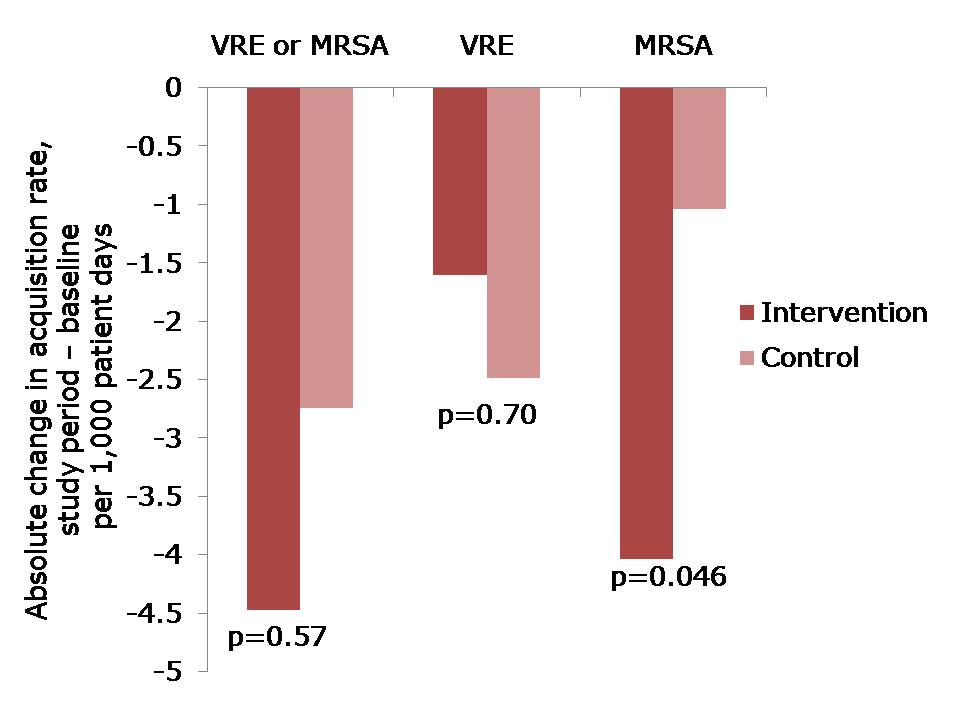
  • VRE acquisition was not reduced by universal glove and gown use, whereas MRSA was.
  • CLABSI, CAUTI and VAP; ICU mortality; and adverse events did differ significantly between the two groups.
  • Hand hygiene compliance on room entry was not significantly different between the two arms, whereas hand hygiene compliance on room exit was significantly higher in the intervention arm.
  • Healthcare workers visited patients 20% less frequently in the intervention arm (4.2 vs. 5.2 visits per hour).

BUGGFigure: The change in acquisition rate, comparing the baseline period with the study period for the intervention and control units.

Here’s what’s BUGGing me about this study:

  • The acquisition rate in both intervention and control study arms reduced (Figure). The acquisition rate reduction in the control arms may be due to improved compliance with admission screening, resulting in more accurate ascertainment of who required contact precautions.
  • The significant reduction was achieved for MRSA but not for VRE. The authors suggest that VRE colonization may have been suppressed on admission and not detected, and flourished during antimicrobial therapy giving the impressive of acquisition. I wonder whether differences in the routes of transmission may also have contributed; for example, VRE seems to be substantially “more environmental” than MRSA. Another potential confounder is that, by chance, the prevalence of MRSA or VRE on admission to the intervention ICUs was more than double that in the control ICUs (22% vs. 9%). In actual fact, the raw rate of MRSA acquisition in the intervention ICUs was marginally higher than in the control ICUs during the intervention period (6.00 vs. 5.94 per 1000 patient days), even though the change in rate was significantly greater on the intervention ICU. Although adjustment was made for this difference in the analysis, it may have skewed the findings somewhat.
  • The authors achieved remarkably high compliance with admission screening (around 95%), discharge screening (around 85%) and glove and gowning (around 85%). Each site had the luxury of a study coordinator and a physician champion to lead implementation, plus weekly feedback on screening compliance and visits from study investigators. Most ICUs would not be afforded these luxuries so I suspect that real-world compliance outside of the somewhat artificial study environment would be considerably lower. Indeed, an ID Week poster suggests that compliance with gowning in one US ICU was a ‘dismal’ 20%!
  • Adverse events were not significantly higher in the universal glove and gowning arm, which may seem surprising prima facie. However, the reason why adverse events are more common for patients on contact precautions is that they are marginalized by being on contact precautions. If all patients are effectively on contact precautions, the time of healthcare workers would be spread evenly.
  • Universal gloving is likely to result in universally bad hand hygiene compliance within the room during patient care; when healthcare workers feel protected, they are less likely to comply with hand hygiene and gloves are a good way to make healthcare workers feel protected. The increase in hand hygiene compliance on room exit is probably also a symptom of inherent human factors, since healthcare workers feel more ‘dirty’ when exiting the room of a patient with a higher perceived risk of MDRO ‘contamination’ (the so-called “urgh” factor).
  • Healthcare workers had less time for patient care in the intervention arm because they were busy donning and doffing gloves and gowns. Interestingly, the authors suggest that fewer visits may be a good thing for patients, and may have contributed to their reduced chances of acquiring MRSA. This seems unlikely though, given the fact that VRE acquisition was not reduced. On balance, less contact with healthcare workers is likely to be bad for patients.
  • The increased cost of universal glove and gowning was not evaluated and, whilst incrementally small, would be a substantial sum.

In summary, this study sets the standard in terms of rigorous assessment of an infection prevention and control intervention. Universal application of gloves and gowns is unlikely to do as much harm as universal administration of mupirocin, but it will not make a profound reduction in the transmission of MDROs. Therefore, I shouldn’t think many ICUs will be rushing to implement universal gloves and gowns on the strength of these findings.

Article citation: Harris AD, Pineles L, Belton B et al. Universal glove and gown use and acquisition of antibiotic-resistant bacteria in the ICU: a randomized trial. JAMA 2013;310:1571-1580.

Healthcare-Associated Infections (HAIs); at what cost?

cost

“Healthcare-Associated Infections” (HAIs)* increase morbidity, mortality and length of hospital stay as well as healthcare costs for the patients, their families and healthcare systems.1 They also lead to long-term disability and increased resistance of microorganisms to antimicrobials. Various studies have attempted to estimate the burden of HAIs. In this context, I came across two recent papers2,3 estimating the cost of HAIs in US acute care hospitals, which prompted me to re-visit the excellent WHO report on the burden on HAIs around the world.1

The WHO report explores the burden of HAIs not only in the high-income countries, where most reported burden estimates come from, but also in low- and middle-income countries, where little data are available. The report indicates that of every 100 hospitalised patients at any given time, 7 in developed and 10 in developing countries will acquired at least one HAI. The prevalence of HAIs in Europe is around 7.1% with more than 4 million patients affected by approximately 4.5 million episodes of HAIs annually and leading to 16 million extra-days of hospital stay, 37,000 attributable deaths and contributing to an additional 110,000. In the US around 1.7 million patients are affected by HAIs annually with a prevalence of 4.5% and accounting for 99,000 deaths. Limited data are available from low and middle-income countries but the prevalence of HAIs in these countries is estimated to be between 5.7 and 19.1%. Increased length of hospital stay associated with HAIs in developing countries range between 5-29.5 days and excess mortality due to these infections in adult patients in Latin America, Asia, Africa were 18.5%, 23.6%, and 29.3%, for CAUTI, CR-BSI, and VAP, respectively.1

HAIs have a huge economic burden. In the WHO report and according to a report from the ECDC,4 these infections account for approximately €7 billion per year in Europe, considering direct costs only. For instance, additional associated costs of a CR-BSI episode in Europe ranged from €4,200 to €13,030, representing annual costs to healthcare systems of €54 million in the United Kingdom and €130 million in France.1 Limited data on the financial cost of HAIs in low- and middle-income countries is available. Reports from Mexican ICUs estimated the overall average cost of a HAIs episode at $12,155 with an excess cost of $11,591 per case of CR-BSI.1 In several ICUs in Argentina, the overall extra cost estimates for CR-BSI and healthcare-associated pneumonia averaged $4,888 and $2,255 per case, respectively.1

In the US, the annual economic impact of HAIs was approximately $6.5 billion in 2004.5 Recently Zimlichman and colleagues2 conducted a systematic review of the literature for the years 1986 through 2013 for an updated estimate of costs associated with the most significant and targetable HAIs in the US. These were CLABSI, VAP, SSI, CR-UTI, and C. difficile infection (CDI). On a pair case basis, CLABSI were found to be the most costly at $45,814 (95% CI, $30,919-$65,245), followed by VAP at $40,144 (95% CI,$36,286-$44,220), SSI at $20,785 (95% CI, $18,902-$22,667), CDI at $11,285 (95% CI, $9,118-$13,574), and CR-UTI at $896 (95% CI, $603-$1,189). Based on 2009 data where approximately 34.7 million adults received inpatient care in US hospitals (totaling 165 million patient days), the total annual cost of the 5 infections was  $9.8 billion (95% CI, $ 8.3-11.5 billion) with SSI and CDI being the most frequent (36% and 30% respectively).

cost prevalence HCAI

Figure: The prevalence and direct cost of HAI in Europe1,4 and the USA.1,2

The study by Marchetti and Rossiter3 went a step further in trying to estimate the true cost of HAIs in US acute care hospitals by assessing the full social burden of these infections including direct medical, non-medical and indirect costs. This was done by updating, combining and expanding previous cost estimates from various studies. Although the study was subject to the same limitations as the studies which contributing data was derived from, it is of importance because the social cost of HAIs is rarely considered. Marchetti and Rossiter estimated the total social cost of HAIs in US acute care hospitals alone (excluding those occurring in non-hospital settings) to range from $96-147 billion. In the face of such a huge cost, the authors concluded “The enormous clinical and economic burden of infection places HAIs high on the list of devastating and costly illnesses, such as cancer, heart attack, stroke, and diabetes, thereby mandating further research and greater efforts to contain a pressing healthcare problem”.

It is clear that HAIs represent a huge burden in the developed world. Due to the limited data available from low- and middle-income countries, the true cost of these infections is undetermined, although it is clear that prevalence is higher in these countries. More research is needed to evaluate the true burden of HAIs worldwide, including their financial cost, to expose a problem that is as devastating and costly as cancer and diabetes. Needless to say, the implementation of practical and effective strategies to reduce the prevalence of HAIs is required.


*Healthcare-Acquired Infections, also known as “Healthcare-Associated Infections”, “Nosocomial Infections” or “Hospital Infections”, are infection acquired by patients in healthcare facilities or appear after discharge from a healthcare facility and are not present or incubating at the time of admission. Their definition also extends to occupational infections among healthcare workers.

Article citations:

  1. WHO. Report on the burden of endemic Health Care-Associated Infection Worldwide. WHO. 2011.
  2. Zimlichman E, Henderson D, Tamir O et al. Health Care-Associated Infections: A Meta-analysis of Costs and Financial Impact on the US Health Care System. JAMA Intern Med 2013.
  3. Marchetti A, Rossiter R. Economic Burden of Healthcare-Associated Infection in US Acute Care Hospitals – Societal Perspective. J Med Econ 2013.
  4. Annual epidemiological report on communicable diseases in Europe 2008. Report on the state of communicable diseases in the EU and EEA/EETA countries. Stockholm, ECDC. 2008.
  5. Klevens RM, Edwards JR, Richards CL Jr et al. Estimating health care-associated infections and death in US hospitals, 2002. Public Health Reports 2007;27:817-824.

Contaminated surfaces contribute to transmission; the question is, how much?

mop

I’ve been asked to write a chapter on the role of the environment in transmission in an Springer book (on the potential role for antimicrobial surfaces in healthcare). So, I’ve been busy updating my 2011 ICHE literature review on a similar topic, drawing on an excellent recent AJIC review by Dr Donskey.

There are some epidemiological associations that suggest an important role for contaminated surfaces in transmission. Most compelling are the studies showing that admission to a room previously occupied by a patient with certain environmentally-associated pathogens increases the risk of acquisition for incoming patients, presumably due to residual contamination. However, in order to really nail a scientific association, an intervention is required. Hence, the environmental intervention studies provide the highest quality evidence evaluating the role of the environment in transmission (see the Table below).

These studies have shown that switching to more effective agents, improving the cleaning / disinfection process or turning to automated “no-touch” room disinfection systems (NTD) can reduce transmission in endemic settings. It’s important to note that some studies report an ineffective environmental intervention. These are important to publish to avoid publication bias. Looking under the bonnet of these studies usually offers an explanation as to why they did not show a significant reduction in transmission. For example:

  • Wilcox 2003. There was virtually no impact on the frequency of C. difficile environmental contamination on the wards using bleach, so it’s surprising that they saw any reduction in CDI!
  • Valiquette 2007. The bundle of interventions, some of which were environmental, was only given a few months to be effective.
  • Wilson 2011. This one is more difficult to explain. Perhaps it was underpowered to detect a clinical impact in the declining prevalence of MRSA in the UK?
  • Dharan 1999. The intervention was focused mainly on improving the cleaning and disinfection floors, which are not exactly a high-touch, high-risk sites.

Believe it or not, I still occasionally meet people who tell me that contaminated surfaces do not contribute to transmission. That rather dated viewpoint is becoming increasingly untenable as the volume and quality of data evaluating the role of the environment in transmission continues to increase. For me, the question has now moved on to how much contaminated surfaces contribute to transmission, and how best to address contamination of the hospital environment.

Table. Intervention studies evaluating the role of contaminated surfaces in the endemic transmission of nosocomial pathogens.

Reference Setting, location Organism Study design Key findings
Mayfield 2000 1 Three units, USA C. difficile 18-month before-after study of a switch from QAC to bleach disinfection. Significant reduction in CDI incidence on the highest risk unit from 8.6 to 3.3 cases per 1000 patient-days.
Wilcox 2003 2 Two units, UK C. difficile 2-year ward cross-over study of a switch from detergent to bleach disinfection. Significant reduction in CDI incidence on one of the units (from 8.9 to 5.3 cases per 100 admissions), but not on the other.
McMullen 2007 3 MICU and SICU, USA C. difficile 2-month before-after evaluation of bleach disinfection of CDI rooms on SICU and 4-month evaluation of bleach disinfection of all rooms on MICU in a hyper-endemic setting. Significant reduction in CDI incidence on both units (10.4 to 3.9 cases per 1000 patient days on SICU; 16.6 to 3.7 cases per 1000 patient days on MICU).
Valiquette 2007 4 Hospital-wide, Canada C. difficile 5-month evaluation of enhanced infection control and disinfection, including a switch to bleach, and a subsequent switch to ‘accelerated’ hydrogen peroxide. Neither environment intervention made a significant impact on the incidence of CDI; a reduction in the use of high-risk antibiotics significantly reduced the incidence of CDI.
Boyce 2008 5 Hospital-wide, USA C. difficile 20-month before-after study on the use of HPV disinfection for terminal disinfection of CDI rooms. Significant reduction in CDI incidence on five high incidence units (from 2.3 to 1.3 cases per 1000 patient-days). Lesser reduction in CDI incidence hospital wide.
Hacek 2010 6 Three hospitals, USA C. difficile 3-year before-after study on switching from QAC to bleach for terminal disinfection of CDI rooms. Significant reduction in the incidence of CDI (from 0.85 to 0.45 per 1000 patient days).
Orenstein 2011 7 Two medical units, USA C. difficile 2-year before-after study on switching to bleach wipes for daily and terminal disinfection of all rooms. Significant reduction in the incidence of CDI (from 24.2 to 3.6 per 1000 patient days).
Manian 2013 8 Hospital-wide, USA C. difficile 3-year before-after study on enhanced terminal disinfection of CDI rooms using HPV and bleach. Significant reduction in the incidence of CDI (from 0.88 to 0.55 cases per 1000 patient days).
Hayden 2006 9 ICU, USA VRE 9-month before-after study on educational improvement of cleaning and hand hygiene. The frequency of environmental contamination and patient acquisition of VRE were reduced  from 33 to 17 acquisitions per 1000 patient-days during the improved cleaning phase.
Datta 2011 10 ICU, USA VRE / MRSA 3-year before-after study of an intervention (fluorescent markers, “bucket method” and education) to enhance daily and terminal cleaning. Significant reduction of MRSA (3.0% to 1.5% of admissions) and VRE (3.0% to 2.2% of admissions) acquisitions; intervention significantly reduced the increased risk from the prior occupant for MRSA but not VRE.
Perugini 2011 11 Hospital-wide, Brazil VRE 4-year before-after study of an educational and observational intervention for cleaners. Significant reduction in VRE infection (from 7.7 to 1.9 per 1000 patient days) and environmental contamination.
Grabsch 2012 12 Hospital-wide, Australia VRE 18-month before-after study of a multimodal intervention (switch to bleach, improved monitoring of cleaners, modification of VRE contact isolation, periodic ‘super-clean-disinfection’ of high-risk wards). Significant reduction of VRE colonization (from 10.7% to 8.0% of patients) and VRE environmental contamination.
Passaretti 2013 13 ICU, USA VRE / all MDROs 30-month cohort study on the impact of HPV decontamination. Patient admitted to rooms disinfected using HPV significantly less likely to acquire an MDRO (15.7 to 6.2 per 1000 patient days) and VRE (11.6 to 2.4 per 1000 patient days).
Mahamat 2007 14 Hospital-wide, UK MRSA 8-year interrupted time series analysis of multiple infection control interventions. Introduction of bleach disinfection, environmental sampling, alcohol gels and admission screening all reduced the prevalence of MRSA.
Dancer 2009 15 Two wards, UK MRSA 12-month cross over-study on the impact of one extra cleaner. Enhanced cleaning was associated with significant reductions surface contamination, hygiene fails and MRSA acquisition.
Wilson 2011 16 ICU, UK MRSA 12-month randomized crossover study on the impact of additional twice daily cleaning of hand contact surfaces. Significant reduction in the detection of MRSA on surfaces and hands, but no significant change in MRSA acquisition was detected.
Dharan 1999 17 5 medical wards, Switzerland 4-month controlled study where 3-wards received an intervention (including an active oxygen based compound) and 2 wards continued current practice. Intervention associated with reduced contamination but not reduced nosocomial infection or MRSA infection / colonization.

HPV = hydrogen peroxide vapour.


References

1.       Mayfield JL, Leet T, Miller J, Mundy LM. Environmental control to reduce transmission of Clostridium difficile. Clin Infect Dis 2000; 31: 995-1000.

2.       Wilcox MH, Fawley WN, Wigglesworth N, Parnell P, Verity P, Freeman J. Comparison of the effect of detergent versus hypochlorite cleaning on environmental contamination and incidence of Clostridium difficile infection. J Hosp Infect 2003; 54: 109-114.

3.       McMullen KM, Zack J, Coopersmith CM, Kollef M, Dubberke E, Warren DK. Use of hypochlorite solution to decrease rates of Clostridium difficile-associated diarrhea. Infect Control Hospital Epidemiol 2007; 28: 205-207.

4.       Valiquette L, Cossette B, Garant MP, Diab H, Pepin J. Impact of a reduction in the use of high-risk antibiotics on the course of an epidemic of Clostridium difficile-associated disease caused by the hypervirulent NAP1/027 strain. Clin Infect Dis 2007; 45 Suppl 2: S112-121.

5.       Boyce JM, Havill NL, Otter JA et al. Impact of hydrogen peroxide vapor room decontamination on Clostridium difficile environmental contamination and transmission in a healthcare setting. Infect Control Hosp Epidemiol 2008; 29: 723-729.

6.       Hacek DM, Ogle AM, Fisher A, Robicsek A, Peterson LR. Significant impact of terminal room cleaning with bleach on reducing nosocomial Clostridium difficile. Am J Infect Control 2010; 38: 350-353.

7.       Orenstein R, Aronhalt KC, McManus JE, Jr., Fedraw LA. A targeted strategy to wipe out Clostridium difficile. Infect Control Hosp Epidemiol 2011; 32: 1137-1139.

8.       Manian FA, Griesnauer S, Bryant A. Implementation of hospital-wide enhanced terminal cleaning of targeted patient rooms and its impact on endemic Clostridium difficile infection rates. Am J Infect Control 2013; 41: 537-541.

9.       Hayden MK, Bonten MJ, Blom DW, Lyle EA, van de Vijver DA, Weinstein RA. Reduction in acquisition of vancomycin-resistant enterococcus after enforcement of routine environmental cleaning measures. Clin Infect Dis 2006; 42: 1552-1560.

10.     Datta R, Platt R, Yokoe DS, Huang SS. Environmental cleaning intervention and risk of acquiring multidrug-resistant organisms from prior room occupants. Arch Intern Med 2011; 171: 491-494.

11.     Perugini MR, Nomi SM, Lopes GK et al. Impact of the reduction of environmental and equipment contamination on vancomycin-resistant enterococcus rates. Infection 2011; 39: 587-593.

12.     Grabsch EA, Mahony AA, Cameron DR et al. Significant reduction in vancomycin-resistant enterococcus colonization and bacteraemia after introduction of a bleach-based cleaning-disinfection programme. J Hosp Infect 2012; 82: 234-242.

13.     Passaretti CL, Otter JA, Reich NG et al. An evaluation of environmental decontamination with hydrogen peroxide vapor for reducing the risk of patient acquisition of multidrug-resistant organisms. Clin Infect Dis 2013; 56: 27-35.

14.     Mahamat A, MacKenzie FM, Brooker K, Monnet DL, Daures JP, Gould IM. Impact of infection control interventions and antibiotic use on hospital MRSA: a multivariate interrupted time-series analysis. Int J Antimicrob Agents 2007; 30: 169-176.

15.     Dancer SJ, White LF, Lamb J, Girvan EK, Robertson C. Measuring the effect of enhanced cleaning in a UK hospital: a prospective cross-over study. BMC Med 2009; 7: 28.

16.     Wilson AP, Smyth D, Moore G et al. The impact of enhanced cleaning within the intensive care unit on contamination of the near-patient environment with hospital pathogens: a randomized crossover study in critical care units in two hospitals. Crit Care Med 2011; 39: 651-658.

17.     Dharan S, Mourouga P, Copin P, Bessmer G, Tschanz B, Pittet D. Routine disinfection of patients’ environmental surfaces. Myth or reality? J Hosp Infect 1999; 42: 113-117.

Key themes from ID Week 2013

idweek

Having somewhat dipped in towards the end of ID Week 2013 due to the overlapping Infection Prevention 2013 Conference in London, I can’t begin to provide a comprehensive overview of such a large event. Instead, I’ve tried to summarize new data on two important areas: the epidemiology and control of multidrug-resistant Gram-negative rods (MDR-GNR) and the role of the environment in transmission. You can access all of the abstracts free online here. Also, the poster abstracts that I cite below are either individually hyperlinked or can be downloaded here.

MDR-GNR

Dr Kavita Trivedi (California Department of Public Health) gave an overview of CRE in the USA, which has now been reported in virtually every state. Whilst surveillance sites, methods and definitions are problematic, CDC are coordinating some useful emerging data. For example, an NNIS prevalence survey indicates an increase in CRKP from 1% in 2001 to 10% in 2011. Also, the Multi-Site Resistant Gram-Negative Bacilli Surveillance Initiative (MuGSI) is beginning to yield some data. Early results from four states indicate that CRE is 10x less common than MRSA in the population, predominantly from urine cultures (85%) from patients with co-morbitities (93%) with a low mortality rate (4%). The CDC CRE toolkit provides a practical overview of recommended interventions. Finally, the challenges outlined by Dr Trivedi included: long-term care; variable prevalence; unknown epidemiological associations of different strains and genes; and colonization duration.

Oral presentations

A featured oral abstract by Bamburg et al. described an outbreak of NDM-producing K. pneumoniae affecting eight patients. The complex transmission map was dissected using whole genome sequencing, reminiscent of the NIH experience.

There was a useful oral session on ‘Identifying and Overcoming Challenges in Preventing Transmission of MDRO GNR’:

  • 1207, Haverkate. A Dutch group found that Klebsiella carrying OXA-48 can appear susceptible in vitro, risking ‘silent transmission’ of both the gene and the organism. The mean duration of colonization was almost one year and modeling indicated that readmission of CRE colonized patients needs to be carefully accounted for.
  • 1208, Mody. A cluster RCT in nursing home residents with urinary catheters or feeding tubes found that enhanced and preemptive isolation; ASC; and education led to a significant reduction in MDROs and CAUTI.
  • 1209, Hayden. A bundled intervention (ASC and isolation; daily CHG bathing; education; and adherence monitoring) significantly reduced CR Klebsiella in three of four LTACs included in the study. The prevalence of CR Klebsiella was remarkably high: 45% of patients at baseline. Environmental contamination was not identified, so no enhanced cleaning and disinfection was implemented, which is different to the experience of NIH.
  • 1210, Lewis. Varying the definition of ‘MDR’ made a profound impact on the proportion of patients requiring contact isolation, from 8-30%. Subsequent discussion with the authors indicated that the proposed MDR definitions developed by ECDC and CDC to be too sensitive for bacteria with less intrinsic resistance, such as E. coli. Perhaps a separate definition for the Enterobacteriaceae and non-fermenters is the way forward here?
  • 1211, Apisarnthanarak. The implementation of chlorhexidine bathing plus a switch to bleach for environmental disinfection brought an outbreak of A. bauamannii in Thailand under control. But which worked?
  • 1212, Barnes. A mathematical model indicated that hand hygiene is twice as important as environmental hygiene for interrupting A. baumannii, MRSA and VRE transmission. Whilst an awful lot of assumptions are required in this model, I can believe this 2:1 ratio in light of the following: “healthcare personnel are like small children: they touch everything and don’t always wash their hands” (Curtis Donskey) and “healthcare personnel hands are like very mobile shared surfaces” (Eric Lofgren).

Posters

  • 740, Jamal. CRE rate: 3% of 2000 Kuwaiti clinical isolate; 15.9% of CRE NDM-1 producers.
  • 746, Koper. A match made in hell between hypervirulent K2 Klebsiella and KPC; in vitro plasmid transfer demonstrated.
  • 1578, Madigan. No CRE detected in 69 international patients at Mayo Clinic; 22% carried ESBLs.
  • 1582, Johns. 50% of 66 MDR A. baumannii cases in Ohio in 2012 presented in first two days of admission, mostly admitted from extended care facilities, illustrating the ‘revolving door’ between acute and other healthcare facilities.
  • 1586, Carrilho. 26% of 157 Brazilian CRE polymyxin-resistant, though polymyxin resistance was not associated with increased mortality.
  • 1603, Drees. Remarkably, a survey from the SHEA Research Network indicates that 6% of hospitals do NOT isolate patients with CRE.
  • 1609. Decker. A study of CRE colonization patterns indicates median colonization of 216 days (range 134-376). One patient was colonized for >500.
  • 1611, Odom. CRE cultured from 12 (4.4%) of surfaces, predominantly sink drains.
  • 1612, Fitzpatrick. Selective broth enrichment added 10% sensitivity for detecting CRE. Is the resulting diagnostic delay worth the wait?
  • 1615, Lin. Chlorhexidine gluconate (CHG) daily bathing significantly reduces the number of body sites growing CRE, but several sites remain colonized.
  • 1618, Cheng. CRE identified in 1.2% of 6533 rectal screens and faecal specimens in Hong Kong, which is lower than I would expect.

Reflections from MDR-GNR research

  • We now have some intervention studies, but many include bundled interventions. We need more resolution on what works.
  • The duration of colonization with CRE seems to be long, probably around 1 year on average. Is this enough for a “once positive, always positive” approach?
  • Prevalence of CRE is variable around the USA, and in other parts of the world.
  • There is poor resolution between the epidemiology of Enterobacteriaceae and non-fermenters.
  • Most would agree that contaminated surface play an important role in the transmission of MDR non-fermenters such as A. baumannii. But is CRE an environmental issue? Some groups have found contamination and implemented enhanced disinfection, others have not.
  • Should chlorhexidine decolonization be part of the intervention for MDR-GNR?
  • Different research groups use different terminology and the meaning is sometimes obscured. International consensus is required.

Role of the environment in transmission

Dr Curtis Donskey (Cleveland) gave an excellent overview of ‘Environmental Controls for the Prevention of C. difficile Transmission’. Dr Donskey is one of the most active researchers anywhere in the world, focusing much of his attention on the role of the environment. Having established the importance of contaminated surfaces in the transmission of C. difficile, Dr Donskey explored emerging themes in addressing surfaces contaminated with spores covering conventional and automated terminal cleaning, and the impact of improving daily disinfection. The current challenges outlined included where to clean, how to validate “no-touch” automated room disinfection systems (NTD) to disentangle product claims from real-world performance, how best to engage environmental services and how to make disinfection easier in order to facilitate compliance.

Posters

  • 347, Livorsi. Patients with a higher nasal burden of MRSA are more likely to carry MRSA at other sites and contaminate their environment.
  • 348, Sitzlar. Useful stratification of MRSA/VRE room contamination rate by patient C. difficile status. Rooms of patients on precautions for CDI 3x more likely to be contaminated.
  • 1393, Deshpande. One hospital found more C. difficile contamination in the rooms of patients who were not on precautions for CDI than in rooms of patients on precautions for CDI!
  • 1394, Kundrapu. Suggests that the result would be better if those tasked with monitoring cleaning performance got their hands dirty and cleaned.
  • 1541, Sunkesula. Reduction in VRE in new unit; attributable to no shared rooms and bathrooms in the new unit?
  • 1685, Rose. A couple of carbapenem-resistant bacteria on public surfaces outside New York hospitals; I bet you it’d be higher in New Delhi!
  • 1685, Havill. Extended survival of CRE on dry surfaces; will surprise some.
  • 1690, Kirk. Almost no MRSA cultured from medication cabinets in isolation rooms. Direct plated swab lacks sensitivity?
  • 1691, Suwantarat. Quantitative assessment of HCP contact with equipment and fomites helps to define high touch (risk?) items; medication chart highest frequency of contact (1 per patient hour) yet possibly also the least cleaned item.
  • 1692, Hirsh. ipads (and other personal electronic devices) can become contaminated with pathogens; contact precautions should include an explicit instructions not to touch these items. (This was implemented at NIH during recent CRE outbreak there).
  • 1695, Williams. Pathogens identified on the clothing of HCP at the BEGINNING of their shift! (Reminds me of Hayden article where VRE commonly found on the hands of HCP BEFORE they entered patient rooms.)
  • 1697, Vassallo. Universal standard precautions didn’t stop impressive trend reductions. Time to abandon contact precautions?
  • 1698, Mann. Cleaning survey response rate of 100% (unprecedented). EVS staff have something to say, if only we’d listen.
  • 1700, Gerba. What’s for lunch in the hospital cafeteria? MRSA, enteric bacteria and spores, apparently.
  • 1701, Wiemken. Wipes are quicker and easier than bucket methods. Why wouldn’t you? (Perhaps only due to lack of wetting reducing efficacy.)
  • 1705, Boyce. The informal ‘standard’ for ‘clean’ is <2.5 cfu/cm2. This equates to 65 cfu/contact plate, which is almost 1/3 of the way to uncountable. Is this an acceptable standard for ‘clean’?
  • 1706, Power. Contaminated neonatal incubator? An hour of UVC should do the trick.
  • 1707, Horn. HPV for terminal room disinfection associated with significant reduction in CDI. Study design controlled for hand hygiene compliance, but time series analysis may have been more appropriate.
  • 1708, Anderson. Is variation in UVC cycle time for room disinfection explained entirely by variation in room size?
  • 1709, Uslan. Assessment of various Cu surfaces; I was unaware that you could apply Cu as a spray though have concerns over durability.

Other highlights

  • Decolonization has been a hot topic since several high-profile articles have been published recently. It’s a shame that universal chlorhexidine was conflated with universal mupirocin in the Huang study; the two should be considered separately in my view. The potential for resistance to mupirocin is extremely high, whereas the risk for ‘resistance’ or continued reduced susceptibility to chlorhexidine is lower. However, an interesting finding from poster 1615 was that the measured CHG skin concentration (20-1200 mg/L) was MUCH lower than the applied CHG concentration (10,000 mg/L). This brings the subtly reduced susceptibility to CHG reported in MRSA into play. Both Dr Aaron Milsone (Hopkins) and Prof Mary-Claire Roghmann (University of Maryland) highlighted the importance of the need to ‘tend the human microbiome’ and to consider the ‘host-microbiome-pathogen’ interaction rather than the ‘host-pathogen’ interaction, remembering that decolonization can cause considerable collateral damage to the host microbiome.  
  • Dr Denise Cardo (CDC) delivered the SHEA Lectureship on HAI Science and Policy. CDC are streets ahead of any other government health agency in leading HAI science through the development of common, simple goals; accountability; transparency; efficiency and strategy. HAI science alone is not sufficient to influence policy; this requires congressional briefings, senate hearings and the use of the scientific and lay press. The recently published CDC threat report outlines how the (somewhat bleak) future may look. Most poignantly, Dr Cardo could not attend the conference and delivered her lecture remotely due to the government shutdown, which signals leaner times ahead for CDC.  
  • BUGG. Dr Anthony Harris (University of Maryland) presented the results of the ‘Benefits of Universal Glove and Gown’ (BUGG) study. This RCT with impressive compliance to screening, gloving and gowning showed a significant 40% reduction in MRSA but no significant reduction in VRE. The a priori primary outcome (a composite measure of MRSA and VRE acquisition) was non-significant. I’m generally not a fan of universal approaches, since compliance in the real world is likely to tail off when the spotlight of a large study fades. Indeed, poster 1696 showing a ‘dismal’ 20% compliance rate with gowning in the field sheds a shadow on the BUGG study.   
  • Dr Brad Spellberg (UCLA) gave a wake-up call on the future of antibiotics and resistance. Reflecting on the three things guaranteed in life (death, taxes and resistance), Dr Spellberg outlined the unfair fight between humans and bacteria: we’re outnumbered to begin with, and multiply much more slowly! Dr Spellberg’s recent papers in CID and NEJM outline the radical approach required to curb and reverse antibiotic resistance including embracing technology, rekindling R&D, preserving effective agents and exploring novel therapies. Dr Spellberg gave a fascinating insight from the 1960s revealing that it’s not the first time the antibiotic pipeline has dried. We need to learn from history and rekindle R&D before the pipeline dries completely. More importantly though, exploring non-antibiotic therapies, or novel applications of existing agents, has a more realistic chance of brightening the future of antimicrobial therapy.   

Infection Prevention 2013 Conference Report

ips-header2013

I have a long flight to San Francisco to enjoy, which provides a perfect opportunity to relax and write my report from Infection Prevention 2013 Conference (Sept 30th – Oct 2nd 2013, London). The abstracts from the excellent submitted scientific material have been published as a free supplement in the Journal of Infection Prevention.

Opening lectures – Tricia Hart, Dale Fisher, Michael Gardam, Hugo Sax and Martin Kiernan

Following a short opening address from newly appointed IPS patron Prof Tricia Hart, exhorting us to put our patients before the numbers, Prof Dale Fisher from Singapore took the stage to talk about gaining organizational buy-in. With seamless reference to ‘Pirates of the Caribbean’ throughout, most memorably “It’s not the problem that’s the problem; it’s your attitude to the problem that’s the problem” [Capt Jack Sparrow], Prof Fisher gave useful advice on gaining buy-in from all stakeholders, not just administrators. An interesting idea was to incentivize hand hygiene compliance by offering a substantial tax rebate. Another was to embrace the power of the media rather than running away scared. But, whatever you do, don’t be seen as a ‘rigid, dour zealot’.

Dr Michael Gardam from Canada was outstanding in his content (including perhaps the first ever hand gelogram) and delivery on using front line ownership to deliver patient safety. His resonating theme was ‘culture eats strategy for breakfast’. Dr Gardam drew a thoughtful parallel between healthcare and raising children: challenging, private, rewarding, unpredictable, fun. This illustrated the ‘individuality’ of healthcare; each patient is different and should be treated individually. Equally, to achieve effective culture change, you need to empower the changee.

Prof Hugo Sax from Switzerland challenged the traditional approach of: perform hand hygiene ‘education’ then if that fails, educate some more and if that fails, make education mandatory! A consideration of fundamental human limitations was helpful: our finite capacity to process information per time unit; we are more likely to behave when being observed; and physiological responses affect our behavior (e.g. olfactory cues). These so-called ‘human factors’ must be embedded in our approaches to promote hand hygiene compliance.

To round off the morning’s lectures, Martin Kiernan delivered the EM Cotteral Lecture, revealing the life and times of the urinary catheter. Typically animated and innovative (including live tweeting as he was speaking), Martin outlined the challenges surrounding urinary catheters, including non-infectious risks. There is a remarkable lack of data and heterogeneity of practice for such a high-risk healthcare intervention. Although not quite finishing on a song, Martin did finish on a poem.

Submitted oral presentations: hand hygiene compliance and MRSA control

Paul Apler (Deb Ltd) presented an electronic system for monitoring hand hygiene compliance. The numerator is accurate, with each pump of hand gel logged electronically, but the denominator is derived from an algorithm for anticipated hand hygiene opportunities. The initial data look great, but the success or failure of the system depends on the accuracy of the denominator, which may need some tweaking for new settings. It does seem that the subjectivity and Hawthorne effect of hand hygiene monitoring would be reduced or perhaps even eliminated through automating the process.

Carolyn Dawson (University of Warwick) gave an overview of her research considering triggers for hand hygiene, with overtones of Prof Sax’s opening lecture. Inherent (“urgh”) triggers are more powerful than elective (“taught”) triggers hence inherent activities result in better compliance. We need to harness these fundamental human factors to achieve the highest possible rates of compliance. Carolyn has written an engaging blog-report of Infection Prevention 2013, which includes more details on her research.

Next up, I presented some work on MRSA admission screening at St. Thomas’ in London. An informal poll of the audience revealed that, surprisingly, the majority thought that targeted screening would detect less than 50% of carriers. Our study calculated that reverting from universal MRSA admission screening to a targeted approach would result in 75% (almost 22, 000) less screens but 45% (262) undetected MRSA carriers admitted. Is this enough to reconsider scrapping universal MRSA screening and returning to a targeted approach?

Debbie Weston (Kent) experienced a sizable outbreak of mupirocin-resistant MRSA, affecting 144 patients over 10 months. Amongst other interventions, the team made a sensible switch from mupirocin to fusidic acid and octinisan for MRSA decolonization and screened staff for MRSA carriage. Five staff carriers were detected, which could have been a factor in the continuation of the outbreak. This outbreak brings into sharp focus the risk of universal application of mupiriocin to ICU patients in a recent US study.

Multidrug resistant Gram-negatives

An important forum for discussing the challenges presented by multidrug-resistant Gram-negatives began with Prof Peter Wilson (UCLH) summarizing:

  • Issues driving the “next MRSA”: antibiotic abuse in humans & animals; gastrointestinal carriage; complex, challenging sources; and rapid transmission.
  • [Scant] evidence for effective interventions: screening; isolation; staffing; enhanced disinfection (consider hydrogen peroxide vapour); antibiotic stewardship; ward closure (perhaps).
  • Research needs: gastrointestinal carriage rates; importance of imported cases; selective digestive decontamination (SDD); human vs. animal transmission; how best to improve cleaning.

Craig Bradley (Birmingham) then related his experience of controlling outbreaks of MDR A. baumannii highlighting the importance of environmental disinfection, and Alice Nutbourne (King’s, London) warned that empirical antibiotic therapy may be ineffective for an increasing proportion of Gram-negative sepsis cases.

Medical stats with Tim Boswell

Dr Tim Boswell (Nottingham) provided a useful, practical overview of how to tell whether an observed difference is due to chance. Covering theory, an overview and appraisal of available software and worked examples, this session provided a framework for understanding the difference between clinical and statistical significance.

Copper surfaces, “no-touch” automated room disinfection (NTD) and single rooms

Prof Tom Elliot (Birmingham) presented the impressive and ever-accumulating evidence for the introduction of copper surfaces in healthcare. Useful to note one cited paper from the 1980s showing that brass door handles were less likely to be contaminated than stainless steel ones, so the concept is hardly new. The data for copper surfaces are now impressive, with the Salgado study suggesting clinical impact. However, I still have questions over acceptability, durability and cost-effectiveness.

Gail Locock (Maidstone) then continued the estates theme with a view from her hospital, which is 100% single rooms. This iconic image perhaps best explains the reason why the switch to 100% single rooms was made, with the patients “so close tougher they could hold hands”. Whilst the infection prevention benefits of 100% single rooms are obvious, challenges include: patient visibility and associated safety, managing dementia, complacency, cleaning turnaround times, auditing compliance with hand hygiene and cohorting difficulties. Gail’s conclusion: pros and cons!

Prof Dale Fisher concluded the estates theme by addressing whether it is time to turn to “no-touch” automated room disinfection (NTD). Prof Fisher outlined the rationale for considering an NTD system; principally the ‘prior room occupancy’ data combined with the fact that conventional methods do not reliably eliminate pathogens. Several different NTD systems are available (mainly hydrogen peroxide vapour or aerosol, and ultraviolet C or pulsed-xenon), each with advantages and disadvantages. Technology can help, but you need to understand the limitations. In a way, NTD systems have redefined the standard for hospital hygiene, but workflows need to be adjusted if they are to be successfully implemented.

Submitted oral presentations: ‘Get Stoolsmart’ and hub contamination

The impressive and Twitter innovating Coventry IPS team gave an entertaining overview of their ‘Get Stoolsmart’ campaign, aiming to return clinical judgment to front line clinicians (with overtones of Dr Gardam’s opening lecture).

Dr Maryanne Mariyaselvam (Kings Lynne) found that 90% of needle-free IV connectors were contaminated with bacteria whereas only 33% of open hubs remained contaminated after flushing. What’s the answer? ”Scrub the hub” or new technology (including the connector impregnated with an antimicrobial under development by Dr Mariyaselvam and colleagues)?

Infection Prevention and Control in Japan – Prof Kobayashi

Prof Kobayashi (or ‘Kobayashi-sensei’!) provided a historical perspective on the development of an IPC programme in Japan. As a cardiac surgeon turned IPC champion, Prof Kobayashi has decades of experience to relate. Ultrasonic chlorhexidine baths for hand hygiene turned out to be a bad idea due to Gram-negative contamination, but the implementation of hand gels, link nurse programmes and temporary side rooms in Japan under the expert stewardship of Prof Kobayashi were years ahead of their time.

International Forum on Infection Prevention and Control

Internationally renowned speakers representing Asia (Prof Dale Fisher), the USA (Robert Garcia), Europe (Prof Hugo Sax) and England (Carole Fry) presented their biggest IPC successes and challenges:

intl session

It was encouraging to hear the experts celebrating their success, sharing ideas and embracing the challenges. From my viewpoint, the common challenge is the threat of CPE, which have the potential to spread globally like wildfire and make antibiotics virtually redundant.

Peter Hoffman on wipes

There’s been an explosion in the use of detergent and disinfectant impregnated wipes for hospital disinfection. Parents of young children in particular will understand the convenience of wipes over “wet bucket” approaches. But how do the data look in terms of efficacy? Peter Hoffman (PHE) outlined the challenges for wipes including: variations in microbial susceptibility, dealing with soiling, achieving adequate contact time with a small amount of wetting, large / intricate areas, choosing an appropriate active chemical and the dangers of sequential wiping transferring contamination. Importantly, Peter demonstrated that adding a sporicidal chemical to a wipe does not necessarily make a sporicidal wipe. Depressingly, it seems that choosing disinfectant wipes currently relies on manufacturers’ data using non-comparable testing. Conventional suspension tests and surface tests are meaningless for wipes so an accepted standard test for wipes (like this one from the Maillard Cardiff lab) is required urgently.

Keynote addresses – Jane Cummings, Aidan Halligan

The Chief Nursing Officer, Jane Cummings, spoke on unraveling and harnessing the potential of the complex ‘new’ NHS, aided by this useful infographic. The address included discussion on a new initiative: ‘6Cs Live’, which looks like an invaluable resource. The CNO concluded with a powerful patient-centred video entitled ‘Empathy’.

The video aptly introduced the theme of Prof Aidan Halligan’s address on rediscovering lost values in the NHS. Prof Halligan was disarmingly honest and forthright with the need to put patients first, poignantly citing Martin Luther King: “Our lives begin to end the moment we become silent about things that matter”. Focusing on empathy and compassion, and having the courage to challenge poor behaviour in a ward environment that can sometimes feel like a warzone is challenging and mistakes will be made. But try we must!

Submitted oral presentations – CPE at King’s and HPV at Tommies

Anita Verma (King’s, London) discussed the challenges of managing an outbreak of VIM-producing CPE on a paediatric unit affecting 11 patients in 2012. The outbreak response included the development of a detailed care plan, enhanced cleaning and transfer guidance for other hospitals. Despite several challenges (including poor adherence to IPC standards; suboptimal cleaning and disinfection; lack of awareness by caregivers, staff and visitors; and young patients in nappies), the outbreak was successfully controlled.

David Tucker (Guy’s and St. Thomas’, London) described a comparison between the length of time and cost of disinfecting rooms and bays using conventional methods of hydrogen peroxide vapour (HPV). Surprisingly, the HPV process time (including pre-cleaning) was only marginally longer for rooms and bays, and HPV was marginally more expensive for rooms and cheaper for bays. These findings are at odds with the general perception that HPV takes considerably longer and is much more expensive than conventional methods.

Clostridium difficile – search and destroy

Search – Dr Simon Goldenberg (Guy’s and St. Thomas’, London) addressed some problematic epidemiological definitions for C. difficile, which result in confusion and make true “CA-CDI” difficult to identify. Relatively recent data on C. difficile testing suggests that ‘you’d be better off flipping a coin than using some toxin EIA tests for CDI diagnosis’. Fortunately, DH diagnosis guidelines are now clear!

Destroy – Myth-busing Dr Jimmy Walker (PHE) provided some invaluable advice on choosing a sporicide active against C. difficile. Practically speaking, Dr Walker reminded us of the need for effective cleaning prior to disinfection for both disinfectant activity and aesthetics, and to look out for material compatibility problems when using sporicides. Specifying appropriate in vitro tests for sporcidies is challenging, but a 60 minute contact time is completely unrepresentative: you’d be lucky to achieve 6 minutes in the field; 6 second is probably more realistic. Dr Walker urged us not to be passive purchasers, but to check and challenge manufacturers’ (sometimes bogus) sporicidal claims.

Closing lectures – Barry Cookson, Phil Hammond, Didier Pittet and Julie Storr

Prof Barry Cookson delivered the Ayliffe Lecture on the past, present and future of MRSA. Prof Cookson described the 1970s as the decade of complacency, the 1980s of re-emergence, the 1990s of dawning realization, the 2000s of reactivity and the 2010s of uncertainty. My alternative view is: 1970s close shave; 1980s warning signs; 1990s unchecked; 2000s action, finally; 2010s ‘post’ MRSA era. The conclusion was to learn from the past to safeguard the future, with Prof Cookson remaining fearful of future failure if effective surveillance systems are not in place and maintained.

Dr Phil Hammond lit up the room with his insightful and, at times, downright hilarious commentary on speaking the truth to power (for example, his silencing of Andrew Landsley on Question Time), on not commoditizing healthcare; on restructuring the NHS; on dark stories about gagging whistleblowers; and on transparency. His summary: the ‘top-down’ restructuring of the NHS has failed; we need to develop care partnerships with our patients.

Newly appointed patron Prof Didier Pittet inspired us to begin with the end in mind, focusing on what we want to be and do, followed by final uplifting words from the Julie Storr, the IPS President.

Overriding themes

Infection Prevention 2013 provided some useful food for thought and discussion:

  • Try new ways to achieve culture change (for example, empowering your culture changees [Gardam], embracing the media [Fischer], and ‘putting the love back into infection prevention and control’ [the irrepressible Coventry IPC team]).
  • Where and when can automation help (monitoring hand hygiene compliance, terminal disinfection)?
  • What on earth do we do about MDR Gram-negatives, specifically CPE?
  • How to do more for less, maximize the opportunities of the ‘new’ NHS, whilst retaining compassion and empathy as core values?