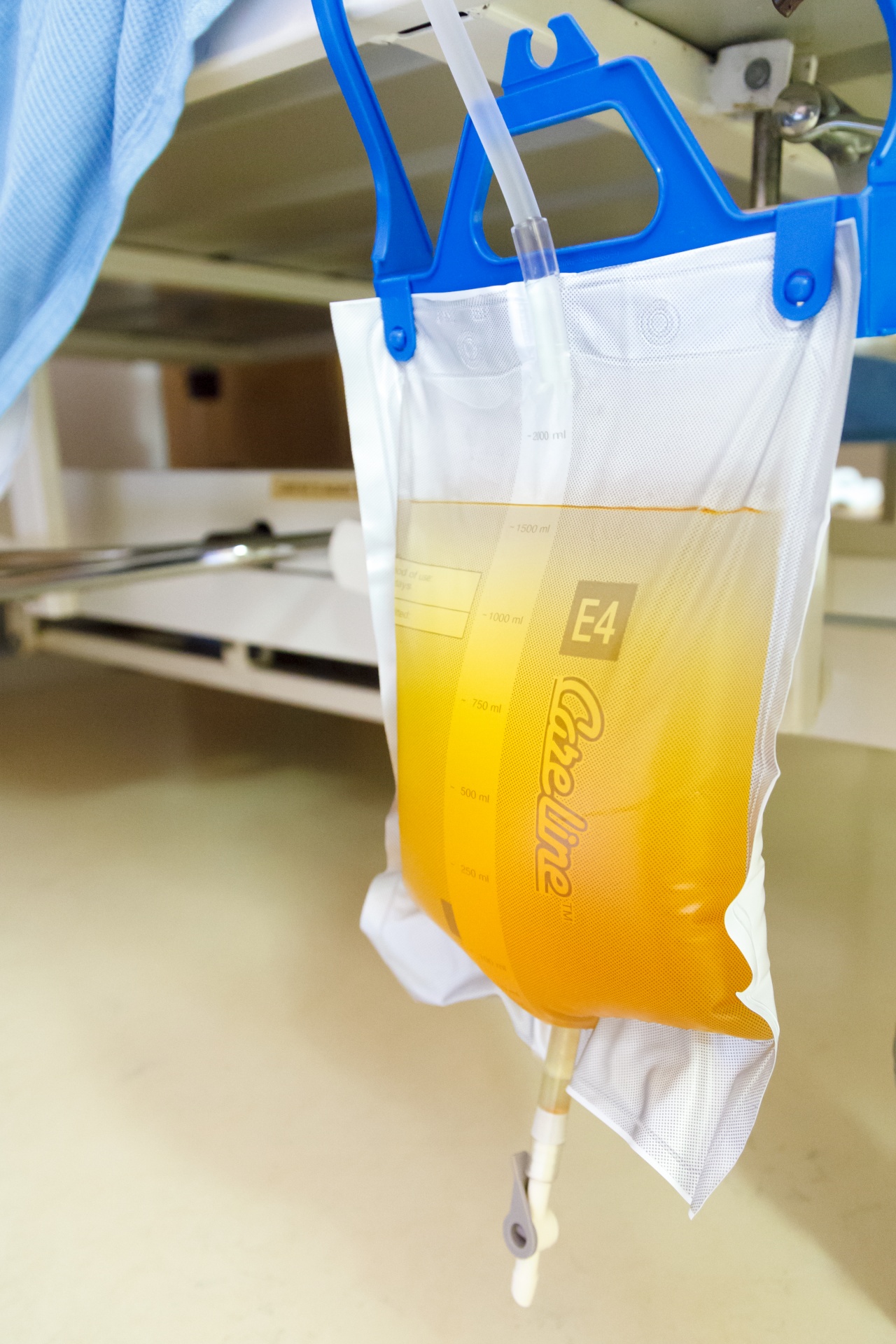
We have blogged before how CAUTI is rather ‘unloved’ as an HCAI prevention target. CLABSI reduction, on the other hand, is all the rage. Now, there is a key reason why this makes sense: outcome! A CLABSI is much worse news for a patient than a CAUTI. However, this doesn’t mean we should turn a blind eye to CAUTI, especially since CAUTI is a common root cause for CLABSI! In the US there is an addiional driver for preventing CAUTI: the costs associated with CAUTI are no longer reimbursed by insurers (since 2008). With this in mind, it was great to see a CAUTI reduction study published in NEJM recently (and see some interesting analysis on the Controversies blog).
Year: 2016
Something’s afoot..
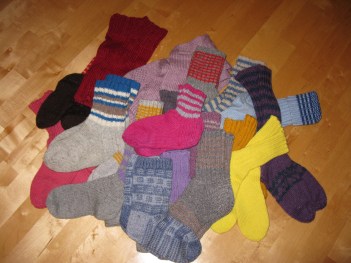
Working on the principle that what goes up must come down is logical and I was interested to see the result of a small investigation into non-slip socks, currently in vogue for reducing harm due to falls. Nik Mahida and Tim Boswell collected socks from seven wards over two hospitals, collecting 54 pairs and sampling them the same day. The results were interesting. Continue reading
Online antimicrobial stewardship course
I found out about a new free online antimicrobial stewardship course yesterday. The course is a collaboration between the the University of Dundee and the British Society for Antimicrobial Chemotherapy, and comes highly recommended. The course is designed for healthcare professionals.
If anybody completes the course, I’d be interested to hear your feedback.
Hydrogen peroxide vs. Clostridium difficile
This study has just been published in the Journal of Hopsital Infection, showing that the introduction of hydrogen peroxide vapour (HPV) for the terminal disinfection of rooms vacated by patients with CDI was assocaited with a significant reduction in the rate of CDI, from 1.0 to 0.4 cases per 1000 patient days.
Preventing carbapenem-resistant Salmonella or E.coli in foods
We welcome another guest post from Prof Peter Collignon (bio below) on the risk of antibiotic resistance in the food chain…
Codex has recently announced they are doing more work on antimicrobial resistance. This is an opportunity get Codex to have a couple of standards to better protect public health from one of the worst types of antibiotic resistance that might develop in the next few years or decade. Specifically to help prevent carbapenem-resistant bacteria transferring to people via the food chain including via imported foods into countries (some useful background on this issue from European Food Safety Authority (EFSA) here).
Balancing risk and resource for CPE screening
The PHE Toolkit recommends pre-emptive isolation for patients who meet one of the risk-factor triggers for CPE screening. Furthermore, the pre-emptive isolation recommended in the Toolkit should be continued until three negative screens are obtained, each separated by 48 hours. In what is best described as a data-based thought experiment, colleagues from Imperial tested the impact of various CPE screening strategies on the burden of contact precautions generated.
It’s time to ban colistin in food animals
Guest blogger, Prof Peter Collignon (bio below) writes…
EU proposals on colistin use in food animals are just restrictions. Why not a ban?
We are now in a situation around the world where rising levels of resistance means that for many life-threatening infections with Gram-negative bacteria such as E.coli, the only effective antibiotic is now IV colistin. Colistin (polymyxin E) is an old drug that has been resurrected for use because there are no other alternatives available – even though it has major renal and neural toxicities.
The first International Conference on Clinical Metagenomics (ICCMg)
Guest blogger Dr Etienne Ruppé (bio below) writes about a new conference in the emerging field of ‘Clinical Metagenomics’. I suspect we are all beginning to dip our toes into this challenging new arena, so I am sure this conference will be useful… Continue reading
Hand hygiene in healthcare (or the lack of it)
I had posted about Sanjay Saint’s great TED talk. He now wrote an article for the general public – based on his talk: “Hand washing stops infections, so why do health care workers skip it?”
While I am a big fan of hand rubbing (we don’t have the time to hand wash) I still feature his picture he included in his article. Have fun reading his article:
https://theconversation.com/hand-washing-stops-infections-so-why-do-health-care-workers-skip-it-58763
Counting the cost of HCAI outbreaks
There’s surprisingly little literature published on the cost of HCAI outbreaks. In this context, a useful Dutch study in PLoS ONE counts the cost of 7 HCAI outbreaks.