Christmas 2014 Update

Christmas lights

Now that you have digested your Christmas turkey, I thought that it would be a good time to send out an update. These articles have been posted since the last update:

I’m in a rather reflective mood, so time to remind you of some of the key themes from 2014: Ebola, MERS-CoV, universal vs. targeted interventions, faecal microbiota transplantation (FMT), whole genome sequencing (WGS), carbapenem-resistant Enterobacteriaceae (CRE), and some interesting developments in environmental science. And what will we be still talking about come Christmas 2015? Let’s hope it won’t be Ebola, and I think that WGS will be a lab technique akin to a Vitek machine rather than subject matter for NEJM. But I think we still have ground to cover on whether to go for universal or targeted interventions, FMT, and improving our study designs in infection prevention and control. I can also foresee important studies on the comparative and cost-effectiveness of the various tools at our disposal.

And finally, before I sign off for 2014, a classic BMJ study on why Rudolf’s nose is red (it’s to do with the richly vascularised nasal microcirculation of the reindeer nose, apparently).

Image: Christmas #27.

Who's harbouring CRE?

carbapenemase

Many of us are in the process of developing policies of who to screen for CRE carriage. I’ve recently reviewed the literature for studies of CRE carriage (Table, summarising studies evaluating faecal carriage rate of CRE, below).

Author Year Location Setting n patients n carriers % carriers
Adler1 2015 Israel CRE carriage in post-acute hospitals, 2008 1147 184 16.0
CRE carriage in post-acute hospitals, 2013 1287 127 9.9
Mack 2014 London ‘High-risk’ inpatients and admissions. 2077 7 0.3
Rai2 2014 East Delhi, India Outpatients 242 24 9.9
Zhao3 2014 Fujian, China Stool samples from hospitalized patients 303 20 6.6
Birgand4 2014 Paris, France Patients repatriated or recently hospitalized in a foreign country 132 9 6.8
Kim5 2014 Seoul, Korea ICU admissions 347 1 0.3
Girlich6 2014 Morocco Hospitalized patients 77 10 13.0
Lin7 2013 Chicago, USA Long term acute care hospitals 391 119 30.4
Short stay hospital ICU 910 30 3.3
Villar8 2013 Buenos Aires, Argentina Non-hospitalized individuals 164 8 4.9
Kothari9 2013 New Delhi, India. Healthy neonates 75 1 1.3
Day10 2013 Pakistan Patients attending a military hospital 175 32 18.3
Swaminathan11 2013 New York All admissions to 7 units, including ICU, of 2 hospitals 5676 306 5.4
Nüesch-Inderbinen12 2013 Zurich, Switzerland Healthy community residents and outpatients 605 0 0.0
Armand-Lefèvre13 2013 Paris, France ICU patients 50 6 12.0
Wiener-Well14 2010 Jerusalem, Israel Hospitalized patients 298 16 5.4
The most important question to consider when reviewing these data are whether these are CRE or CPE? The rate of carriage of Enterobacteriaceae that are resistant to some carbapenemens by mechanisms that don’t involve carbapenemase will be higher than CPE. Some studies did not report whether they checked for carbapenemase production, and those that did reported a much lower rate of CPE. For example, Armand-Lefèvre et al.13 reported a 12% carriage rate of imipemen-resistant (i.e. carbapenem-resistant) Enterobacteriaceae in ICU patients but none of these carried a carbapenemase.A number of studies report shockingly high rates of carriage. A point-prevalence study of long-term acute care hospitals in Chicago found that 30% of patients carried CRE.7 High rates of carriage were also found in long-term acute care hospitals in Israel, but a national intervention reduced the rate of carriage from 16% in 2008 to 10% in 2013.1 Perhaps even more concerning are signs that there is a substantial community burden of carriage in the Indian Subcontinent. For example, 18% of patients attending a military hospital in Pakistan carried NDM-1 producing Enterobacteriaceae,10 and 10% of Enterobacteriaceae in stool specimens from 123 outpatients in East Delhi produced a carbapenemase.2

In contrast, most studies from Europe report very low rates of carriage, particular in community residents. For example, a Swiss study failed to identify a single carbapenemase producer in a sample of 605 community residents and outpatients.12 Similarly, data published from the Royal Free in London found that only 0.3% of 2077 ‘high-risk’ patients carried CRE.

So, where does this leave us in developing our CRE screening policies? These data mean that your approach will depend where you are. If you are in the middle of New Delhi, then your approach will be different to those of us in London. It seems that CRE is currently rare in most parts of Europe but the surprisingly high CRE carriage rates in some parts of the US are particularly troubling, and should serve to keep us all on our toes.

Image: ‘OXA-48 like carbapenemase.’

References

  1. Adler A, Hussein O, Ben-David D et al. Persistence of Klebsiella pneumoniae ST258 as the predominant clone of carbapenemase-producing Enterobacteriaceae in post-acute-care hospitals in Israel, 2008-13. J Antimicrob Chemother 2015; 70: 89-92.
  2. Rai S, Das D, Niranjan DK, Singh NP, Kaur IR. Carriage prevalence of carbapenem-resistant Enterobacteriaceae in stool samples: A surveillance study. Australas Med J 2014; 7: 64-67.
  3. Zhao ZC, Xu XH, Liu MB, Wu J, Lin J, Li B. Fecal carriage of carbapenem-resistant Enterobacteriaceae in a Chinese university hospital. Am J Infect Control 2014; 42: e61-64.
  4. Birgand G, Armand-Lefevre L, Lepainteur M et al. Introduction of highly resistant bacteria into a hospital via patients repatriated or recently hospitalized in a foreign country. Clin Microbiol Infect 2014; 20: O887-890.
  5. Kim J, Lee JY, Kim SI et al. Rates of fecal transmission of extended-spectrum beta-lactamase-producing and carbapenem-resistant Enterobacteriaceae among patients in intensive care units in Korea. Ann Lab Med 2014; 34: 20-25.
  6. Girlich D, Bouihat N, Poirel L, Benouda A, Nordmann P. High rate of faecal carriage of extended-spectrum beta-lactamase and OXA-48 carbapenemase-producing Enterobacteriaceae at a university hospital in Morocco. Clin Microbiol Infect 2014; 20: 350-354.
  7. Lin MY, Lyles-Banks RD, Lolans K et al. The importance of long-term acute care hospitals in the regional epidemiology of Klebsiella pneumoniae carbapenemase-producing Enterobacteriaceae. Clin Infect Dis 2013; 57: 1246-1252.
  8. Villar HE, Baserni MN, Jugo MB. Faecal carriage of ESBL-producing Enterobacteriaceae and carbapenem-resistant Gram-negative bacilli in community settings. J Infect Dev Ctries 2013; 7: 630-634.
  9. Kothari C, Gaind R, Singh LC et al. Community acquisition of beta-lactamase producing Enterobacteriaceae in neonatal gut. BMC Microbiol 2013; 13: 136.
  10. Day KM, Ali S, Mirza IA et al. Prevalence and molecular characterization of Enterobacteriaceae producing NDM-1 carbapenemase at a military hospital in Pakistan and evaluation of two chromogenic media. Diagn Microbiol Infect Dis 2013; 75: 187-191.
  11. Swaminathan M, Sharma S, Poliansky Blash S et al. Prevalence and risk factors for acquisition of carbapenem-resistant Enterobacteriaceae in the setting of endemicity. Infect Control Hosp Epidemiol 2013; 34: 809-817.
  12. Nuesch-Inderbinen M, Zurfluh K, Hachler H, Stephan R. No evidence so far for the dissemination of carbapenemase-producing Enterobactericeae in the community in Switzerland. Antimicrob Resist Infect Control 2013; 2: 23.
  13. Armand-Lefevre L, Angebault C, Barbier F et al. Emergence of imipenem-resistant gram-negative bacilli in intestinal flora of intensive care patients. Antimicrob Agents Chemother 2013; 57: 1488-1495.
  14. Wiener-Well Y, Rudensky B, Yinnon AM et al. Carriage rate of carbapenem-resistant Klebsiella pneumoniae in hospitalised patients during a national outbreak. J Hosp Infect 2010; 74: 344-349.

ECDC data shows progressive, depressing increase in antibiotic resistance in Europe

The ECDC recently released their 2013 report, which includes 2013 data. The data are on the whole fairly depressing for more parts of Europe, with high and increasing rates of resistance to important antibiotics in common bacteria. So it was not surprising to see ECDC issue a corresponding press release focusing on worrying resistance to last-line antibiotics.

I’ve chosen a few illustrative countries from this useful interactive database. Carbapenem resistance in Enterobacteriaceae (i.e. CRE) is one of the most concerning challenges facing us right now. So it’s not good to see continued high rates of carbapenem resistance in K. pneumoniae in Greece, and the seemingly inexorable increase in Italy (Figure 1). It’s worth noting that these are invasive isolates, the majority of which would be bloodstream infections. And the mortality rate for a CRE bloodstream infection is around 50%

Figure 1: Susceptibility of Klebsiella pneumoniae invasive isolates to carbapenemsEARS-Net 2014 CRE

In some ways, the steady increase in multidrug-resistant K. pneumoniae from many parts of Europe, illustrated in Figure 2, is even more concerning than the sharp increases in CRE in some parts of Europe. If you draw a mental trend line for Italy and Portugal, it doesn’t look good.

Figure 2: Multidrug-resistant Klebsiella pneumoniae invasive isolates (resistant to third-generation cephalosporins, fluoroquinolones and aminoglycosides)EARS-Net MDR Kleb

The picture for P. aeruginosa (and I suspect the other non-fermenters like A. baumannii, which isn’t included in EARS-Net) in terms of carbapenem resistance is different to the Enterobacteriaceae (Figure 3). Rates are high in Greece, intermediate in Italy and Portugal, and low in the UK. But the trend is stable.

Figure 3: Susceptibility of Pseudomonas aeruginosa invasive isolates to carbapenemsEARS-Net 2014 CRPA

And let’s not forget about MRSA (Figure 4). The UK and some other European countries have done a tremendous job in reducing the transmission of MRSA. This has had an interesting and somewhat unexpected effect on the rate of methicillin-resistance in S. aureus, which has also reduced considerably. I suspect this is a consequence of interrupting the transmission of MRSA, but failing to prevent the spread of MSSA. Put another way, if MRSA and MSSA fell in tandem, the rate of methicillin-resistance in S. aureus would remain constant. The impressive reductions of MRSA reported in the UK have not been replicated everywhere in Europe. Portugal in particular increased from less than the UK in the early 2000s to more than the UK today. There is some evidence that the national campaign in Portugal to reduce healthcare-associated MRSA is making some impact, with a notable reduction in MRSA rate in 2013.

Figure 4: Susceptibility of Staphylococcus aureus invasive isolates to methicillin (i.e. MRSA rate)EARS-Net 2014 MRSA

In summary, it’s not all doom and gloom. The reductions in MRSA in the UK and elsewhere show that reducing the transmission of these antibiotic resistant bacteria can be done. But it takes considerable investment and national focus. Without this, it’s difficult to see the trends in antibiotic resistance, including to last-line agents, continuing to increase in some parts of Europe.

Is deliberately seeding hospital rooms with Bacillus spores a good idea? No, I don’t think so either!

A fascinating Italian/Belgian multicentre study introduces us to the idea of “biocontrol” for problematic surface contamination. They test using “live” cleaning products that deliberately seed hospital surfaces with Bacillus species spores in an attempt to reduce the ecological space for pathogenic microbes through a “competitive exclusion” approach. Ridiculous as it sounds, there’s some logic to this idea. We’re just beginning to understand the potential of complementing a depleted microbiome in human health, so perhaps the same theory goes for the “environmentome”?

The study design is on the one hand impressive and ambitious, with more than 20,000 surfaces samples collected from the three hospitals. However, it is also messy and confusing, with different intervention and sampling protocols in the three hospitals. In particular, it’s a real shame that areas were not randomized to receive the “live” vs. conventional cleaning agents. It seems clear that this was not a carefully planned multicentre study using a standardized protocol – it reads more like three separate studies shoe-horned together.

That said, the results are impressive. Areas treated with the “live” cleaning agents were significantly less likely to be contaminated with coliforms, S. aureus, Candida albicans, with a more moderate impact on C. difficile. However, it’s difficult to determine the scale of the reduction since the relative rather than actual load reductions are reported.

A neat sub-experiment at one of the hospitals is perhaps the most convincing part of the study, where conventional and “live” cleaning agents were alternated (Figure). You can clearly see that the microbial load tracked downwards when the “live” agent was used, and rebounded when the conventional agent was reinstated.

vandini bacillus sporesFigure: Bacterial load of coliforms (black circles) and S. aureus (white circles). Black arrow = beginning of the “live” cleaning agent; black dotted arrow = conventional cleaning agent.

Notwithstanding the impressive reductions, this approach is ringing some alarm bells:

  • Do we really know what we’re doing by deliberately seeding the hospital environment with bacterial spores? Almost all microbes can be pathogenic to immuno-compromised patients. Plus, whilst you know what you’re putting down, you don’t know what it will become when exposed to the selective pressure of hospitals. The authors did take a look at this, using antibiotic susceptibility testing and a PCR assay to show that Bacillus species identified from the original cleaning agents and from hospitals surfaces during study did not differ in their carriage of antibiotic resistance genes. However, this is only scratching the surface of a complex risk.
  • Where do all the pathogens go? Having an environment that is full of Bacillus spores does not make a scrap of difference to the amount of pathogens that are shed into the environment. So, either the Bacillus spores somehow reduce the amount of time that these pathogens survive on surfaces, or offer them a more complex hiding place. I suspect the latter is more likely.
  • Related to this, recent work has identified established biofilms on dry hospital surfaces with important implications. Won’t a daily dose of Bacillus spores only serve to promote the buildup of this biofilm?
  • The authors proffer some potential reasons for the lower bacterial counts, including competition for nutrients and quorum sensing to destabilize biofilms. I think these are very unlikely, because they rely on the Bacillus spores germinating on the surfaces. I suspect that the spores remain firmly as spores, and the reductions are explained by occlusion and competition for space.
  • Ethics can be a pain, but it’s there for a reason – to prevent our patients from unnecessary harm. The outcome of their ethical submission was surprising: “The two Ethics Committees stated that a formal authorization was not necessary because the probiotic products would not be directly administered to patients but exploited for cleaning of hospital surfaces only.” Applying a soup of Bacillus species spores to a patient’s room is pretty much the same thing as applying the soup directly to their skin. Personally, I’d like to choose whether or not I’m admitted to a room deliberately seeded with Bacillus spores!
  • The authors insist on calling the “live” cleaning agents ‘probiotics’, which seems misplaced. To me, ‘xxx-biotics’ implies something that is administered to a patient.

The use of “live” cleaning agents provides an interesting alternative approach to antimicrobial surfaces, or chemicals with residual biocidal activity. However, I am not sure I accept the authors stark choice as their final conclusion: When it comes down to risk management, one has to decide whether a patient should stay in an environment dominated by food grade microorganisms or in an environment harboring an elevated level of increasingly resistant pathogens.’ Personally, I’d prefer to be cared for in an environment with minimal levels of bacterial contamination, and free from contamination with pathogens. Is that too much to ask?

Article citation: Vandini et al. Hard Surface Biocontrol in Hospitals Using Microbial-Based Cleaning Products. PLoS One 2014;9:e108598.

Filling the gaps in the guidelines to control resistant Gram-negative bacteria

I gave the third and final installment of a 3-part webinar series on multidrug-resistant Gram-negative rods for 3M recently. You can download my slides here, and access the recording here.

During the webinar, I provided an overview of the available guidelines to control CRE and other resistant Gram-negative bacteria. I then identified gaps in the guidelines, in terms of definitions of standard precautions, outbreak epidemiology and who should be on the guidelines writing dream team. Finally, I discussed some controversial areas in terms of effective interventions: patient isolation, staff cohorting and selective digestive decontamination.

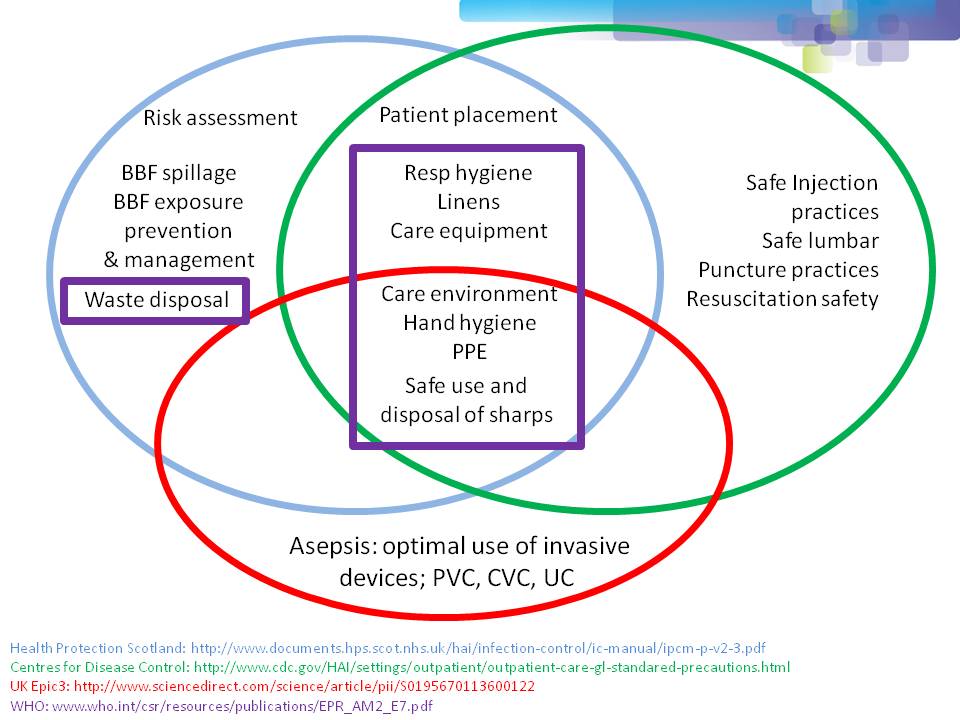
One of the most important points when considering infection prevention and control guidelines is the issue of ‘standard precautions’. What do we apply to every patient, every time? As you can see from Figure 1 below, ‘standard precautions’ is far from standardized. This is problematic when developing and implementing prevention and control guidelines.

Figure 1: differences in the definition of ‘standard precautions’.

filling gaps std precautions

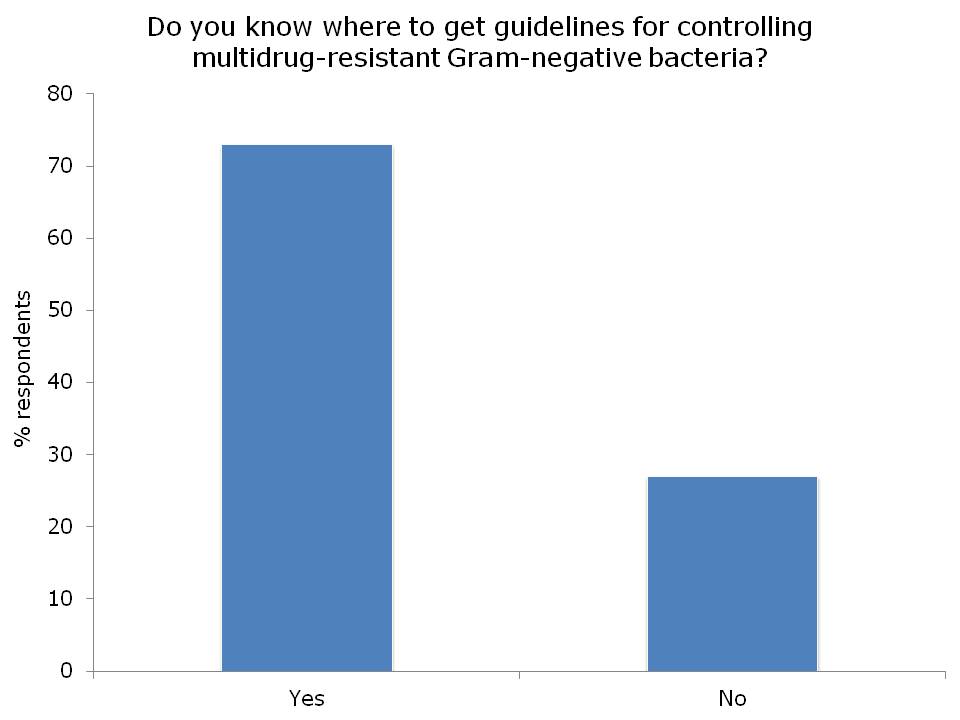
I had the opportunity to ask the webinar audience a few questions throughout the webinar, which are outlined in Figure 2.

Figure 2: response to the questions from the 120 or so participants.

filling the gaps1 filling the gaps2 filling the gaps3

I was somewhat concerned but not that surprised that more than a quarter of the audience did not know where to access control guidelines for MDR-GNR. I suppose this means that we need to do a better job of signposting the location of the various guidelines available. Here’s a non-exhaustive list for starters:

There was a fairly even split between active and passive surveillance to detect outbreaks. The problem with relying on passive surveillance (i.e. clinical cultures) is that there’s a good chance that the ‘horse will have bolted’, and you have a large outbreak on your hands, before a problem is detected. For this reason, I favour active surveillance.

But who to screen? In the case of CRE, I was pleased to see that virtually nobody said nobody. There was a pretty even split between everybody, high-risk individuals or all individuals in high-risk specialties. Accurately identifying individuals who meet screening triggers is operationally challenging, as outlined by the “backlash” to the UK toolkit, so I think screening all patients in high-risk specialties (e.g. ICU) makes most sense.

So, what works to control MDR-GNR transmission? We don’t really know, so are left with a “kitchen sink” (aka bundle approach) (more on this in my recent talk at HIS). We need higher quality studies providing some evidence as to what actually works to control MDR-GNR. Until then, we need to apply a healthy dose of pragmatism!

Journal Roundup November 2014: Journal Roundup: Ebola (again), The rise (and rise) and fall of MRDOs & Infection Prevention 2014

This month’s Roundup, as ever freely available on the Journal of Hospital Infection website, showcases some of the useful data emerging from the field of the ongoing outbreak of Ebola in West Africa. For example, emerging data suggests that the R0 (basic reproductive number) of Ebola is around 2, meaning that two transmissions will occur from every case. This means that Ebola is not massively transmissible compared with other infectious diseases – but this hasn’t stopped it increasing more or less exponentially in parts of West Africa!

Some interesting studies on the increasing or decreasing prevalence of MDROs are also covered in the Roundup. For example, one study reported a worrying doubling of the rate of CDI in the USA, whereas another study reports impressive reductions in S. aureus bacteraemia in Australia.

The Roundup includes a brief overview of the Infection Prevention 2014 conference, covered in more detail in a previous post in this blog, and finally, features Catherine Makison-Booth’s brilliant Vomiting Larry (pictured below)!

vomiting_larry

As ever, I’d be delighted to receive your feedback as to how the Roundup should evolve.

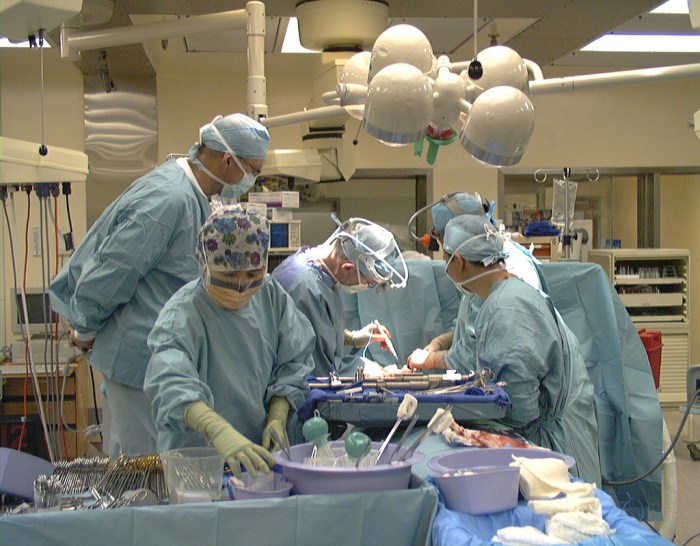
The inanimate environment doesn’t contribute to pathogen transmission in the operating room…OR does it?

OR

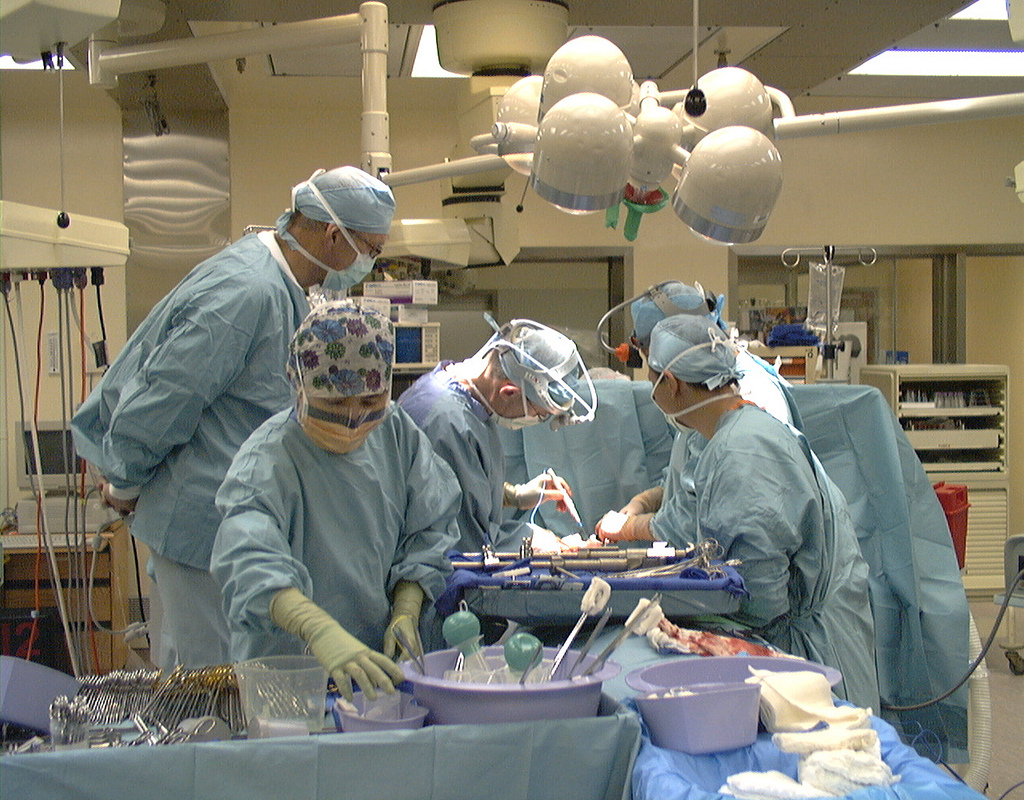
Nosocomial or hospital-acquired infections are a worldwide problem affecting millions of patients yearly and increasing morbidity and mortality. The role of the hospital inanimate environment (environmental surfaces and surfaces of medical equipment) in the transmission of certain nosocomial pathogens such as C. difficile, norovirus, MRSA, VRE and Acinetobacter is now well established supported by various studies and publications. Most, if not all of these studies, investigated the transmission process in patient rooms or ICUs. Although the role of air in the transmission of pathogens has been extensively studies in the operating room (OR) setting, do contaminated surfaces play a role in pathogen transmission in the OR?

A recent review article published in the journal “Surgical Infection” questioned whether the OR inanimate environment contributed to the transmission of pathogens, hence possibly causing infections including surgical site infections (SSIs). Few studies have investigated surface contamination in the OR and even fewer have investigated possible pathogen transmission from the environment in this setting. While the inanimate environment in the OR has been considered a potential source for pathogens that may cause SSIs for more than 100 years, the role of this environment in the patient acquisition process within this setting is still debatable. Before revealing the conclusions of the review paper, I would like to look at both sides of the argument.

THE OR INANIMATE ENVIRONMENT DOES NOT PLAY A ROLE IN PATHOGEN TRANSMISSION AND INFECTION

The patient population and length of stay

In a hospital, patients colonised or infected may spend days or even months in ward rooms or ICUs increasing the chance that these patients will contaminate their environment or acquire pathogens from that environment. The likelihood of environmental contamination or pathogen acquisition increases with the length of hospital stay as well as other factors such as gross contamination and soiling.

In the OR setting however most patients spend only few hours under full or partial anaesthesia. This makes it less likely that these patients will contaminate their environment or acquire pathogens from the environment (by self inoculation at least). In addition, although gross contamination via blood for example is common, other type of gross environmental contamination linked to transmission such as diarrhoea and vomiting are less likely to occur in an OR.

The OR environment (surfaces and air)

Unlike most patient rooms, OR air quality is well regulated to prevent contamination via the air. This not only reduces the risk of infection via airborne pathogens but also reduces the amount of pathogens settling on and contaminating environmental surfaces in ORs. In addition, the OR inanimate environment is routinely cleaned/disinfected. Most ORs are cleaned at the end of the working day and many surfaces and areas are cleaned before and between surgeries with strict policies on how to deal with gross contamination (e.g. blood and tissue).

Minimising infection risk

As most SSIs are thought to originate from patients’ or healthcare personnel’s own flora, many interventions are in place in ORs to minimise the risk of contamination and infection. These include policies for hand scrubbing and disinfection, gloving, masks, and the proper preparation of patients’ skin before incision. The instruments used in surgery are also routinely sterilised before surgery to minimise the risk of infection.

Organisms involved in SSIs

The hospital environment has been implicated in the transmission of a number of pathogens including norovirus, C. difficile, MRSA, VRE and Acinetobacter. These pathogens are able to contaminate the environment at a high load and survive for long period of time facilitating transmission and acquisition.  While infections with these organisms can be acquired in the OR, with the exception of Staphylococcus species, these pathogens are not the major causes of SSIs. The environmental resilience of other organisms involved in SSIs is not well characterised and it is unclear whether they can survive long enough in the environment to be transmitted.

THE OR INANIMATE ENVIRONMENT IS A SOURCE OF PATHOGENS THAT CAUSE INFECTION

The OR environment

ORs are busy, with many personnel involved during a surgical procedure, some of whom come and go in and out of the OR during the process. It is also an environment with multiple and frequent contact between personnel, patients and the environment including medical equipment. It is difficult if not impossible to observe the WHO’s 5 moments for hand hygiene in such an environment, or to clean and disinfect the environmental surfaces effectively during a surgical procedure. Organisms originating from the floor of the OR can also be disturbed by walking and are taken into the air which may increase the risk of infection.

The OR inanimate environment is contaminated

Many people in the general public think of ORs as ultra clean, even sterile, environments. For anyone working in ORs, it is clear that this view is far from the truth. Although modern ORs have strict measures to reduce contamination, the OR inanimate environment becomes contaminated with various organisms including those involved in SSIs. Studies have reported contamination of various OR areas such as anaesthesia equipment, beds, intravenous pumps and poles, computer keyboards, telephones and OR floors.  A variety of pathogens capable of causing infections have been identified including Gram-negative bacilli such as Acinetobacter and Pseudomonas species, Staphylococcus including (MRSA) and Enterococcus. These results may be in part due to the fact that suboptimal cleaning in ORs is a widespread issue in hospitals.

Pathogen transmission occurs in ORs

A number of studies in ORs focusing on the role of anaesthesia equipment and providers in the contamination and transmission of pathogens in ORs have concluded that the hands of anaesthesia providers, patient IV tubing and the immediate patient environment were contaminated immediately before or during patient care with a wide range of bacterial pathogens leading to transmission. Transmission of pathogens from and to the hands of the anaesthesia providers involving the inanimate environment occurs frequently given the frequent contact with the environment in ORs.

Human behaviour in ORs contributes to environmental contamination and transmission

We are all familiar with the view that surgeons tend to be the worst healthcare workers as far as hand hygiene compliance is concerned. However, this is only the tip of the iceberg regarding lapses in infection prevention in ORs. For instance, anaesthesia provider’s behaviour and attitude including confusion on when and how often to perform hand hygiene during a procedure is a common cause of pathogen transmission. In one study, anaesthesia providers touched 1,132 objects during 8 hours of observations in OR, but only performed a total of 13 hand disinfections. No hand disinfections were witnessed at any time during 3 (43%) of the procedures observed. Furthermore, hand hygiene failed to precede or follow procedures, blood exposure or contact with the floor. Alarmingly, it has been reported that objects that fall onto the OR floors during surgery were frequently placed back either on to horizontal work surfaces or even on to the patients themselves during operations.

THE CONCLUSION

It is clear that the inanimate environment of the OR, including medical equipment, can become contaminated with pathogens that cause infections including SSIs. These pathogens can then be transmitted to the hands of healthcare workers and have the potential to cause infection. Further studies are necessary to quantify the role of contaminated surfaces in the transmission of pathogens and to inform the most effective environmental interventions in the ORs. Given the serious consequences of SSIs, special attention should be given to the proper cleaning and disinfection of the inanimate environment in ORs in addition to the other established measures to reduce the burden of SSIs. These include addressing the human behaviour that contributes to environmental contamination and transport of surface pathogens into the vulnerable sites of patients during surgery. Such measures include reducing human traffic in ORs, stricter adherence to the standard operating protocols during procedures, and compliance with proper hand hygiene and gloving. Specific hand hygiene guidelines tailored to OR personnel may be needed given the large number of hand contact events per hour in these settings.

Image: NIH Library.

Being bitten by antibiotic resistant CRAB hurts! (Acinetobacter that is.)

Acinetobacter pink

Guest bloggers Dr. Rossana Rosa and Dr. Silvia Munoz-Price (bios below) write…

In everyday practice of those of us who work in intensive care units, a scenario frequently arises: a patient has a surveillance culture growing carbapenem-resistant Acinetobacter baumannii (CRAB). While the ultimate course of action we take will be dictated by the patient’s clinical status, that surveillance culture, in the appropriate context, can provide us with valuable information.

For this study1, we looked at a cohort of patients admitted to a trauma intensive care unit, and sought to identify the risk factors for CRAB infections. We found that patients who had surveillance cultures positive for CRAB had a hazard ratio of 16.3 for the development of clinical infections with this organism, compared to patient’s who remained negative on surveillance, even after adjusting for co-morbidities and antibiotic exposures. Since our results were obtained as part of a well-structured surveillance program, we know that colonization preceded infection.  Unfortunately for some of our patients, the time from detection of colonization to development of clinical infections was a matter of days. With therapeutic options for the effective treatment of infections with CRAB limited to tigecycline and polymixins, the consequences of delaying therapy are often fatal. As described by Lee et al, a delay of 48 hour in the administration of adequate therapy for CRAB bacteremia can result in a 50% difference in mortality rate2.

Surveillance cultures are not perfect, and may not detect all colonized patients, but they can be valuable tools in the implementation of infection control strategies3, and as we found in our study, can also potentially serve to guide clinical decision that impact patient care and even survival.

Bio:

TICU_photo1_031914

Dr. Silvia Munoz-Price (centre left) is an Associate Professor of Clinical Medicine at the Institute for Health and Society, Medical College of Wisconsin, currently serving as the Enterprise Epidemiologist for Froedert & the Medical College of Wisconsin. Dr. Rossana Rosa (centre right) is currently an Infectious Diseases fellow at Jackson Memorial Hospital-University of Miami Miller School of Medicine. She hopes to continue developing her career in Hospital Epidemiology and Infection Control.

References

  1. Latibeaudiere R, Rosa R, Laowansiri P, Arheart K, Namias N, Munoz-Price LS. Surveillance cultures growing Carbapenem-Resistant Acinetobacter baumannii Predict the Development of Clinical Infections: a Cohort Study. Clin Infect Dis. Oct 28 2014.
  2. Lee HY, Chen CL, Wu SR, Huang CW, Chiu CH. Risk factors and outcome analysis of Acinetobacter baumannii complex bacteremia in critical patients. Crit Care Med. May 2014;42(5):1081-1088.
  3. Munoz-Price LS, Quinn JP. Deconstructing the infection control bundles for the containment of carbapenem-resistant Enterobacteriaceae. Curr Opin Infect Dis. Aug 2013;26(4):378-387.

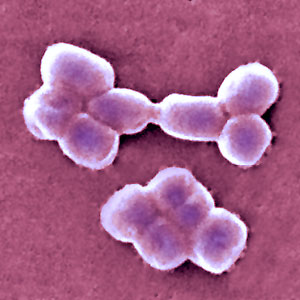
Image: Acinetobacter.

Reflections from HIS 2014, Part III: Education, communication, and antibiotic resistance

HIS_Web_Banner_Jpeg

Welcome to the third and final installment of my reflections from HIS 2014. You can access the ‘box set’ via the list at the start of Part I.

Prof Alison Holmes – Impact of organisations on healthcare-associated infection

Self-professed pragmatist Prof Holmes reminded us that the perceived and actual priorities of society, politicians and healthcare systems mean that it’s not all about infection control. We must harness macro (inter-hospital) and meso (inter-departmental) and micro (inter-team) relationships to successfully control transmission. This requires shared beliefs, reinforcement systems, role models, and the right staff skills. Plus, we need to get HCAI on the metric dashboard of CEOs. Indeed, HCAI outcomes are a sensitive surrogate marker of organisation performance, so this should be attractive to the hospital CEO once understood. We also need to embrace the public to tackle antibiotic resistance. Government messages about reducing antibiotic resistance have helped our day job (and proved popular on Twitter)! Involving patients and the public in our research makes everybody happy; patients and the public like it, and it improves our research (and helps to win grants). We need to embrace ‘mHealth’ in all its forms – games, apps and more – remembering that dinosaurs became extinct. The bottom line? Organisational, structural and managerial issues are crucial for the prevention of healthcare-associated infection (and the Lancet ID agrees).

Prof Herman Goossens – European Antibiotic Awareness Day

eaad 2014

Since it was the occasion of European Antibiotic Awareness Day (EAAD) 2014, the talk from the impressive Prof Goossens was well timed! EAAD is a campaign aimed at the public and professionals to highlight the issues around antibiotic use and resistance. Many of the campaign materials are useful, including a toolkit for self-medication without antibiotics and various infographics. Prof Goossens spent some time discussing how to measure the impact of EAAD. A lot of questionnaire type surveys have been performed, and it does seem that EAAD has prompted a swing towards a better understanding of antibiotics, so well done to all involved.

What’s hot and what’s not in infection prevention and control?

Dr Jenny Child (JHI Editor) presented a view of the literature through the eyes of a journal editor! Bad research can do much damage:  look no further than the MMR & autism debacle. Worth remembering that indifferent, uncitable papers will not get published; it’s just not in the journal’s interest. Also, clever, ‘pseudo-scientific’ language is a barrier to good science. The bigger the journal, the plainer the language. Finally, whilst JHI has traditionally been a quantitative medicine journal (with p values and 95% confidence intervals!), like it or not, social science is coming!

I gave a talk on ‘What’s trending in the infection prevention and control literature’. You can access the slides and recording on a separate blog, here. Finally, Dr Jim Gray (JHI Deputy Editor) scanned the horizon of the infection control literature, seeing studies with specific interventions and real clinical outcomes (not proxy measures), SSIs, antibiotic resistance (especially CRE), obesity, design & technology, diagnostics and decontamination!

Antibiotic stewardship: persuasion or restriction?

Esmita Charani began by explaining the need to achieve behaviour change, not education in isolation, in order to effectively moderate antibiotic prescribing behaviour. The local prescribing culture is likely to influence prescribing policy more than the national guidelines. Junior doctors often don’t have a clue what to prescribe, so it’s a case of follow-my-leader (i.e. consultant). But targeting hospital consults alone won’t get us out of the mess of antibiotic resistance. We need to engage a wider audience, including the public.

Meanwhile, Prof Inge Gyssens outlined the impact of antimicrobial restriction: contribute to MRSA reductions, prevent the emergence of MDR-GNR, and may help to bring outbreaks under control. The only downside is that switching to another antibiotic may cause more problems than it solves – a ‘squeezing of the balloon’ type effect. In a way, doctors are “addicted” to antibiotics. Put simply, antibiotic stewardship through restriction is a ‘cold turkey’ approach that works.

Although not a formal debate, Esmita Charani and Prof Gyssens did a good job of presenting both viewpoints. I was left concluding that both persuasion and restriction are important but when it comes down to it, restriction is more important than persuasion. Left to their own devices, antibiotic prescribers will sometimes make poor choices; restriction takes away that choice!

Summary

I really enjoyed HIS 2014 – especially the opportunity to contribute to the conference via my talk (on trends in the IPC literature) and poster round. The conclusion of my talk was to look into my crystal ball and highlight what will be trending by the time HIS 2016 comes around:

  • I’m pretty certain that Ebola and MERS will not be trending (at least I hope not). However, the scars of Ebola in West Africa will take a generation to heal. There’s a chance that we could be experiencing the next Influenza pandemic, but it’s more likely we’ll be talking pandemic preparedness.
  • Whilst I personally favour targeted interventions, I fear there will be a general move towards universal interventions. I also fear that the confusing ‘vertical’ (aka targeted) vs. ‘horizontal’ (aka universal) terminology will be widely adopted, despite the fact that it’s confusing!
  • Faecal microbiota transplantation is only going to get bigger. It will be the standard of care for recurrent CDI by the time the next HIS conference comes around – perhaps even via oral ‘crapsules’.
  • Whole genome sequencing will not be as trendy as it is right now – it will just be a standard tool that we all use.
  • The trend of CRE (and other multidrug-resistant Gram-negatives) is only going to go one way – upwards!
  • I’m hoping to see some high-quality studies (ideally cluster RCTs) of environmental interventions with clinical outcomes.
  • Finally, as we all deal with increasing cost constraints, studies evaluating the cost-effeteness of infection prevention and control interventions are going to become increasingly important.

Reflections from HIS 2014, Part II: Dealing with the contaminated environment

HIS_Web_Banner_Jpeg

Welcome to Part II of my reflections from HIS. For the box-set, see the list at the beginning of Part I here.

Dr Karen Vickery – Multispecies biofilms on dry hospital surfaces – harbouring and protecting multiantibiotic resistant organisms

Probably the most important update from the entire conference was more data from the Vickery lab on biofilms on dry hospital surfaces. She excised 44 dry surface samples from the ICU, put them under the electron microscope and, lo and behold, 41 of them (93%) had fully-fledged (if somewhat unusual) EPS-producing biofilms on! The implications are huge: this could explain extended surface survival, poor success rate of surface sampling, and result in reduced biocide susceptibility up to the tune of 1000x (see my review just published in JHI with Karen as a co-author for more on biocides and biofilm susceptibility).

Dr Silvia Munoz-Price – Controlling multidrug resistant Gram-negative bacilli in your hospital: We can do it so can you!

Dr Munoz-Price described her hospital’s impressive reductions on carbapenem-resistant A. baumannii – from 12 new isolates per week to virtually none today. So what worked? It’s difficult to be sure since it was a bundled intervention. Dr Munoz-Price described the rationale behind some elements of the bundle: environmental surface and staff hand sampling to visualize the invisible, environmental cleaning and disinfection to deal with the ‘fecal [sic] patina’ [a stooly veneer emanating from the rectum] (see Dr Munoz-Price and Dr Rosa’s guest blog for more details), and chlorhexidine bathing. Perhaps the most interesting aspect was the various implementation challenges that were overcome. It was amazing how far removed practice ‘in the trenches’ was from the policy set by the epidemiologist’s office, exemplified by environmental staff buying their own UV lamps to for “spot cleaning” removal of fluorescent markers of cleaning thoroughness. Overcoming these challenges required more that the stick (citations for non-compliance, which failed); culture change takes understanding, time and a very large carrot (and some sticks too, sometimes).

Jim Gauthier – faeces management

A number of key pathogens are associated with faecal colonization and shedding: C. difficile, VRE, ESBL and CRE. Jim didn’t mention MRSA, but this can also cause gastrointestinal colonization and, more controversially, infection. Enterobacteriaceae can survive on dry surfaces for longer than you’d expect, too. We traditionally worry about surface contamination of high-touch sites in inpatient settings. Floor contamination isn’t important (unless you happen to be a wheel chair user, a toddler, or drop your pen). Contamination in outpatient settings isn’t a problem either (unless you happen to have a fairly short consultation for a patient with VRE). So, what to do? Jim introduced the idea of a ‘hierarchy of control’; put another way, prevention is better than cure, so do we have the right systems in place to manage faeces which is teeming with hospital pathogens? For example, should we be enforcing mandatory contact precautions for all contact with faeces (standard precautions – which aren’t very standard anyway – are probably not adequate)? Finally, Jim mentioned the growing importance of faecal microbiota transplantation (and hearing a Canadian speak about this reminded me of a hilarious spoof video).

No-touch automated room decontamination (NTD)

medical equipment in a hospital roomFigure: Hospital bed rails are frequently contaminated, and often not easy to clean and disinfect using conventional methods. 

Paul Dickens – establishing Ebola surge isolation capacity in the UK

Paul Dickens gave a whistle-stop overview of the detailed plans for Ebola surge capacity in the UK (perish the thought). He began by describing the replacement of formaldehyde with hydrogen peroxide vapour for the decontamination of the patient isolators at the Royal Free High Level Isolation Unit (HLIU). They now have a tried and tested process and protocols in place to get the HLIU back online within days using hydrogen peroxide vapour decontamination, where the previous protocol using formaldehyde put it out of action for 6 weeks! (I was involved in writing the protocols for this tricky decontamination assignment, which were reported on a poster published at HIS.) Other challenges in establishing surge capacity include staff expertise, and PPE recommendations, supply & training. Surge capacity is now established. Let’s just hope we won’t need it!

Dr Frédéric Barbut – How to eradicate Clostridium difficile spores from the environment

There’s now plenty of evidence that contaminated surfaces contribute to the transmission of C. difficile. These environmental intervention studies show a 50-80% reduction in the rate of CDI; does this mean that 50-80% of CDI acquisition is environmentally-associated? This seems too high, but it’s difficult to think of another explanation. Furthermore, there is emerging but compelling evidence of a proportional relationship between the degree of C. difficile surface contamination and transmission risk? I really don’t think that the public have yet ‘got’ that the previous occupant can influence acquisition risk. And when they do, I think there will be increasing demand for properly decontamination rooms. So, is it time to turn to NTD systems? Sometimes, yes. And do you go for hydrogen peroxide or UV? Well, that depends on what you’re trying to achieve! If you’re trying to eliminate pathogens, which sometimes you will be, then hydrogen peroxide vapour is the best choice. But if you’re trying to reduce contamination levels without necessarily eliminating all pathogens, then UV is the best choice due to its speed and ease of use.

The debate: “Hospitals that do not use high-tech decontamination of the environment are doing their patients a disservice.”

This debate pitted Profs Hilary Humphreys and Phil Carling (pro) against Peter Hoffman and Martin Kiernan (con). It was lively, entertaining and engaging…

Prof Humphreys argued that it is not acceptable to admit patients to rooms with inherent additional risk for transmission. We can address this by ‘walking like the Egyptians’ and copperising our surfaces, for which there is now some data with a clinical outcome. Another approach is NTD systems, for which data (including some clinical outcomes) are emerging. Prof Carling’s presentation was somewhat unusual, with his arguments seemingly an appeal to common sense rather than drawn from the published literature.

Martin Kiernan began by acknowledging the role of the environment, but that hand contamination is almost always the final vector (and there’s some evidence for this). The cornerstone of Martin’s argument was that whether NTD systems work is the wrong question. We should be focusing our time, money and attention on improving conventional methods which have been shown to reduce transmission. Peter Hoffman complemented Martin’s pragmatic viewpoint with thorough, thoughtful critiques of the studies on HPV decontamination with a clinical outcome. The 2008 Boyce study has more holes than the 2013 Passaretti study, which itself is far from watertight!

The key argument for turning to NTD systems is that admission to a room previously occupied by a patient with an MDRO increases the risk of acquisition due to residual contamination, and NTD decontamination mitigates this increased risk. So, my own conclusion is that hospitals that do not use high-tech decontamination of the environment are indeed doing their patients a disservice. Sometimes!

Look out for the third and final installment of my reflections from HIS 2014 at some point tomorrow!

Image: Medical equipment in a hospital room.