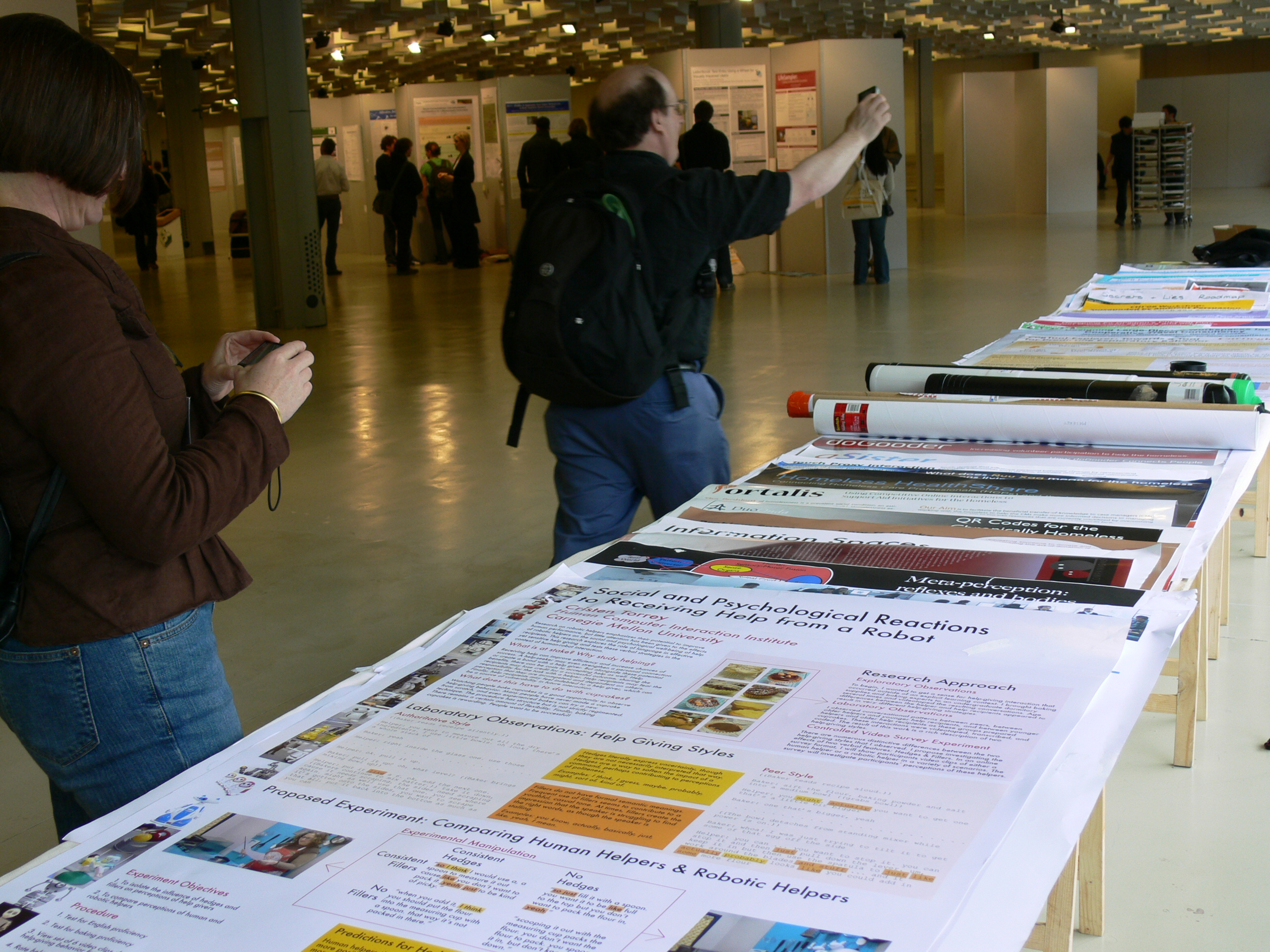
HIS Poster Round: Dealing with contaminated hands, surfaces, water and medical devices

poster round

I was delighted to be asked to lead a poster round at the Healthcare Infection Society (HIS) conference. I was a bit disappointed to see that the poster sessions are tacked on to the end of the day (when everybody’s had enough and really just wants to retreat to their hotel room for an hour before the evening’s activities). My view is that posters are the lifeblood of conferences (and I am not alone in this view); they should have much more prominence, with a “ringfenced” session integrated into the main program.

Anyway, whinge over, I thought I’d share which posters I chose, why I chose them, and what I want to know about them.

You can access the abstracts here.

GENERAL CATEGORY

#3200 Longhurst et al. Hand drying methods in NHS England Trusts, September 2013.

I chose this poster because it’s becoming increasingly clear that the choice of hand drying method can influence the degree of bacterial contamination. Also, whilst I accept the economic and environmental benefits of jet and warm air dryers, they always seem to leave my hands a bit damp. (Perhaps I just have sweaty palms.) Anyway, this is what I want to know about this poster:

  • Why did you feel the need to ‘enforce’ a response by using the Freedom of Information act?
  • Why do you think jet / warm air dryers were rare in clinical areas?
  • Do you think that jet and to a lesser extent warm air dryers result in dangerous dispersal of microbes?

#3349 Tang et al. A 3 year hand hygiene program to increase compliance rate for heatlhcare providers in the A&E Department of Tuen Mun Hospital in Hong Kong.

There’s not a lot of data on hand hygiene compliance in A&E. A 2005 study examined compliance with hand-washing in the TV show ER, reporting a hand hygiene compliance rate of 0.2%. Yep, that’s ZERO POINT TWO PERCENT! Although reality is marginally better (according to this review), there’s work to be done, so I chose this poster mainly because of the impressive impact in improving hand hygiene compliance. My questions are:

  • Which of the barriers to hand hygiene that you mention do you think is most important?
  • Who was on your task-force to decide what to do?
  • How many people completed the questionnaires?
  • How many observations were done in each time period?
  • How do you measure that the awareness of hand hygiene increased?

#3174 Khanafer et al. Hospital management of Clostridium difficile infection: a literature synthesis

This is a novel review of the literature: using the ORION checklist to capture variables that help us to determine what works to control CDI from outbreak reports and intervention studies. Here’s what I want to know:

  • Can we really derive anything useful about which intervention works when you have more than one variable, even if studies are reported in a structured way? (High school science is pretty clear: change one variable at a time!)
  • How can these % reductions be so high when (apparently) only 30% of CDI is hospital-acquired (according to some people’s interpretation of the Oxford WGS difficile study)?
  • Which is the single most important intervention to prevent CDI transmission?

ENVIRONMENT CATEGORY

#3285 Cunningham et al. VRE Outbreak Control – the Need for Speed (Use of Molecular Technology)

Two of my favourite subjects: VRE and rapid diagnostics! Here are my questions:

  • Why bother trying to control VRE? Some pretty persuasive voices are arging that it’s not worth it!
  • Are you sure that rapid diagnostics made the difference? You also introduced enhanced cleaning / disinfection, extra screening, pre-emptive isolation, and extra staff and equipment.
  • How do you explain the four clusters?
  • Did you culture in parallel? If so, what was the sensitivity and specifity of the PCR test?

#3312 Whiteley et al. The problem of rapid ATP systems may be scaling using Relative Light Units (RLU)

This poster wins the prize for the most detailed poster in conference history; I think they’ve squeezed enough words in for a full length article. But the findings are important. All ATP bioluminescence systems are not equal: a way to standardize RELATIVE light unit (RLU) output would be extremely useful.

  • What is ‘coeffecient of variance (CoV)’, and what does it mean?
  • Does lower CoV = a better ATP bioluminescence system?
  • Clearly, hand held luminometers will not match HPLC in terms of accuracy, but what should our ‘CoV’ tolerance be?
  • Do you have a way to distinguish variaibilty of sampling (i.e. pickup of ATP on the swab) from variability in ATP detection by the device?
  • Would ATP correlate better with microbial concentration if device variability were removed (e.g. through HPLC analysis)?

#3393 Maynard et al. The use of Pseudalert® for the routine analysis of water samples by engineers

I like technology and I like innovation, so this is right up my steet. Here’s my questions:

  • How does the limit of detection for Pseudalert (1 cfu / 100 mL) compare with conventional culture, in theory?
  • How much training is required to use it?
  • Why 100 mL for Pseudalert, and 500 mL for culture?
  • Is culture the gold standard method? If so, the specificity of Pseudalert in Hospital 1 is terrible!

DEVICE-RELATED INFECTION CATEGORY

#3197 Farrugia et al. Reducing methicillin resistant Staphylococcus aureus (MRSA) bacteraemia in haemodialysis patients within a high incidence setting

I chose this poster purely for the dramatic reduction in MRSA bacteraemia in a specialist setting. I would like to know:

  • Is the high initial rate explained by haemodyalisis cathethers being left in for too long?
  • ‘Prevalence of CA-MRSA 8.8%’? What does this mean? 8.8% of healthy individuals carrying CA-MRSA, or 8.8% of hospital MRSA is community-associated clones?
  • Lots of interventions – do you have a feel for which was most important?

#3277 Stenger et al. A hydrogel interpenetrating polymer network in vascular catheters loaded with thioridazine and dicloxacillin facilitates slow surface release and inhibits staphylococcal biofilm formation in vitro and in vivo

I am interested in approaches that replace the traditional use of antibiotics with biocides (which have a much lower risk of promoting bacterial resistance). Whilst this catheter was dosed with an antibiotic, I think the technology could theoretically be dosed with any biocide. Also, I’m fascinated by the application of an anti-psychotic drug in infection control:

  • Please explain the principle of ‘interpenetrating polymer network’ (IPN).
  • Could this same technology be used to dose the catheters with any drug or biocide?
  • Can you modify the rate of release?
  • Who on earth decided to see whether an anti-psychotic drug (thioridazine) has antibacterial properties?

If anybody has any answers to my questions, please fire away!

Image: Andrea Wiggins.

ID Week 2014 as seen by an Infection Preventionist

id week 2014

Guest Blogger Barley Chironda (bio below) writes…

IDWeek was held this year from Oct 8 to 12, 2014 in Philadelphia. IDWeek is the combined annual meeting of the Infectious Diseases Society of America (IDSA), the Society for Healthcare Epidemiology of America (SHEA), the HIV Medicine Association (HIVMA), and the Pediatric Infectious Diseases Society (PIDS). Given its wide ranging audience, there are many targeted streams that allow a range of topics. The abstract sessions featured over 1700 posters and are now already published and available in Open Forum Infect Dis (Fall 2014) as well as the abstracts from the oral presentations.

I have decided to create ‘buckets’ to best capture the various conference topics that I attended (Global outbreak threats, Surveillance in the hospital and the community, Infection control topic by topic, and Future issues for infection prevention). You will notice an emphasis on the Infection Prevention and Control (IPC) aspects of the sessions that are summarised. Please blame this on the fact that my bread is buttered this way!

Global outbreaks threats

Ebola

Ebola dominated the conference, starting with the jam-packed first talk by Dr Robert Fowler on behalf of the World Health Organization. He shared personal experience of caring for patients in Sierra Leone and supportive care measures that can be implemented in resource-poor settings. This was followed by Bruce Ribner, MD, MPH, of Emory University his talk the Opening Special Plenary Session titled Treating Patients with Ebola Virus Infection in the U.S.: Lessons Learned [1] addressed the unique challenges of how to manage Ebola cases. Dr Ribner drew from the experience at Emory and highlighted all the relevant issues that need critical considerations (see summary of talk). He also mentioned that the PPE type, though important, is part of a multimodal approach to infection control and therefore encouraged healthcare facilities to prepare and practice for the potential of receiving an Ebola patient.

MERS Coronavirus

It has been two years since the first global cases of MERS-CoV were first reported [3]. Dr Tariq Ahmed Madani, from the Ministry of Health, Saudi Arabia, in a talk aptly titled: “MERS Coronavirus – The Second Year” shared what he felt are the main problems that caused the uncontrollable outbreaks in hospitals. He condensed it to three points; i) overcrowded emergency departments, ii) suboptimal infection prevention practices, and iii) atypical presentation of patients. He proceeded to show evidence of camel to human transmission of MERS-CoV [4].

Surveillance in the hospital and the community

An entire symposium was dedicated to the revision of strategies to prevent healthcare-associated infections in acute healthcare titled ‘The Compendium’ [5]. A couple of interesting points were shared under the banner of the symposium.

  • Dr Deborah Yokoe’s talk “Highlights of the Compendium of Strategies to Prevent Healthcare-associated Infections in Acute Care Hospitals: 2014 Updates” [6] shared the complicated collaborative process involved in updating the 2008 recommendations [7] on Hand Hygiene, Clostridium difficile, CLABSI, CAUTI and VAPs.
  • Dr Michael Howell in his talk “From VAP to VAE: Preventing Complications of Mechanical Ventilation” stated the confusion surrounding VAP surveillance is causing incomparable surveillance patterns. Instead of the CDC VAP definition, he offered the alternative, i.e. Ventilator Associated Events (VAE), which the audience felt was a more objective and measurable way of establishing harm related to ventilators [8].

An entire session was dedicated to how technology is now being used to conduct surveillance and gather information on outbreaks. For example, Dr John Brownstein revealed how software applications that are used daily by the public can allow Public Health institutions to predict outbreaks sooner than the current methods of conventional flu surveillance networks. He showed how from a cancelled dinner reservations [7] or public searches online one can deduce that influenza outbreaks are ravaging [10], also showing how a computer algorithm predicted the Ebola Outbreak before the WHO announced it.

Infection control, topic by topic

Clostridium difficile (Cdiff)

  • Dr Tim Peto spoke about the Clinical Treatment and trials of Cdiff, sharing research about the use of whole genomic sequencing (WGS) in evaluating efficacy of new drugs against Cdiff. Dr Peto also partnered with Dr Derrick Crook in showcasing a myriad of applications of WGS, including as an outbreak management tool in infection control.
  • Dr Colleen Kelly shared her study showing that Fecal Microbiota Transplantation appears to be a safe and effective treatment for recurrent, refractory, or severe CDI especially in a high-risk population of immunocompromised patients.
  • Dr Curtis Donskey’s talk was on “Frequent transmission of Clostridium difficile by Asymptomatically colonized Long-Term Care Facility Residents during Hospital Admissions”. In his study, Donskey swabbed all long-term care patients on admission to hospital and realised that asymptomatic patients shed Cdiff spores and often can cause outbreaks [11]. Dr Donskey reminded us of the need to ‘strategize’ on asymptomatic carriage of Cdiff.
  • Dr Trevor Lawley (“Identifying commensal bacteria that provide resistance against Clostridium difficile Infection”) spoke about the advances in understanding of the microbiota in dealing with bacterial infections.

Healthcare cleaning & disinfection

  • Dr Mark Rupp’s “Assessing Cleanliness and Motivating Environmental Service Workers” talk went through various auditing tools including microbiological methods, fluorescence monitoring and basic observation of staff cleaning. He also shared some new studies that show that positive attitude affects the quality of hospital housekeeping. He also shared a study that the time spent cleaning a hospital room does not correlate with the thoroughness of cleaning.
  • Dr Deverick Anderson’s “Evaluating No-Touch Disinfection Systems” went through Ultraviolet, Hydrogen Peroxide Vapour (HPV) and self-disinfecting surfaces. Sharing his data on reducing UV room disinfection time as well as the data on the excellent efficacy of HPV he did caution adoption of impregnated surfaces citing research that more analysis is still needed.

Posters on cleaning & disinfection

  • 1363 The Iowa disinfection cleaning project: opportunities, successes and challenges of a structured programmatic intervention in 56 hospitals.
  • 1366 Surfaces closest to the patient have a higher multi-drug resistant organism (MDRO) bioburden on environmental surfaces in healthcare facilities.
  • 1368 Assessment of environmental cleanliness in outpatient clinics – study showed that more work is needed in outpatient clinics.

Future issues for infection prevention

Stopping contact precautions on MRSA and VRE was a topic raised by Dr Michael Edmond and he covered elements that have been raised on his blog, and featured prominently at the SHEA conference earlier in the year. He concluded that with advances in hand washing and the use of chlorhexidine, there is no need to maintain contact precautions for MRSA and VRE. In addition, it was made clear during the conference that antimicrobial stewardship will play a huge role going forward in ensuring that the antibiotics that are in formulary will still remain effective.

Summary

As an Infection Preventionist, the talks offered plentiful choice and sometimes presented a challenge as to where to go since sessions of interest often ran concurrently. Unfortunately, as cloning is not widely available, I managed to stay in the loop about all talks of interest to me by following the #IDWEEK and #IDWEEK2014 hashtags on Twitter and Instagram, where attendees where tweeting from the various sessions allowing a more complete conference experience. I managed to make a lot of friends at ID Week 2014, and I am looking forward already to ID WEEK 2015!

Barley Chironda Bio

 Barley Chironda

Barley Chironda is a board Certified Infection Preventionist. He is typically found engaged in motivating hospital staff, patients and visitors on proper infection prevention practices and quality improvement interventions related to patient safety. He takes pride in sharing information via social media and is often engaging the public on Twitter™ and LinkedIn™, partaking in resource distribution related to innovative and novel infection prevention strategies. Barley serves as the Education Chair for the Infection Prevention and Control Canada-Greater Toronto Area (IPAC-GTA) Chapter. In his IPAC-GTA role, he has the responsibility to promote conference organization and promote knowledge dissemination. Barley enjoys public speaking, having presented locally and internationally. He possesses exceptional ability to incorporate humour to his presentations. This excellent speaking ability earned him the Best Oral presentation at the 2013 Canadian National Infection Prevention Conference. Follow him on @barleychironda on twitter or contact him through his company www.annexandfoster.com.

References:

  1. Ribner BS. Treating patients with Ebola virus infections in the US: lessons learned. Presented at IDWeek, October 8, 2014. Philadelphia PA.
  2. Hill CE, Burd EM, Kraft CS, et al. Laboratory test support for Ebola patients within a high-containment facility. Lab Medicine 2014:45:e109-111.
  3. Minal KKimberly P. Clinical and Laboratory Findings of the First Imported Case of Middle East Respiratory Syndrome Coronavirus to the United States. Clin Infect Dis2014;pii:ciu635.
  4. Ziad A. Memish, M.D., et al. Family Cluster of Middle East Respiratory Syndrome Coronavirus Infections N Engl J Med 2013;368:2487-2494.
  5. Yokoe DS, Anderrson DJ, Berenholtz SM., et al. Highlights of the Compendium of Strategies to Prevent Healthcare-associated Infections in Acute Care Hospitals: 2014.
  6. McIver DJ, Brownstein JS. Wikipedia Usage Estimates Prevalence of Influenza-Like Illness in the United States in Near Real-Time. PLoS Comput Biol 2014 17;:e1003581.
  7. Nsoesie EO, Buckeridge DL, Brownstein JS Guess Who’s Not Coming to Dinner? Evaluating Online Restaurant Reservations for Disease Surveillance. J Med Internet Res 2014;16(1):e22.
  8. Raoof S, Baumann MH. Ventilator-Associated Events: The New Definition. Am J Crit Care 2014;23:7-9.
  9. Eyre DW, Babakhani F, Griffiths D, .et al Whole-Genome Sequencing Demonstrates That Fidaxomicin Is Superior to Vancomycin for Preventing Reinfection and Relapse of Infection With Clostridium difficile. J Infect Dis 2014;209:1446-1451.
  10. Kelly CR, Ihunnah C, Fischer M, et al. Fecal Microbiota Transplant for Treatment of Clostridium difficile Infection in Immunocompromised Patients. Am J Gastroenterol 2014;109:1065–1071.
  11. Donskey CJ, Venkata CK, Jencsona AJ, et al. Utility of a Commercial PCR Assay and a Clinical Prediction Rule for Detection of Toxigenic Clostridium difficile in Asymptomatic Carriers. J Clin Microbiol 2014;52:315-318.

Infection Prevention 2014: Some highlights

ip2014

Another Infection Prevention Conference has been and gone; here are a few highlights. Worth noting that all of the submitted abstracts are published in an open access Journal of Infection Prevention supplement.

Opening talks

The now past-president Jules Storr kicked off the Conference with an inspiring talk on “real” leadership, which isn’t about CEOs and eminent professors. Real leadership inspires people to wash their hands in the dead of night when nobody’s looking. Roselinde Torres’ TED talk is worth a look (‘What it takes to be a great leader’) and ‘How to behave and why’ by the fantastically named Munro Leaf contains some leadership lessons from 1946!

Next up, IPS Patron Prof Didier Pittet challenged us to change our education methods to meet the changing (and dare I say somewhat fickle) needs of a rapidly changing world! Generation “We” (born 1980-2000, thus including me) require multimodal approaches to keep us engaged, and would probably rather watch a webinar than come to a conference! But, if you’d like to go ‘Old Skool’, there’s always Didier’s new book.

The highlight of the conference for me was Dr Jason Leitch’s address on developing a safety culture. A culture of safety has been embedded into other industries (e.g. airline, hotel and military) so why not healthcare? It’s a much quoted stat that a 747’s worth of people die from HCAI each [insert time period to suit your data]. So how many planes need to go down before we adopt a culture of safety? A culture of safety has a language to go with it – only the air traffic controller can say actually say “take-off”, and then only once. Perhaps only the IV nurse should be allowed to say “Catheter”, and only at the point of insertion!

Dr Michael Borg then took to the stage to parallel antibiotic resistance with Star Wars: a battle of intergalactic scale! Michael spent some time discussing the impressive reductions achieved in his hospital on multidrug-resistant A. baumannii, applying the principles of the ESCMID guidelines, with a particular focus on environmental issues. However, the new and more challenging threat comes from the carbapenem-resistant Enterobacteriaceae – aka the Death Star [note, pretty sure Dr Borg didn’t actually say that, but I think it’s a good fit with his analogy]. So what to do? Be an Ewok! Small and ostensibly insignificant, but surprisingly powerful as a collective force.

Cotteral Lecture – Dr Evonne Curran

Dr Evonne Curran delivered the Cotteral Lecture, entitled “The times they are a changing”. Reflecting on her thorough reviews of some older literature to write her outbreak columns on MRSA and CRE, Evonne reminded us how far we’ve come but how far we have yet to go. It wasn’t so long ago that we were questioning whether C. difficile was infectious (and now we’re asking a similar question from a different angle)! Equally, in 1990, installing one sink on a ward increased the number of sinks by 100%. Yet there can be no cause for complacency: we haven’t reached base camp for the CRE epi curve! Evonne didn’t quite finish on a song, but she did finish on a Hand Hygiene Haiku:

‘Five moments for hands

For infection prevention 

Essential for all’

Universal gloves and gowns

Dr Dev Anderson (Duke) gave an engaging lecture on the impressive ‘Benefits of Universal Gloves and Gowns’ (BUGG) study. This cluster randomized controlled trial design is likely to be the gold-standard assessment of infection prevention and control interventions. The problem with this powerful design is that studies need to be large to be powered appropriately. This study involved 20 ICUs and still failed to meet the primary end point (a reduction in MRSA / VRE acquisition). So will ICUs around the world be switching to universal gloves and gowns? On the basis of this study, combined with the well-publicized downsides of “contact precautions”, no. A targeted approach to contact precautions is better…

As if to reinforce the message of judicious use of gloves, Jennie Wilson’s talk highlighted that using gloves badly is worse than not using gloves at all! Some of the staff perceptions surrounding glove use were enlightening, including the classic: “when I wear gloves, I don’t need to wash my hands as often”. Hmmm.

CRE stream

Or should I say CPE stream? Or perhaps CPC is more to your fancy? This excellent stream kicked off with Dr Bharat Patel assisting in us in navigating the ‘acronym minefield’ that is multidrug-resistant Gram-negative bacteria. An informal poll of the audience prior to Dr Patel’s talk suggested that only a handful would be comfortable explaining the difference between CRE and CPE to a colleague. Hopefully, this was remedied by the talk!

Then, Dr Tara Palmore (NIH, USA), Dr Andrew Dodgson (Manchester) and Erika Grobler & Ogra Marufu (King’s College Hospital, London) provided a series of ‘views from the trenches’ of CRE prevention and control. Dr Palmore described the fascinating utility of whole genome sequencing to dissect the outbreak more or less in real time. She also highlighted the use of ‘monitors’ whose sole job it was to ensure compliance with hand hygiene and PPE at room entry and exit! Dr Dodgson described the ongoing CRE problems in Manchester. My key message from Dr Dodgson was not to bother with contact screening when you identify a new case: just go ahead and screen the whole ward – more than once. Finally, Erika and Ogra gave their perspective on control challenges. They are now screening all paediatric admissions to their hospital for CRE carriage, which is not a popular or easy policy, but they consider it to be a cornerstone of effective control. As we all wrestle to implement the principles of the Toolkit, this session provided useful advice from those in the know.

Oral presentations

I didn’t make it to all of the oral presentations, but I was impressed by the ones that I saw. (Remember, you can view all of the accepted abstracts from the submitted oral and poster presentation in the Journal of Infection Prevention supplement.)

  • Donald Bunyan: E. coli bacteraemia in Scotland: nearly 50% classified as “community”; but how many of these were frequent fliers?
  • Angela Beal: Pulsed-xenon UV (Xenex): good reduction in total aerobic count, but less effective out of line of sight & 39% of sites VRE contaminated after process. Is this satisfactory?
  • John Chewins: spraying aqueous oxygen peroxide (aka ozone) onto chronic wounds less likely to withdraw from RCT due to infection and improves patient’s quality of life scores.
  • Jo Keward: introduction of semi-permanent Pods reduces missed isolation days by 60% on the Alder Hey HDU.
  • Andrea Whitfield: Service User Involvement in HCAI research: A necessary evil to get your grant or vital for top class research?

Use of disinfectants and HCAI – Dr David Weber

Dr Weber began by reviewing the compelling data that contaminated surfaces contribute to the transmission of some hospital pathogens. An age-old question is whether contamination of hands or surfaces is more important in transmission. A recent modeling study helps to answer this, suggesting that hands are generally more important, but that this will depend on pathogen and setting. Getting the best out of hospital cleaning and disinfection is a simple equation: ‘Product + Practice = Perfection’. The problem is the ‘practice’ part of that equation; it’s difficult to assure process repeatability. This is where new technologies such as automated room disinfection systems, and antimicrobial surfaces can come in most handy. Finally, Dr Weber pointed us towards the AJIC and ICHE recent special editions on all things environmental.

Ayliffe Lecture – Dr Stephanie Dancer

Dr Stephanie Dancer began the Ayliffe Lecture by reiterating a wish that I had earlier in the conference: for genetically modified visible microbes on surfaces! That way we’d all be able to see the long survival and low infectious dose exhibited by many hospital pathogens. As we come towards the end of antibiotics, we need to move from cure to prevention. Remember, mortality due to S. aureus bloodstream infection was once 80% and may be so again as we lose more antibiotics. We need intervention bundles (aka ‘intervention umbrellas’) but not all solutions are possible, practical, affordable or acceptable. A good dose of evidence and common sense is required to find and implement interventions that work!

The BIG debate: universal vs. targeted interventions (Dr Gould vs. Dr Otter)

I think that Dr Gould and I achieved our purpose of presenting both sides of the debate without coming to physical blows. I found myself on uncomfortable ground arguing for a “No” vote in Glasgow following the Scottish “In/Out” referendum. I think my decision to wear a bow tie (see image below) in recognition of Dr Gould’s signature neck-wear lightened the mood!

Figure: My choice of neck wear

Scotland debate

I’ve laid my arguments for targeted interventions out in a separate blog, but in short, universal interventions are appealing but fail to demonstrate short-term, long-term and cost-effectiveness. Targeted interventions have been shown to be effective in reducing transmission, preserve the activity of our precious antimicrobial agents, require less modification of human behaviour, and are cheaper and less resource-intensive. So, on balance, I favour targeted interventions for infection prevention and control.

Closing talks

Rose George gave an engaging talk ‘examining the unmentionables’. It’s eye-opening to think that 40% of the world population lacks adequate sanitation; open defecation is all too common with no privacy, dignity or safety! The flushing toilet, believe it or not, was voted the biggest medical advance of the last 200 years by the BMJ. Investing in sanitation makes financial sense too, with $1 invested in sanitation yields $6. You can see Rose’s TED talk here.

IPS Patron Tricia Hart and incoming president Heather Loveday rounded off the conference, exhorting us to examine our attitude and approach to infection and control. I left the conference feeling that IPS is in good hands with Heather at the helm.

Universal vs. targeted interventions in infection prevention and control: the case for a targeted strategy

Today, I participated in a debate with Professor Ian Gould on universal vs. targeted interventions for infection prevention and control at Infection Prevention 2014. I was arguing for a targeted approach, and you can download my slides here, and you can listen to a recording of the talks here.

Universal interventions are appealing: they make no discrimination between patients, there’s a clear message for staff, and you have no way of knowing reliably who is colonized anyway! However, for me to get behind a universal intervention, it would have to demonstrate short-term, long-term and cost-effectiveness.

Before getting into the details of my argument, it is worth defining what we mean by ‘universal’ or ‘targeted’ interventions (see Table 1, below). It’s important to note that an intervention can be targeted either to an individual (e.g. chlorhexidine given to decolonize the skin of a patient known to be colonized with MRSA) or targeted to a population (e.g. chlorhexidine given to all patients in high risk settings, such as the ICU). Screening is an interesting one. It’s easy to mistake screening as a universal strategy when it’s applied to all patients (as is common in the NHS), but it’s fundamentally a targeted strategy to identify patients for an intervention (such as isolation and / or decolonization). A truly universal strategy has no need of screening.

Table 1: defining universal and targeted interventions.universal vs. targeted definitions_cropped

Short-term effectiveness

Short-term effectiveness can be difficult to measure. What is the standard for demonstrating short-term effectiveness? Most common interventions lack accepted standards for demonstrating short-term effectiveness, and the results may well be different as setting and pathogen varies. However, there are some universal approaches that have effectively failed at the first hurdle and not demonstrated even short-term effectiveness. For example, ‘selective’ digestive decontamination has been applied to try to decolonize carriers of resistant Gram-negatives. Although this clearly has some impact, and reduces colonization, it seems to temporarily suppress the level of resistant bacteria in the gut flora, not decolonize the patient. Similarly, the use of universal gloves and gowns failed to meet the primary endpoint in a cluster randomized controlled study (the BUGG study).

Long-term effectiveness

A number of universal strategies that have demonstrated some level of short-term effectiveness fail in terms of long-term effectiveness due to the promotion of bacterial resistance (or reduced susceptibility). For example, selective digestive decontamination on a group of patients resulted in a sharp increase in gentamicin resistance, and perhaps more worryingly an increase in colistin resistance. Furthermore, a microbiomic analysis of a patient undergoing selective digestive decontamination identified a seven-fold increase in the abundance of aminoglycoside resistance genes in the ‘resistome’.

Another way in which universal strategies that are effective in the short-term may fail in the long-term is due to reliance on human beings to maintain compliance with protocols. This is relatively easy during studies, where staff have both support and scrutiny to drive performance. When the spotlight is off and they’re on their own, performance is less impressive. We can see this type of “reverse Hawthorne effect” in compliance with contact precautions, and in hand and environmental hygiene.

Cost effectiveness

Once a strategy has demonstrated both short-term and long-term effectiveness, it must demonstrate cost effectiveness before widespread adoption. Even if you disagree with me and consider screening to be a universal strategy for MRSA when applied to all patients at the time of admission, it has failed to demonstrate cost-effectiveness in almost all scenarios. Economic analysis using the standard threshold of £30,000 per Quality Adjusted Life Year (QALY) has shown that screening all admissions for MRSA is not effective for teaching or acute hospitals at current, high or low prevalence. Universal screening was only cost-effective for specialist hospitals (the vast minority), and then only at some levels of MRSA prevalence. For this reason, the Department of Health is going to reverse its recommendation for universal screening of all hospital admissions.

Summary

I can’t think of a single universal intervention that has demonstrated short-term, long-term and cost effectiveness (see Table 2). Decolonization using chlorhexidine comes close, but almost all studies of this intervention have been performed in an ICU setting, where this intervention is applied to a targeted population. I would be uncomfortable about using chlorhexidine for daily bathing of all hospital patients due to the risk of promoting reduced bacterial susceptibility.

Table 2: short-term, long-term and cost-effectiveness of universal interventions.universal vs targeted debate summary_cropped

Targeted interventions have been shown to be effective in reducing transmission, preserve the activity of our precious antimicrobial agents, require less modification of human behaviour, and are cheaper and less resource-intensive. So, on balance, I favour targeted interventions for infection prevention and control.

How to assess scientific posters: a practical guide

Posters are a hugely important part of scientific congresses. The submitted abstracts that get accepted as oral presentations are always only a fraction of the science available at conferences. And which abstracts get selected as oral presentations are, to a degree, at the whim of the abstract assessment committee and procedures. So, there will be some gems amongst the posters that have the potential to change practice.

I gave a talk at IPS today: a practical guide to assessing scientific posters. You can download my slides here. But they will only tell part of the story. The idea was for the session to be a practical workshop to arm those who are new to infection prevention and control with the tools to maximize their conference experience in terms of accessing submitted science.

I covered the publication process: concept -> research -> abstract -> poster -> paper -> “post-publication peer review”. It was interesting to think in more detail about what makes a good poster. Clearly, first and foremost, a poster must be visual. If it doesn’t look good visually, then it’s not a good poster. That said, what looks “good” is somewhat subjective, but I think some basic themes emerge in terms of visual presentation:

  • Eye catching – draws the viewer in
  • Graphical, not text based
  • Not cluttered
  • Good use of colour
  • Clear ‘flow’ from one section to the next
  • Key findings communicated clearly
  • Contains more detailed information for those that want it
  • Correct size for the board (check the guidelines!)
  • Not an essay / epic; it’s designed to stimulate discussion
  • No intricate fonts that are difficult to read
  • Watch out for fuzzy low-res graphics
  • You can’t include all your data – be selective

And then there’s the scientific content. Really, this is the same question as what makes a good abstract or, indeed paper. The following criteria may be useful in this regard:

Table: what makes a good poster (or abstract, or paper) in terms of content?How to assess a poster_cropped

So, I hope the participants found this session useful.

How to write a conference abstract…and beyond!

ACIPC

The Australasian College for Infection Prevention and Control (ACIPC) asked me to give a webinar on writing a conference abstract for an infection prevention and control conference. I thought it would be useful to share the slides (which you can download here), and let you know how it went.

So why bother submitting an abstract to a conference? It’s all about the big speakers on the big stage, right? Wrong. Submitted abstracts delivered through oral and poster presentation is the life blood of the science underpinning our infection prevention and control practice. There’s a useful PLOS blog along these lines here.

It can be pretty daunting to prepare an abstract for a conference if you’ve not done it before, or had a bad experience in the past. So the idea of the webinar was to provide a step-by-step guide to producing a winning conference abstract.

There are a number of hurdles to overecome to get your abstract accepted. You need to tick the ethics box, be transparent with conflicts of interest, decide on appropriate authorship before getting down to the abstract itself. Follow the ‘house rules’ of the conference carefully to avoid your abstract being rejected simply because it’s in the wrong format.

The title of your abstract is especially important; it will be all that many people will read (particularly if it’s bad). I’ve included some illustrations of titles that I think are good, and some that are not so good. The ones in the ‘not so good’ category are by no means bad: these are accepted abstracts from a scientific conference. It’s just that if the authors thought again about a creative, engaging, informative title, I think they’d come up with something difference. (I should add here, that my abstract titles tend to default to really dull because I’m not brave enough to do anything more creative, so who am I to talk!)

When it comes to writing the abstract itself, the following ‘Dos and Don’ts’ should help:

dos and donts

Once the abstract is accepted, it will be time to produce the poster or prepare the slides. Both posters and slides to illustrate talks should be just that – a visual illustration. For me, the text of the abstract should suffice for the text of the poster and, to a lesser degree, the slides. Save the dense text for the paper that should follow.

Finally, if you have any queries about an abstract for a conference, get in touch with the conference organisers. Behind the impersonal abstract submission site will be living, breathing human beings who would love to support you in disseminating your findings for the good of the community.

Highlights from APIC 2014

APIC 2014I couldn’t make it to APIC this year, but I have picked out a few highlights. More than 300 abstracts were presented so I can only scratch the surface here, but the good news is that they’re all available in an AJIC supplement.

Multidrug-resistant Gram-negative rods

One of the oral presentations was on controlling CRE in Texas (Cifelli et al). The interventions comprised improvements in lab identification and patient electronic tagging, and front-line infection prevention and control practices (dedicated rooms, equipment and staff etc). It’s difficult to know which of these approaches (if any!) made the difference: we still don’t know what works to control CRE.

A group from Louisville explored transmission of CRE in an LTAC (Kelley et al). LTACs have previously been shown to be a hotbed for CRE transmission in some parts of the USA. They found that almost half of patients that acquired CRE were admitted to beds that had been previously occupied by a CRE patient, which brings a new meaning to ‘hotbed!’ This links in with previous studies showing that admission to a room previously occupied by a patient with MDROs is a risk factor for acquisition. It also shows that CRE (K. pneumoniae at least) can survive for long enough on surface to bring indirect transmission via environmental contamination into play.

Definitions and terminology surrounding CRE and MDR-GNR in general are in a state of confusion. Both require urgent clarification. A survey of 79 hospitals by Jadin et al for their definitions of MDR-GNR yielded virtually 79 different definitions! This makes it challenging for facilities to communicate clearly about MDR-GNR, since what qualifies as MDR-GNR may not make the cut in another hospital. And this is not even accounting for variations in lab diagnostics!

A small prevalence survey of CRE carriage in Michigan by Berriel-Cass et al found that 2 (3.8%) of 53 patients were colonized. Neither patient had history of CRE, but one who did have a history of CRE screened negative! It’s difficult to know who is at high risk for CRE carriage, and even more difficult to know how long they will carry it for. However, we probably know enough to conclude that “once positive always positive” is a sensible (if somewhat conservative) approach.

The rest

A fascinating study from Arizona by Sifuentes et al evaluated a hygiene intervention in a LTCF. A number of bacteriophages were used as markers for pathogenic virus transmission and inoculated onto hands and surfaces. The viruses spread rapidly throughout the faculty over a short time period (measured in hours), and a hygiene intervention significantly reduced the level of contamination of hands and surfaces. Most similar work has been performed in the acute setting, so some data from the non-acute setting is particularly welcome. This study illustrates the dynamic interplay between hand and surface contamination. In a way, hands are just another highly mobile fomite that are not disinfected frequently enough!

Jinadatha et al performed a very timely study exploring whether serial passage of bacteria with sub-lethal UV exposure prompts reduced susceptibility to UV. The study demonstrates that 25 serial exposures to UV did not affect bacterial UV susceptibility. However, the study did not explore whether other useful mutations may have occurred in the “survivors”; perhaps this is a job for whole genome sequencing in a follow-up study?

Faecal microbiota transplantation (FMT) is quickly becoming the standard of care for recurrent CDI. A study by Greig et al tells the story of implementing a FMT programme. The literature for FMT are impressive, but the ‘nuts and bolts’ of implementation are challenging. Where do you get the donor stool form? How do you screen the donors? Who performs the procedure? Who pays? Will it work here? Are just some of the questions that need to be negotiated for successfully implementing an FMT programme. The message from this study: it’s worth it – 83% of patients with recurrent CDI had resolved within 30 days.

Finally, I remain rather skeptical that “CA-CDI” is really on the rise. I may have to revise my opinion based on this abstract by Rogers and Rosacker, showing that a community-based educational intervention reduced the rate of CA-CDI!

Perspectives from ECCMID 2014: the box set

eccmid 2014

I’ve published a few ‘Perspectives from ECCMID’ on the blog over the last few days, so thought it would be useful to post a summary:

You may also be interested in some other updates from ECCMID elsewhere in the blogosphere:

Perspective from ECCMID Part IV: We need to stop polluting our planet with antibiotics

Effluent

Professor Joakim Larsson gave a frankly chilling lecture on antibiotic pollution and its impact on the environmental resistome. Antibiotic resistance genes are fairly common in soil bacteria, and indeed, pre-date the use of antibiotics. Furthermore, the reservoir of resistance genes in soil bacteria seems to have increased since the 1940s when we began using antibiotics. This creates a huge reservoir of resistance determinants to the tune of some 1030 bacteria, an unimaginably massive number that we can only begin to understand through analogy. Fortunately, there is not a free flow of antibiotic resistance genes from environmental to hospital bacteria. However, where there’s close contact and selective pressure, transfer of resistance genes from environmental bacteria to hospital pathogens does occur. Prof Larsson introduced the idea of ‘minimal selective concentration (MSC)’, the cost-benefit equation for bacteria carrying antibiotic resistance genes.

This problem is driven by the appropriate and inappropriate use of antibiotics in human medicine, agriculture and aquaculture. Indeed, we all know about the high rates of NDM-1 in the New Delhi water supply; the modern day John Snow’s water pump handle (although the solution is not as obvious)? Another important driver is antibiotic contaminated effluent from pharmaceutical factories producing antibiotics. A large amount of pharmaceutical production of antibiotics occurs in emerging markets, such as India. There are tight regulations on what factories are allowed to release into their surrounding environment in many countries, but some are largely unregulated. One plant in India released phenomenal amounts of one particular antibiotic, ciprofloxacin, in waste water: 44kg per day. To put this in context, that’s almost 5x the amount of the same antibiotic consumed by the whole of Sweden per day, and the concentration of the antibiotic in the waste water was higher than therapeutic levels of the drug in humans! Unsurprisingly, this provides a strong selective pressure for the development of antibiotic resistance in the bacteria surrounding the factories. There are special treatments available to reduce or eliminate antibiotic contamination of factory waste (e.g. active carbon filtration or ozone treatment). But incentives are required to ensure that these technologies are implemented in the resource-limited settings where the factories are based.

Prof Larsson is planning some research to help to understand the relationship between environmental bacteria and hospital pathogens, for example, through his ‘NoCURE’ (Novel Carbapenemases – UnRaveling the Environmental reservoir) project, and the BacMet database for registering biocide and metal resistance genes, which are both worth checking out. As we come towards the end of antibiotics, the last thing we need to be doing is polluting our planet with antibiotics, which provides a selective pressure for the development of resistant bacteria, some of which will find their way into hospitals sooner or later.

You can view some other ‘Perspectives from ECCMID’ here.

Image: ‘Effluent tank’ by Bob Shand.

Perspective from ECCMID Part III: CDI synthetic “repoopulation” (bacteriotherapy) closer than you think & “CA-CDI” still pie in the sky

Bacteriotheraphy for CDI is closer than you think

As our understanding of the importance of a happy, healthy microbiota develops, it seems increasingly clear to me that bacteriotherapy (administration of a controlled multi-species dose of bacteria) is a real prospect for the treatment of CDI (and most likely other conditions). This is illustrated by the dramatic effectiveness of faecal microbiota transplantation (FMT) for recurrent CDI. FMT is pretty crude, in every sense; synthetic FMT would be safer and more palatable. But I hadn’t realized how far the research towards available bacteriotherphy for CDI had advanced. Dr Trever Lawley gave an expert overview of his research programme, which is pointed in this direction.

Dr Lawley began by describing the human microbiota as a fingerprint: it’s consistent and unique. The microbiota is highly organized, to reflect its function, resulting in microenvironments. Antibiotics are like an atomoic bomb, resulting in huge perturbation of the gut microbiota. The idea of bacteriotheraphy to redress the balance is not new. Pioneers of bacteriotherapy (aka “repoopulation”) for CDI date back to at least 1989.

So, which bacteria get the nod to be included in the synthetic mix? It’s not an easy question, since examining the massively populous human microbiota is a daunting prospect and requires the application of novel tools (see Fig 1 of this excellent open-access review for a useful summary of the methods to examine the human microbiota and microbiome). Human trials and mouse model indicate that single species theraphy and probiotics are equivocal at best. These are blunt weapons to complement the nuclear fall out of the antibiotic A bombs! Dr Lawley’s reaseach has found an irreducible minimum of 6 species that are necessary for effective bacteriotherapy (in mice at least). Now all that is required is to find a common growth medium…oh, and do some humans trials!

Another speaker, Dr Cornley, mentioned another approach to preventing CDI: the prophylactic administration of metronidazole. If you’re read my Perspective from ECCMID on Selective Decontamination, you can probably guess which approach I’d choose.

“CA-CDI” still pie in the sky

A number of speakers contributed to the debate on whether “community-acquired” CDI is on the rise. Dr Scott Weese outlined the potential for foodborne risk of CDI, beginning with a ‘disclosure’ that we can all relate to: “I like to eat but I don’t like foodborne illness”! C. difficile is present in food animials (especially young ones) and strains are shared with humans. Rates of carriage are low, but Dr Weese made a good point on cumulative exposure. If 2% of burgers are C. difficile contaminated, I eat C. difficile on my 98th burger (not exactly, but you get the point). Plus, C. difficile spores can survive usual cooking times (which is not so relevant for me: I like my burger meat rare)! The carriage of C. difficile in animals combined with the high carriage of C. difficile in small human animals means that exposure to C. difficile is probably a daily event. But is this a risk? For a healthy 25 year old in the community, probably no. For a haematology inpatient, probably yes.

Dr Marjolein Hensgens considered whether CDI is still primarily nosocomial. The distinction of community vs. hospital onset is easy, but community vs. hospital acquisition is much more challenging and epidemiological disitinctions are approximate at best. For example, in the UK, a “Trust-apportioned” (=hospital acquired) case requires a specimen from an inpatient who has been in the same hospital for at least 4 days. Any readmission (even if they were in the hospital the previous week) is considered “non Trust-apportioned”, but it’s important to remember that this is not the same as “community-acquired”. The fact that the Trust-apportioned and non Trust-apportioned cases track each other so closely in the UK reductions suggests that almost all cases were healthcare-associated (Figure 1).

CA-CDI_2Figure 1: the number of CDI cases reported to Public Health England, defined as “Trust-apportioned” or “non Trust-apportioned” from 2007 onwards.  

An important US study suggested a stepwise increase in CA-CDI. However, this apparent increase could be explained by a number of other factors. Firstly, a high proportion of patients with apparent CA-CDI actually have had healthcare exposoure of some kind if you look hard enough (82% in this study). So this upward trend in “CA-CDI” could very well be HA-CDI with unrecognized healthcare exposures. Secondly, it is difficult to know whether there have been any changes in the number of diarrhoeal stools tested in the community. Infectious diarrohea has always been common in the community, but is rarely tested for CDI. Thirdly, comparing the epidemiology of patients who develop CDI in the community with those who develop CDI in hospitals could result in a misleading picture. A more appropriate comparator would be patients who have non-CDI diarrhea in the community. Finally, does WGS prove that hospital acquisition of CDI is now rare? No, it only proves that transmission from known symptomatic CDI cases is less frequent than you may expect. There are many other sources for hospital acquisition of CDI, not least asymptomatic carriers. We’re surrounded by C. difficile so of course a degree of CA-CDI occurs. But is it increasing? I still think no – or at least, not rapidly due to phase-shift in epideimogogy (that we saw with the emergence of CA-MRSA in the late 1990s).

You can view some other ‘Perspectives from ECCMID’ here.

Image: C. difficile‘ by AJ Cann.