What do we mean by ‘cleaning’ and ‘disinfection’?

clean definition 2

We urgently need to decide what we mean when we use the terms “clean” and “cleaning”.

In the last few years, the accumulated microbiological and epidemiological data (and prolonged heated debate) has lead us to conclude that  environmental surfaces need to be considered alongside hands, laundry etc so on, as part of a multibarrier approach to infection prevention and control in healthcare settings, and hygiene at home. Set against this however, our current approach of “what do we do to these surfaces to break the chain of infection transmission?” is both unscientific, and also highly misleading to the people we need to communicate with.  This part of the equation is fast becoming the weak link, preventing us from maximising health benefits from infection prevention and control measures.  This really hit home on reading the different contributions to the excellent 2013 AJIC supplement by Rutala and Webber which, on one hand showed just how much our thinking about environmental surface risks  has developed, but in many papers “environmental cleaning” was used interchangeably with “environmental disinfection” which made it confusing to know what the writer really meant.

From our IFH experience of home hygiene, we know what happens when advising consumers (or equally, hospital cleaning staff) to “clean” a surface e.g. after preparing raw poultry. They will clean until the visible dirt is gone – and we know that this is not necessarily enough.  For the home, we have data showing that after cleaning kitchen surfaces with soap and water following preparation of a chicken (in the UK 60% are contaminated with Campylobacter),  surfaces may LOOK squeaky clean, but the Salmonella or Campylobacter is now spread everywhere (and in numbers up to 103 or more).   We have similar data for surfaces contaminated with norovirus-containing faecal matter from an infected person (for which the infectious dose may be very small).

As a start, we need a term to advise/communicate “this surface needs to be cleaned to a level that breaks the chain of infection” and we currently have NO way to do this.   If we accept that the term “clean” means absence of visible dirt/soil, we need a term to describe “microbiologically safe clean”, not just for consumers or hospital cleaning professionals, but also for communicating with each other as scientists.

There is also another common misconception. Some people work on the basis that “clean” means visibly clean, and “microbiologically safe clean” means a chemical or thermal disinfectant has been used.  But then how can we communicate that hand washing can make hand surfaces microbiologically safe” without need for a disinfectant.  There is a notion that “cleaning” is hygienically inferior to disinfection – but data now shows that the log reduction by handwashing with soap can be equivalent to that achieved by alcohol handrubs if done properly, and you have access to running water.  We put much effort into hand hygiene compliance, but relatively little into stressing that handwashing technique to deliver hands which are “fit for purpose” is equally important.

We need to go back to the simple principles of what we are trying to achieve – namely to break the chain of onwards transmission of pathogens by treating surfaces (hands or environmental) to reduce germs to an “acceptable level” i.e. make a surface “fit for purpose”.  This can be done in 2/3 ways – removing them, inactivation, or a combination of both. For the last 14 years, IFH has successfully used the word “hygienically clean” to mean “microbiolgically safe”, and “hygienic cleaning”  to describe the process to achieve this – which could be soap and water with rinsing – or cleaning disinfection, or a combination of both.

Guest Blogger Bio

SBPHOTO

Dr Sally Bloomfield is an Honorary Professor at the London School of Hygiene and Tropical Medicine. She is also is the Chairman and Member of the Scientific Advisory Board of the International Scientific Forum on Home Hygiene (IFH).  Through these roles Professor Bloomfield continues to develop her work in raising awareness of the importance of home hygiene in preventing the transmission of infectious disease, and developing and promoting home hygiene practice based on sound scientific principles. She is also working to develop understanding of “hygiene issues” such as the “hygiene hypothesis” and “antimicrobial resistance”.

Professor Bloomfield’s background is in healthcare and infectious disease. She has a degree in Pharmacy, and PhD in Pharmaceutical Microbiology from the University of Nottingham. Sally was previously a Senior Lecturer in Pharmaceutical Microbiology at Kings College London (1995 – 1997) and a Hygiene Liaison manager at Unilever Research Port Sunlight UK (1997 – 2001).  She has published 100 research and review papers on the subject of home hygiene and the action and mode of action role of antimicrobial agents.

How much patient-to-patient spread of S. aureus occurs? Apparently, not much

I recently posted an article on surprising finds of a study suggesting that horizontal transmission of C. difficile from known symptomatic cases may be less common that we thought. A group of researchers from Oxford, Brighton and London in the UK applied similar methodology to Staphylococcus aureus transmission with similar findings: only a fifth of S. aureus acquisitions could be attributed to patient-to-patient transmission.

All patients admitted to a 16 bed ICU in Brighton were screened on admission and weekly to detect S. aureus colonization and acquisition. Each isolate was typed by spa and whole genome sequencing (WGS). The number of acquisitions that could be linked using conventional methods (spa typing combined with an analysis of overlapping stays) vs. WGS was evaluated.

Overall, 185 (16.7%) of 1109 admissions carried S. aureus; 59 carried MRSA (5.3%). 680 patients were on the unit for long enough to have a weekly screen and hence were eligible for assessing acquisition. Of these, 44 S. aureus (22 MRSA) acquisitions were detected in 41 patients. 35 of these acquisitions were in patients who were screen-negative on admission and 9 were acquisitions of different strains in patients who were already colonized on admission.

Only 14% (5/36) of the acquisitions available for typing were of the same spa type as another patient on the unit at the same time. All of these were MRSA. WGS discounted three of these apparent occurrences of patient-to-patient transmission, confirmed two and identified a further five (3 MRSA, 2 MSSA). So, in total, 7 / 36 (19%) of acquired isolates (5 MRSA and 2 MSSA) were linked to isolates from other patients (Figure).

Price MRSA WGSFigure: Source of S. aureus acquisitions identified through WGS.

The paper raises some interesting questions:

  • Principally, if almost 80% of patients did not acquire their S. aureus from other patients on the unit, where on earth did they acquire them from? In the C. difficile study, unrecognized importation of diverse strains from the community that would not be detected on admission since admission screening was not performed represents a plausible explanation for the surprisingly low incidence of horizontal transmission from known cases. This is not the case in this study, where all patients were screened on admission for S. aureus. So where were the diverse isolates acquired from? Staff carriers? Contaminated surfaces? S. aureus has the capacity to survive on surfaces for very long periods (more than 1 year), so an ancient environmental reservoir is possible. Furthermore, there was no ‘lead in’ period to the study, so it could be that S. aureus on the unit in the months before the study left an environmental reservoir that led to acquisition in some cases, which would not have been captured by this study. The fact that 4/7 patient-to-patient transmissions acquired the same strain of S. aureus without sharing time on the ICU together supports this, although could also be explained by staff carriers. It was a shame that 16% of the 329 S. aureus isolates (including 16% (7/44) of the acquired isolates) were not available for sequencing, which represents a substantial reservoir from which patient-to-patient transmission likely occurred in some cases.
  • It was interesting that some 20% (9/44) acquisitions that were detected occurred in patients who were already colonized on admission; these would have been missed altogether if molecular typing was not performed. I wonder how much ‘silent’ acquisition of this type occurs?
  • Assuming temporal relationship between strains assumes a constant mutation rate. The ‘speed of the mutation clock’ was assessed in this study through repeated sampling of the same patient. This exercise demonstrated minimal diversity, as was the case for C. difficile.
  • WGS is rapidly becoming the gold standard for transmission mapping. In this study, the conventional approach of evaluating spa typing with overlapping stays lacked both sensitivity and specificity for identifying transmitted isolates.

In summary, the major finding is that only 20% of patients who acquired S. aureus appeared to acquire it through horizontal spread from other patients. The next frontier of transmission mapping must be a more comprehensive evaluation of other potential sources: contaminated surfaces, contaminated air, nurses, doctors, cleaners, tea-tray deliverers and the list goes on…

Article citation: Price JR, Golubchik T, Cole K, Wilson DJ, Crook DW, Thwaites GE, Bowden R, Walker AS, Peto TE, Paul J, Llewelyn MJ. Whole-genome sequencing shows that patient-to-patient transmission rarely accounts for acquisition of Staphylococcus aureus in an intensive care unit. Clin Infect Dis 2014. Jan 9. [Epub ahead of print].

The Hospital Microbiome Project

hosp microbiome

I recently came across the Hospital Microbiome Project, a multidisciplinary, multinational project designed to investigate the hospital microbiome. The science of ‘microbiomics’ (considering the whole microbial population rather than the small subset that can be cultured) is beginning to revolutionise our understanding of microbiology and human disease (1,2). Environmental studies tend to evaluate the presence of a particular microbe of interest. Few have begun to evaluate the microbiome of the hospital, and how it interacts with patients. Furthermore, antibiotic resistance genes can be shared between various species through horizontal transmission. Indeed, a study from our group at King’s College London found that ‘outbreaks of resistance’ across different species could be identified in the ICU (3). It is not known whether environmental surfaces represent a reservoir for antibiotic resistance genes and an environment in which horizontal transmission can occur (4-6). Thus, the ‘resistome’ of hospital surfaces warrants further evaluation (4-6). This point is particularly important for multidrug-resistant Gram-negative rods, which are multiply antibiotic resistant through a variety of resistance mechanisms (7-8).

The Hospital Microbiome Project uses methods to assess both the microbiome and the resistome of the hospital environment. Patient, staff, water and air will be sampled and sequencing of 16S and 18S ribosomal DNA has been used to identify bacteria and fungi, respectively, and an oligonucleotide array to detect a range of resistance genes. The initial studies are tracking the development of the hospital microbiome in a new Chicago hospital, and of a single patient room in a German military hospital (9). Some initial results already published on the Hospital Microbiome website are fascinating, explaining the microbial populations in a hospital under construction.

I look forward to seeing more results from the project in due course. There’s a chance the findings could change the way we think about contamination of the hospital environment.

References

  1. Blottiere HM, de Vos WM, Ehrlich SD, Dore J. Human intestinal metagenomics: state of the art and future. Curr Opin Microbiol 2013; 16: 232-239.
  2. Rajpal DK, Brown JR. Modulating the human gut microbiome as an emerging therapeutic paradigm. Sci Prog 2013; 96: 224-236.
  3. Vlek AL, Cooper BS, Kypraios T, Cox A, Edgeworth JD, Auguet OT. Clustering of antimicrobial resistance outbreaks across bacterial species in the intensive care unit. Clin Infect Dis 2013; 57: 65-76.
  4. Molin S, Tolker-Nielsen T. Gene transfer occurs with enhanced efficiency in biofilms and induces enhanced stabilisation of the biofilm structure. Curr Opin Biotechnol 2003; 14: 255-261.
  5. Warnes SL, Highmore CJ, Keevil CW. Horizontal transfer of antibiotic resistance genes on abiotic touch surfaces: implications for public health. MBio 2012; 3:
  6. Mkrtchyan HV, Russell CA, Wang N, Cutler RR. Could public restrooms be an environment for bacterial resistomes? PLoS ONE 2013; 8: e54223.
  7. Karah N, Sundsfjord A, Towner K, Samuelsen O. Insights into the global molecular epidemiology of carbapenem non-susceptible clones of Acinetobacter baumannii. Drug Resist Updat 2012; 15: 237-247.
  8. Munoz-Price LS, Poirel L, Bonomo RA et al. Clinical epidemiology of the global expansion of Klebsiella pneumoniae carbapenemases. Lancet Infect Dis 2013; 13: 785-796.
  9. Smith D, Alverdy J, An G et al. The Hospital Microbiome Project: Meeting Report for the 1st Hospital Microbiome Project Workshop on sampling design and building science measurements, Chicago, USA, June 7th-8th 2012. Stand Genomic Sci 2013; 8: 112-117.

Image credit: Hospital Microbiome Website.

Meeting up with ‘old friends’ keeps you healthy – especially when they’re worms

hookwormHigh income countries are undergoing a massive increase in chronic inflammatory disorders, at least partly due to a failure of immunoregulation. A review in PNAS from Prof Graham Rook at UCLH explores how exposure to the “right” microorganisms (so called ‘old friends’) is crucial for the development of an effective immune system.

Early microbial exposures teach the body how to differentiate friend and foe, fundamentally affect the development of the crucial gut microbiome and prime the development of a functional immune system. Without these exposures, the immune system may attack self (leading to autoimmune diseases), attack harmless airborne particles (leading to allergic disorders such as hay fever), attack gut contents (leading to inflammatory bowel disease), or not be able to turn off background inflammation (leading to cardiovascular disease).

So, what are the most useful early microbial exposures to prime the immune system? The “hygiene hypothesis” suggests that we are ‘too clean for our own good’. However, Dr Rook suggests that exposures to a diverse group of our microbiological ‘old friends’ is what the immune system needs to develop properly, not indiscriminate microbial exposure, which will result in unnecessary exposure to harmful pathogens. Exposure to some of our ‘old friends’ (such as the worm-like parasitic helmiths) has been lost altogether in developed countries, and exposure to other microorganisms has been changed fundamentally by our urban living. Put another way, we should not allow our children to lick the toilet bowl, but should not discourage them from eating a bit of soil occasionally!

Where could this lead? Perhaps we could develop synthetic ‘crapsules’ to augment microbially deficient youngsters (in the same way that vitamin D supplements can be useful)? Or maybe the careful administration of our worm-like parasite old friends (helminths) would help to halt the progression or even reverse the course of previously incurable diseases (such as multiple sclerosis)?

I love the description of a newborn human as a computer loaded with programs (genetics) but no data, and that the type of data entered will affect how the computer functions. Also, the idea that our limited understanding of the depth, breadth and complexity of the microbial world based on the microbes we can grow in the lab can be likened to ‘microbial dark matter’. Notwithstanding the substantial gaps in our understanding, it seems that exposure to our microbial ‘old friends’ early in life is the best way to reverse the worrying trend in chronic inflammatory disorders for future generations.

Photo credit: Jay Reimer.

A Belated Christmas Stocking

Christmas Eve MagicIf your Christmas Stocking disappointed, perhaps we can help. There were loads of fascinating articles published during 2013 that I had on my list to cover on the blog, but just ran out of time. So, rather than letting them fall into the ether, I thought I’d point you in their general direction!

New and novel aspects of environmental contamination:

Which interventions work to control hospital transmission?

Other:

Photo credit: Bo Insogna.

Christmas 2013 Update

Christmas presentsWelcome to the Micro Blog Christmas 2013 Update! These articles have been published since the last update:

It’s been an enjoyable last few months on the blog, with lots of comments and discussion, so thank-you for those; we do enjoy the interaction. In fact, the recent post on whether hospitals should provide single rooms for all patients has received a record number of comments!

Thank-you in particular to our guest bloggers, Rodney Rohde and Carolyn Dawson. Look out for more guest bloggers in 2014, and if you’re interesting in contributing to the blog, just let us know.

Micro Blog is now on Facebook, so if you like it, please ‘like’ it, if you like.

Finally, we do hope that you have a Merry Christmas and an enjoyable New Year.

See you in 2014.

Jon and Saber.

Photo credit: allerleirau.

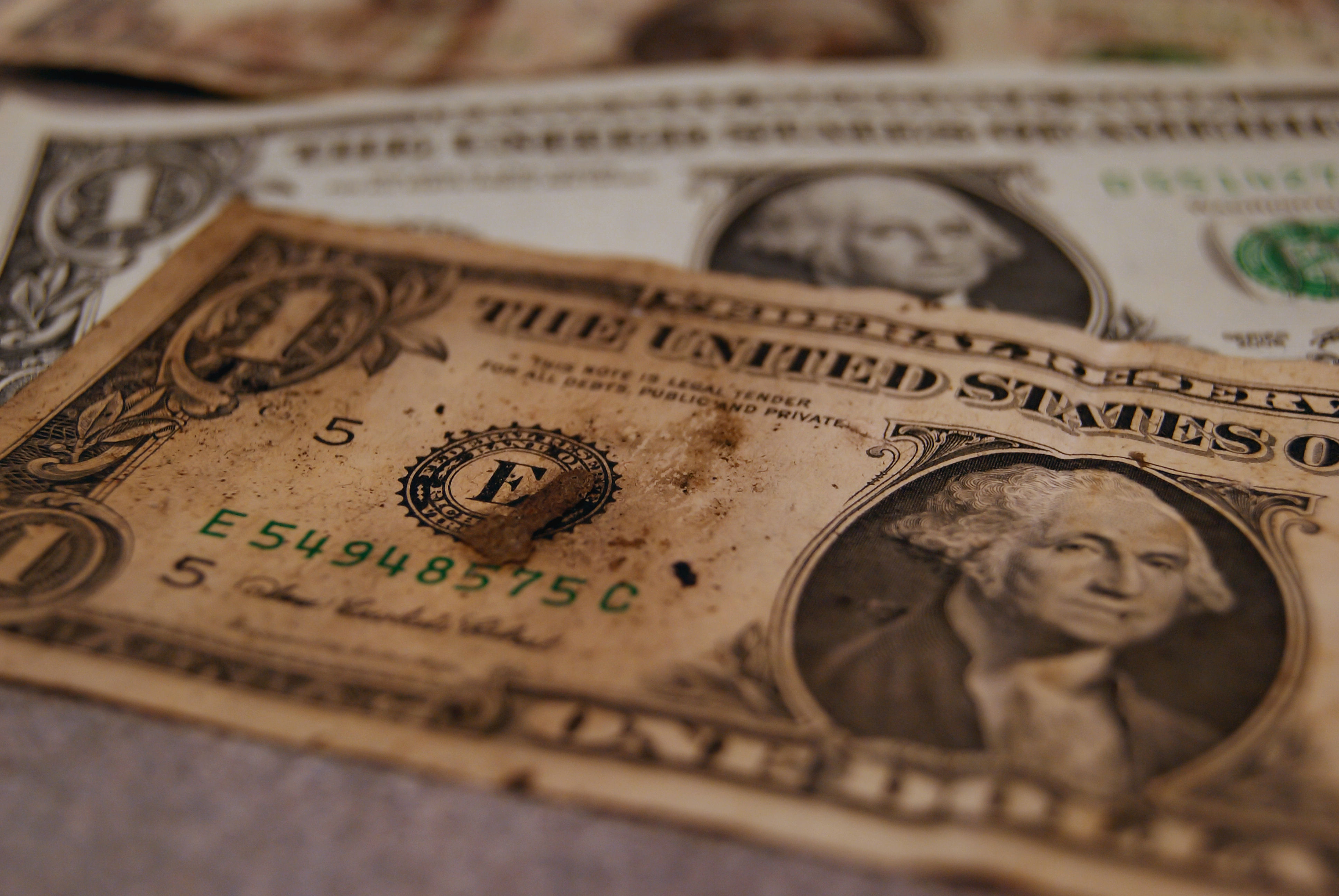
“Dirty money”: are you getting the right change from microbe-contaminated money?

SONY DSCThe phrase “Dirty money” may have different meanings for different people…but as far as microbiology is concerned….have you ever thought about what else you are getting back along with your change when you’re doing your shopping? I’m sure most of us are more concerned about getting the correct change rather than what microbes come for free with our change. For the few who have thought about what else they may be getting, I suspect that even fewer would answer: “pathogenic and sometimes multidrug-resistant bacteria, fungi and human parasites.”

In reality, we shouldn’t be surprised that bank notes and coins are contaminated with various bacteria. After all, we hardly expect them to be sterile. Our own hands are colonized with millions of bacteria and money is the most frequently passed item in the world. All studies that I have come across investigating bacterial contamination on money (paper notes or coins) have found a significant proportion to be contaminated (53-100%). I suspect that the microbiological techniques used in the various studies impacted on the results and my personal view is that the majority if not all money commonly exchanged between people will be contaminated.

The level of contamination and type or organisms on the money vary depending on the country, season, environmental conditions, type of money (paper vs coins), the type of material the money is made off, local community flora, the general hygiene level of the population and who is likely to be handling the money. Also dirty/damaged money (indication of frequent exchange) has been shown to be significantly more contaminated than clean and mint condition currency notes, and low denomination notes were more likely to be contaminated than higher denomination notes (probably reflecting frequency of use and socio-economic factors).1

The question to be asked, given the above, is: does it matter if money is contaminated with organisms? After all, this is not a new problem, as early as 1949, Nisbet and Skeoch2 have highlighted this issue. To answer this we need to look at a number of factors. These include: what type of organisms are on the money, how long are they able to survive and are they able to be transmitted to people and throughout the community from these contaminated currencies.  So let’s look at these factors in more detail:

1-  The type of organisms found on money

It is expected that bacteria will be found on bank notes and coins regardless of which country the money is from. Studies from Mexico, USA, India, Saudi Arabia, Nigeria, Kenya, Burma, China and Turkey to name few have all found significant contamination on their money. The type or bacteria found on money includes [deep breath]: E. coli, Vibrio spp., Klebsiella spp. including K. pneumoniae, Serratia spp., Enterobacter sp., Salmonella spp., Acinetobacter spp., Enterococcus spp., Staphylococcus including S. aureus, Bacillus spp., Staphylococcus epidermidis, Streptococcus pneumoniae, Proteus spp., Pseudomonas spp. including P. aeruginosa, Shigella spp.,  Corynebacterium, Lactobacillus spp., Burkholderia cepacia, Micrococcus spp. and Alcaligenes.

Looking at this list, it is clear that some of these bacteria are common environmental bacteria considered non-pathogenic. However, many are either potentially pathogenic or common human pathogens. For example, K. pneumoniae is a virulent organism and may cause both community and hospital-acquired infections. Even those organisms not commonly associated with disease in healthy hosts can cause clinically significant infections in immuno-compromised and hospitalised patients. These include even the natural inhabitants of the human skin such as Staphylococcus spp.

The story doesn’t end there since a number of studies have found multidrug-resistant and virulent strains on money. These have the potential to cause serious infections that are hard to treat, to disseminate in healthcare and community settings, and to spread antimicrobial resistant determinants to other bacteria. For example, one study3 found substantial S. aureus colonies on all 8 of the $1 and $5 bank notes collected from and around a University hospital in the USA. Tests for the presence of β-lactamases were positive and a significant number of the colonies showed resistance to erythromycin, tetracycline, chloramphenicol and vancomycin. Two isolates showed high-level resistance to vancomycin were found to harbour a plasmid conferring resistance to the drug. Taking that vancomycin is one of the last line antibiotics for treating multidrug resistant infection, this finding is very alarming. [A cautionary aside though – this work was published in the ‘Journal of Young Investigators’, so I can’t help thinking that the high-level resistance to vancomycin warrants some further investigation.] In another study,4 virulence genes were detected in S. aureus isolated from paper currency in India. Four virulence genes (cna, icaA, hlg and sdrE) were found in the isolates with 8 isolated possessing all 4 genes. Isolates harbouring these virulence genes showed higher antimicrobial resistance than those which didn’t contain these genes.

Bacteria are not the only organisms found on money. A number of studies show that fungal contamination of money is also common. Some of these are potentially pathogenic to humans and other life forms including plants. This may have implications far beyond human health to economic consequences if non-native pathogenic species are introduced into different countries via money carried during travel. For example, studies have found Penicillium spp., Aspergillus niger and A. flavus, Candida spp., Fusarium spp., Rhizopus spp., Alternaria spp, Trichoderma virie and white and brown mycelium on money.5.6 Some of these fungi can cause serious infections in humans and diseases in plants. In some countries, even parasites have been identified on bank notes. One study1 from Nigeria found that of the 250 currency notes collected from 4 major cities in the country, 21.6% were contaminated with enteric parasites including Ascaris lumbricoides, Enterobius vermicularis, Trichuris trichiura and Taenia spp. This parasite-contaminated currency was most frequently found in notes obtained from butchers and beggars. In another study,7 60.2% of 103 banknotes and 56.6% of 99 coins obtained from food-related workers in Egypt were found to be contaminated with one or more parasitic species. Protozoa were the predominant parasites, with microsporidia and Cryptosporidium spp. being the most prevalent.

2-  How long are organisms able to survive on money?

The survival of organisms on money depends on the type of the organism and their environmental resilience, the environmental conditions and the type of material the money is made of. Banknote paper is manufactured from cotton fibre, which gives the paper its strength and durability. Other additional elements maybe added to the cotton. Ploymer (or plastic) bank notes were developed to improve durability and incorporate some security features. One study8 investigated survival of MRSA, VRE and ESBL-producing E. coli on various bank notes from around the world including Euro, Croatian Kuna, Romanian Leu, Moroccan Dirham, US Dollar, Canadian Dollar, and the Indian Rupee. They found that the 3 organisms survived on the Romanian Leu for 6 hours after drying and VRE was isolated from the same notes after one day of drying. Other currencies had variable survival rates. Another in-vitro study4 found that S. aureus was able to survive on Indian paper currency for 8 days at room temperature.

3-  Are organisms able to be transmitted from money?

Transmission of organisms from money is highly significant if it occurs. For example, transmission from the community to the hospital setting is relevant because normally non-pathogenic, or opportunistic pathogens can have a serious clinical impact in such settings. On the other hand, transmission from the healthcare environment to the community is relevant when antimicrobial resistant strains (commonly found in hospitals) are involved. A study mentioned above,3 found vancomycin-resistant S. aureus on bank notes. The resistant determinant was located on a plasmid, hence easily transferrable. Notwithstanding my reservations about this study (see above), the interesting point about this investigation was the sources of the bank notes tested. These were collected from a University Hospital’s gift shop, a snack cart outside the hospital’s door and a convenience store near the hospital. The vancomycin-resistant isolates have likely originated from the hospital where the antibiotic is commonly used and had been transmitted to outside the hospital on money. In another study,8 investigators artificially contaminated bank notes of a number of countries with S. aureus and E. coli, and investigated transmission after 3 subjects with disinfected hands came into contact with these notes. Transmission was not successful for the Euro notes but transmission from US Dollars and the Romanian Leu was observed.

So we probably should be concerned with contamination of money especially when virulent, pathogenic or multidrug-resistant strains are concerned. Transmission between the healthcare and community settings can also have important implications. What’s the solution? Disinfection of the currencies in banks with UV light, supersonic or chemical means, producing bank notes from materials which inhibit bacterial growth or material with antimicrobial activity as well as replacement of traditional methods of trading with electronic money transactions,  have all been proposed. Personally I think for now, proper hand hygiene and overall hygiene remain the best ways to counter this problem.

References

  1. Uneke CJ, Ogbu O. Potential for parasite and bacteria transmission by paper currency in Nigeria. J Environ Health. 2007;69:54-60.
  2. Nisbet BR, Skeoch T. Bacteria on bank notes. Med Off. 1949;81:225.
  3. Bhalakia N. Isolation and plasmid analysis of vancomycin-resistant Staphylococcus aureus. J Young Investigators. 2005.
  4. Kumar JD, Negi YK, Gaur A, Khanna D. Detection of virulence genes in Staphylococcus aureus isolated from paper currency. Int J Infect Dis. 2009;13:e450-5
  5. Wanule D, Jalander V, Gachande BD, Sirsikar AN. Currency notes and coins as a possible source of transmitting fungal pathogens of man and plants. J Environ Sci Eng. 201;53:515-8.
  6. Kuria JK, Wahome RG, Jobalamin M, Kariuki SM. Profile of bacteria and fungi on money coins. East Afr Med J. 2009;86:151-5.
  7. Hassan A, Farouk H, Hassanein F, Abdul-Ghani R. Currency as a potential environmental vehicle for transmitting parasites among food-related workers in Alexandria, Egypt. Trans R Soc Trop Med Hyg. 201;105:519-24.
  8. Gedik H, Voss TA, Voss A. Money and transmission of bacteria. Antimicrob Resist Infect Control. 2013;2:22.

Photo credit: Sam Setzler.

Could universal glove use provide a false sense of security?

Dawson blog imageHand Hygiene and Self-Protection

Guest blogger Carolyn Dawson (bio below) writes: The BUGG study provides support for the concept of self-protection in hand hygiene through its findings that healthcare professionals were more likely to perform hand hygiene after leaving a patient room than upon entry (mean compliance at room exit vs. entry in intervention universal glove and gown group: 78.3% vs. 56.1%, respectively; mean compliance control group: 50.2% vs. 62.9%, respectively).  This may suggest a stronger awareness of contamination occurring on the hands during patient interaction than of contamination having occurred prior to patient contact. It may also indicate a higher prioritisation of the implications of contamination acquired during, rather than prior to, patient contact.

The discussion here is how such self-protection themes may affect the concept of universal glove use providing a benefit to patient safety. The “urgh” factor provides a simple phrase to represent instinctive hand hygiene drivers, both at times when hands become physically soiled and when they are in contact with things which have an “emotionally dirty” association (e.g. armpits, clean bedpans) (based on Whitby et al., 2006). The “urgh” factor has been shown to increase likelihood of hand hygiene occurring in clinical practice (my research).

The “urgh” factor can be useful for driving hand hygiene: despite other pressing variables, such as time and workload, this instinctive self-protective driver increases the likelihood that hand hygiene will still occur on some occasions, providing the related patient and healthcare professional safety benefits. But it also means that there is less of a psychological driver for hand hygiene following contact with things that are perceived as “clean” but may be as contaminated as perceived “dirty” items.

Glove use reduces the “urgh” factor

The use of gloves (including inappropriate/over-use) has been shown to be driven by themes including disgust and fear (e.g. Wilson et al, 2013), suggesting their use leads to a feeling of security, reducing this “urgh” factor.  Therefore, one could expect that activities previously resulting in high levels of hand hygiene would be affected by the adoption of universal glove use, as the “urgh” factor influence is reduced.  In other words, if you are wearing gloves, you are less likely to feel repulsed by touching something you previously would have, and thus, in turn, are less likely to perform hand hygiene. Glove use is no substitute for effective hand hygiene, which should be performed both before and after gloves are used, and at specific points during patient care (RCN 2012).

For example: imagine moving from changing a catheter bag, to cleaning a wound. Both hand hygiene and the changing of gloves must be performed. With respect to the “urgh” factor, one could expect that instinctive drivers would motivate hand hygiene in this example, as self-protective drivers lean towards decontamination after handling the catheter bag. However, when gloves are used these desires may be muted, leaving a stronger demand on the knowledge and skills of the healthcare professional to perform necessary hand hygiene and glove use protocol.

‘Correct’ and ‘Incorrect’ glove use

It is worth noting that the definition of ‘appropriate’ use of gloves is subjective, with different settings likely to adhere to different standards and guidelines. Thus, caution is required when discussing ‘correct’ and ‘incorrect’ use of gloves. There are, however, some less debatable examples where gloves are not recommended due to low risk of contamination (RCN 2012, Appendix 1), yet gloves are often used e.g. collecting equipment, writing notes (Flores and Pevalin, 2006).

The use of gloves for these activities combined with uninterrupted use of gloves (from one activity/area to another without removal – Girou et al., 2004), likely results in microbial cross-contamination via the surface of these gloves. Such activities provide no “urgh” factor safety net, therefore the need to change gloves and perform required hand hygiene requires conscious decisions from the healthcare professional, demanding cognitive input. Commenting on the misuse of gloves, Fuller et al. (2011) wrote: “the reality is that healthcare workers do not always clean their hands before donning gloves, that their hands pick up further organisms during high-risk contacts, and that hands are not always cleaned when the gloves are removed.” It seems likely that a move towards universal gloving would result in more inappropriate ‘continued use’ activities occurring.

Correct, not universal glove use

Such knowledge suggests that rather than looking towards universal gloving as a preventative strategy, continued focus should be turned towards ensuring current glove use is appropriate, seeking to harness the “urgh” factor safety net to drive hand hygiene compliance.

Carolyn Dawson Bio

I am about to submit a PhD dissertation on healthcare hand hygiene which explores the challenges faced in monitoring, measuring and providing feedback compliance data: the audit process. My research questions the potential of hand hygiene technologies (electronic surveillance) as an aid for this process, insisting that first their ‘Fitness-For-Purpose’ must be evaluated using recognised standards. The application of behavioural theory to understand how different activities may influence whether hand hygiene is executed is explored through pilot work on ‘Inherent’ and ‘Elective’ hand hygiene. This case study research has been carried out within an NHS acute setting, however application of the WHO “My 5 Moments for Hand Hygiene” as a core element allows the potential for future work to build upon this foundation outside the current setting. Prior to beginning my PhD I graduated with a BSc in Psychology and an MA from Warwick Business School, and then spent 6 years working for a global laser company as a Project Analyst.

Photo credit: CDC / Amanda Mills.

Single room survey: results

Following my blog last week reflecting on the debate published in the British Medical Journal on “Should hospitals provide all patients with single rooms?”, I asked the same question to Linkedin and Twitter. My informal poll received a total of 37 responses, which is not the largest survey you’ll ever see but probably a meaningful sample size. Overall, 54% of respondents answered ‘Yes’ and 45% answered ‘No’ (Figure).

single room surveyFigure: “Should hospitals provide all patients with single rooms”. Results from 37 respondents in online polls on Linkedin and Twitter.

An interesting feature of the survey was the difference between Linkedin and Twitter, with two third of respondents saying Yes on Linked vs. only 20% on Twitter. I suspect this is explained by the fact that most respondents on Twitter were frontline healthcare workers, who see first-hand the problems caused by placing patients in single rooms when they’d rather be in a bay, or when it compromises their safety.

As with most surveys, the listening to the comments that people make is probably more important than the answers they give, particularly to binary questions such as this one. The poll promoted some useful discussion on Linkedin, with several comments wrestling with the pros and cons of single rooms. I’ve collated a number of Tweets below, which illustrate the view of many frontline staff that a mixture of single rooms and bays is preferable:

  • Healthcare Infection ‏@HealthcareInfec, 4 Dec: “single rooms- a minimum requirement would be a good start & allows flexibility if needed. Certainly >50%.”
  • AllisonClaireBradley ‏@allisoncbradley, 3 Dec: “No for me too. Get so many requests from patients desperate to move out of isolation.”
  • Craig Bradley ‏@CraigBradleyF1, 3 Dec: “NO for so many reasons. We do well with 36%.”
  • Sue Millward @suemillward1, 3 Dec: “Not all patients want to be alone, Some pts need to be watched! So NO.”
  • Gary Thirkell ‏@pollygary 3 Dec: “depends on speciality. Yes for some and no for others. Ability to adapt the room a possibility.”
  • Infection Control ‏@uhcw_inf_con 3 Dec: “No. Isolation has psychological impact on patients & can effect falls risk amongst other things. Need holistic care.”

Clearly, there are some inherent problems with polls, not least the fact that those with strong opinions are more likely to respond and I have no idea how many people saw the survey and decided not to vote. The roughly 50:50 split in opinion on the single room issue is similar to the survey of patients commissioned by the Scottish government, which found that 41% of patients would prefer to be admitted to a single room.

Should hospitals provide single rooms for all patients? Whilst I would definitely prefer a single room if admitted to hospital, there are some strong arguments for a mixture of single rooms and bays in some specialties. So, I agree with the English recommendation of 50% single rooms as a minimum requirement.

Should hospitals provide all patients with single rooms?

hospital ward

The British Medical Journal recently published a ‘Head to Head’ debate between Prof Hugh Pennington and Dr Chris Isles addressing the question of: “Should hospitals provide all patients with single rooms?”

Prof Pennington made the case for 100% single rooms (see Table below), which provide infection control benefits; increased privacy, dignity and confidentiality; less noise results in sleep; intimate contact with families is easier; patients have more control over their immediate environment at a time when they have little control over what happens to them; there is better access for bed-side treatment; and bed management is improved, with less bed-blocking due to gender or infectious patients, resulting in fewer patient transfers.

Dr Isles countered with the case for a mixture of single rooms and bays (see Table below). His argument goes that ‘one room does not fit all’; patients crave company at what can be a very lonely time; patients in single rooms have less contact with healthcare workers, and patients will look out for each other when something goes wrong; and there is surprisingly poor evidence that increasing the proportion of single rooms reduces healthcare-associated infection.

Table: comparing the relative benefits of single rooms and multi-occupancy bays.single rooms bays

It’s interesting to note the variety in national approaches taken to advice on whether hospitals should provide single rooms for all patients. The USA and, more recently, Scotland recommend 100% single rooms, whereas England recommends 50% single rooms for newly built hospitals. There are also some ‘halfway house’ options to consider in terms of temporary or semi-permanent conversion of bays into single rooms, which may go some way to maximising the benefits of single rooms and bays.

If I had to spend time as a hospital inpatient, I’d want a single room. I appreciate that some would find social benefits from being accommodated in a four or six bed bay, but I’d like my own privacy please. And then there’s the risk of infection – healthcare workers are significantly more likely to perform hand hygiene before attending to a patient in a single room than in a bay. Plus, overall infection rates were lower in a unit composed of single rooms compared with a unit composed of a mixture of single rooms and bay. I know that I’d receive less visits from healthcare workers, and that this carries risks, but I’d still prefer a single room thank-you very much!

Article citation: Pennington H, Isles C. Should hospitals provide all patients with single rooms? BMJ 2013;347:f5695.

Other references:

  1. Teltsch et al. Arch Intern Med 2011; 171: 32-38.
  2. van de Glind et al. Health Policy 2007;84:153-161.
  3. Borg MA.  J Hosp Infect 2003;54:316–318.
  4. Haill et al. J Hosp Infect 2012;82:30-35.
  5. King et al. Building and Environment 2013;59:436-447.
  6. Moore et al. J Hosp Infect 2010;76:103-107.
  7. Jolley S. Nursing Standard 2005;20:41–48.
  8. Barlas et al. Ann Emerg Med 2001;38:135–139.
  9. Lawson & Phiri. Health Serv J 2000;110:24–26.
  10. Ulrich et al. White Paper #5. The Center for Health Design. 2008.
  11. Maben J. Nurs Manag 2009;16:18-19.
  12. PricewaterhouseCoopers. The role of hospital design in the recruitment, retention and performance of NHS nurses in England. 2004.
  13. Stelfox et al. JAMA 2003;290:1899–1905.
  14. Tarzi et al. J Hosp Infect 2001;49:250-254.
  15. Young & Yarandipour. Health Estate 2007;61:85-86.
  16. Mooney H. Nursing Times 2008;104:14-16.
  17. UK Dept Health. Ward layouts with single rooms and space for flexibility. 2005.

Photo credit: Ward at the Royal Free Hospital, c.1908; Royal Free Archive Centre.