PHE have just launched an interactive database for HCAI and AMR data from England using their ‘Fingertips’ platform. The HCAI data in the module has been available for years, but was buried in pretty dense Excel spreadsheets so tricky to visualise. The Fingertips platform makes data extraction and visualisation so easy even I can do it (example below).
Antibiotic resistance
Poultry production and antimicrobial resistance in India

Take a look at these three stories on intensive poultry production and antimicrobial resistance in India published yesterday on the Bloomberg website. In accordance with what the movie industry does, these articles should be accompanied by a warning: “These articles contains scenes that some readers may find disturbing”. As the editor of the articles said in an email to colleagues that forwarded it to me: “I think you’ll agree that these are important stories and deserve attention (and hopefully a response from the appropriate authorities and the community).” Obviously, I do agree.
Review on AMR: Report on Infection Prevention and Control, and Surveillance

The Review on AMR published their final instalment today: a report on Infection Prevention and Control, and Surveillance. A report on IPC was not planned at the start of the Review, so the existence of this report illustrates the responsiveness of the Review team. Also, having been peripherally involved in reviewing this report, I am aware that it was written within an extremely short timeframe but it does not show: it is comprehensive and thought-provoking (as it should be) with some useful recommendations.
We need to EMBRACE engineers in the fight against HCAI and AMR

I attended the first EMBRACE seminar today at Imperial College London. EMBRACE (Engineering, Medicine, Natural Sciences and Physical Sciences Bridging Research in Antimicrobial resistance: Collaboration and Exchange) is a gap-bridging collaborative aiming to bring together Engineers, Scientists, Doctors, and others to find new ways to address AMR and tackle HCAI. I thought I’d share some of my highlights from the seminar.
Review on AMR: progress to date

Like many others, I am keeping a close eye on the UK Government’s commissioned ‘Review on AMR’. The Review team have been tremendously productive over the last few years, already releasing detailed reports on:
Colistin resistance in CPE: an emerging threat

I am becoming increasingly interested in colistin resistance in CPE, not least because of this work that we will be presenting on colistin resistance in CPE at ECCMID in a few months time. I have been brushing up on how colistin resistance occurs in CPE, and why it is important, so thought I’d share my findings. I started with a pubmed search for “colistin resistance mechanism” on 12/02/16 and this is what I found (85 hits from the initial search):
Colisin
Colistin is an old class (discovered during WWII) of cationic antibiotic. Colistin (polymyxin E) is a polypeptide bactericidal agent and is one of the two clinically available forms of polymyxin agents (polymyxin B and polymyxin E). Colistin interacts with lipopolysaccharide in the outer membrane, resulting in a leaky and ultimately dead bacterial cell.1 Issues with presumed nephrotoxicity have kept colistin very much on the top shelf, but the emergence of CPE has brought colistin down a shelf or two – and we are learning that the nephrotoxicity tradionally associated with colisin may not be so bad afterall.1
Antibiotic surgical prophylaxis: stewardship’s ‘elephant in the room’?
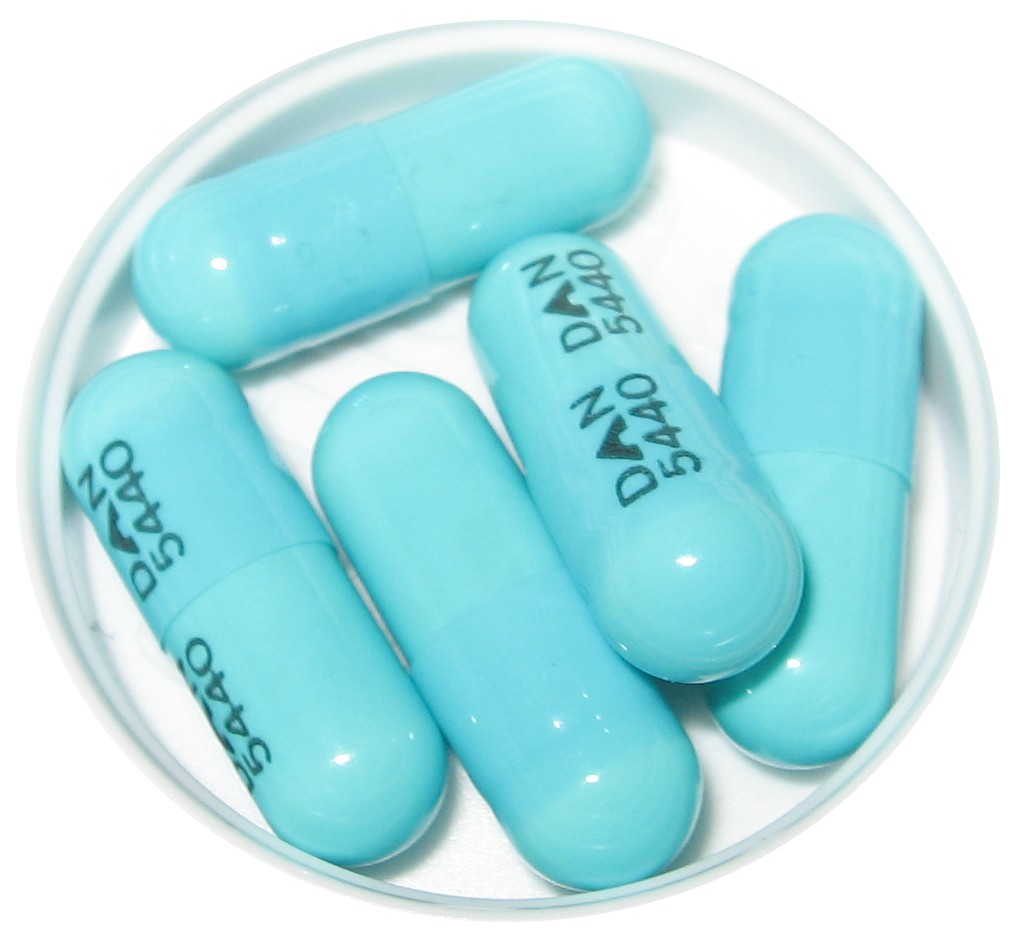
We are all pretty comfortable with the idea that we have used too many antibiotics in the past and now we are reaping the consequences. I think we are also all in agreement that we need to start using antibiotics much more rationally – and keep the big guns firmly on the top shelf, double-wrapped in password-protected packaging that you can only access with a fingerprint and retinal scan (whilst acknowledging that they will still somehow be prescribed by a junior doctor at 3am for a sniffle). But I get the feeling that we all have a bit of a blind spot (or soft spot) for surgical prophylaxis. Here, the situation is different, surely, because the consequence of an SSI is so great that the likely ‘cost’ of widespread surgical prophylaxis is outweighed by the gain of fewer SSIs? But has this become stewardship’s elephant in the room? We are comfortable talking about restricting carbapenem use in acute hospitals, but I don’t hear as much discussion about stopping the use of antibiotics for surgical prophylaxis! On one level, isn’t this is the same arguments as for ‘selective’ digestive or oral decontamination (SDD / SOD) in the ICU? Here, the argument in factor of SDD / SOD is compelling: fewer deaths and less spread of resistant bacteria. But indiscriminate use of antibiotics, which is bound to fuel antibiotic resistance in the long run, just cannot be a good idea, particularly in the high-risk ICU population.
CRISPR-Cas “surgical strikes” against antibiotic-resistant bacteria

We are in desperate need of antibiotic-sparing approaches to antibacterial therapy. Antibiotic resistance is increasing, and we are becoming increasingly aware of the impact of antibotics on the microbiota. I blogged a while ago about CRISPR-Cas systems being used to tackle antibiotic-resistant bacteria on surfaces. But the same approach could be applied to treating human infections.
Which is more important? Antibiotic resistance or pyelonephritis?

As we move inexorably towards the end of antibiotics, antibiotic-sparing approaches to the management of infectious diseases become more and more attractive. A study published recently in the BMJ compared the ‘symptomatic’ treatment of uncomplicated UTI in women in the community using ibuprofen with antibiotic treatment using fosfomycin.
Could phages pre-programed for a “surgical strike” against antibiotic resistant bacteria be the ultimate microbiome-sparing surface disinfectant or skin sanitiser?

It is becoming increasingly clear that a happy, healthy microbiome is fundamentally important to human health. Perturbation of the microbiome – especially in the gut – is responsible for C. difficile infection and probably many other diseases directly and indirectly linked to the gut. This has led to a move towards microbiome-sparing approaches to therapy. Faecal microbiota transplantation is one such approach, which happens to be spectacularly effective for treating recurrent CDI and may also be useful for decolonising carriers of resistant Gram-negative bacteria. A related approach is using a ‘competitive exclusion’ to reduce the level of contamination of hospital surface with hospital pathogens by seeding the surfaces with live Bacillus sp. spores. But wouldn’t it be great if there was a way to specifically target antibiotic-resistant bacteria and leave yourself with an antibiotic-susceptible population?
 Reflections on Infection Prevention and Control