CMI have just published an article outlining the whopping cost of our CPE outbreak, costing the hospital group in question around £1m over 10 months. We split the costs into ‘actual expenditure’, which would affect the hospital’s financial bottom line, and ‘opportunity costs’ (such as staff time and missed revenue), which can be quite tricky to account for. The large cost of the outbreak and its management accrued over a short time period make a strong financial case for investment in IPC.
Author: Jon Otter (@jonotter)
Are CA-MRSA more virulent than HA-MRSA?
Community-associated MRSA (CA-MRSA) are characterised by the ability to cause infections – and sometimes serious invasive infections – in previously healthy individuals without healthcare contact. We don’t see this clinical manifestation in healthcare-associated MRSA (HA-MRSA), so it’s is logical to conclude that CA-MRSA are somehow more virulent than HA-MRSA. However, a recent study published in the Journal of Medical Microbiology shows that CA-MRSA strains were no more virulent than HA-MRSA strains in a battery of laboratory tests. This suggests that CA-MRSA’s ability to cause infections in healthy individuals without healthcare contact has more to do with transmissibility than virulence. And this explains the curious phenomenon that CA-MRSA seem to cause the same spectrum of disease as HA-MRSA when they infiltrate a healthcare setting.
Chased by an antibiotic-induced C difficile-shaped shadow

A fascinating new JAMA Internal Medicine study suggests that being admitted to a room when the prior occupant had taken antibiotics increases the risk of the subsequent occupant of the same room developing C. difficile infection (CDI). Quite a few convincing epi studies have showed that admission to a room when the prior occupant was known to have a number of key pathogens (including C. difficile) increased the chance of acquisition for the subsequent occupant. But this study extends the ‘prior room occupancy’ concept into a new dimension!
I see a GNBSI reduction target on the horizon…

I have finally got around to reading the UK Government response to the AMR Review, which includes some interesting details about aspirations to reduce Gram-negative BSIs (GNBSI) and antibacterial agent usage in human and animal health.
Reflections from Infection Prevention 2016

As is now becoming traditional, I thought I’d share a few reflections from the recent IPS conference in Harrogate. Fantastic to see the submitted abstract published, full and free, in a Journal of Infection Prevention supplement.
Using the Toolkit to build a CPE policy

I led a workshop at IPS today with my colleague Tracey Galletly on using PHE’s Toolkit to build a CPE policy. We based the session around a series of multiple choice questions that the audience voted on. I thought I’d share the results and key points raised! Continue reading
What do nurses have to do with anti-infective stewardship?

Nurses are usually non-prescribers, so that means that anti-infective stewardship is the domain of the prescribing doctors and pharmacists, right? Wrong! Nurses have an enormous and enormously under-estimated role in anti-infective stewardship! Continue reading
Trends in US antibiotic use: we’re creating a monster!
Always great to see infection-related data in the top medical journals, like the recent overview of antibiotic use in the US published recently in JAMA Internal Medicine. There’s good news and bad news in the article: overall use of antibiotics in data from 300 US hospitals did not increase between 2006 and 2012. However, the use of key broad spectrum agents did increase significantly, including the carbapenems. I am sure that many of these uses of ‘top shelf’ agents is indicated by the resistance patterns of the organisms being treated, but the net effect is perpetuating the antibiotic-resistant monster! Continue reading
Probiotics vs C. difficile
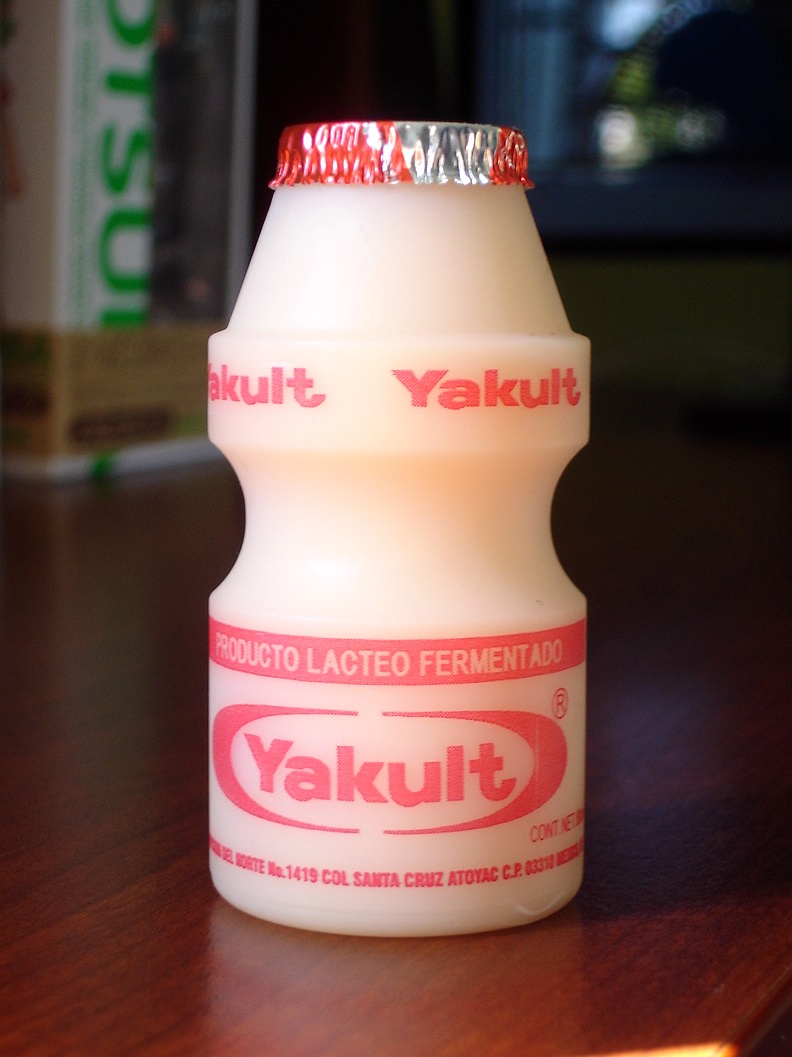
C. difficile infection is a disease of dysbiosis – the most common pathology is that antibacterial agents disturb the balance of micro-organisms in the gut leaving C. difficle the ecological space to produce toxin and cause diseases. So, could it be that ‘probiotics’ could fill the ecological space and reduce the risk of CDI? Despite numerous trials, the jury is out!
“HCAI”

I read a Controversies blog today, reflecting on a recent editorial suggesting that, because of frequent over-diagnosis, we should use quote marks every time we write “CAUTI” – and even use air quotes every time we say it! But why stop at CAUTI? Should we be talking about “CLABSI”, “CDI”, “SSI” and, well, any “HCAI” really?
 Reflections on Infection Prevention and Control