I was on the train last week on the way to work knowing that my first task of the day was to deliver a lecture on “Creative IPC Issues” to some student nurses. I reviewed the 60-strong slide deck that I’ve run through before and, honestly, my heart sank at the thought of running through them again. If that’s how I was feeling about the session, how could I possibly have delivered effective education? So, slightly impulsively, I threw out the slides and created some interactive scenarios to give an illustration of what it’s like to work in IPC (covering various microbial threats, risk identification and management, staffing challenges, relationship with partners, the regulatory environment, and quality improvement). Whilst I haven’t actually received formal feedback from the group, everybody seemed interested and engaged (in contrast to the previous 60-slide-death-by-powerpoint version!) – and if nothing else, I enjoyed it (which is an important part of delivering effective education.
Continue readingtraining
How far can environmental hygiene REACH in reducing HCAI?

Brett Mitchell and colleagues have just published the exciting findings of the Researching Effective Approaches to Cleaning in Hospitals (REACH) study in the Lancet Infectious Diseases, along with my editorial. This large 11-centre randomised intervention study found that a low-cost enhancement to environmental hygiene managed to significantly reduce VRE infections, but did not reduce S. aureus bacteraemia or C. difficile infections.
Focusing on the role of nurses in environmental hygiene

I was asked to write a series of articles in the Nursing Times (along with my colleague and co-author Tracey Galletly) on the role of nurses in environmental hygiene*. Et voila:
Online HCAI / IPC / AMR / AMS / training resources

I am on the hunt for some free online training resources for HCAI / IPC / AMR / AMS / IPC, at a basic, intermediate, or advanced level. Here’s a summary of what I’ve unearthed so far.
PPE for preventing highly infectious diseases

The use of PPE and the protection of HCWs against highly infectious diseases was (and is) a topic of major importance, around the globe. The recent Cochrane review by Verbeek et al. was probably hoping to offer this “vital” information.
Unfortunately, they found no studies on the effects of goggles, face shields, long-sleeved gloves or taping on the risk of contamination. All they found was very low quality evidence, with high risk of bias and uncertain estimates of effect, that:
- More breathable types of PPE offer more comfort without increasing the risk of contamination
- Double gloving and CDC doffing guidance appear to decrease the risk of contamination, and
- Active more than passive training in PPE use may reduce PPE and doffing errors.
Their conclusions are obvious: we need high-quality studies of the materials, their use and protective effects, safe ways of doffing, and the most adequate training to achieve safe use of PPE for HCWs in the presence of highly infectious diseases or those (even less infectious) that may cause severe harm to HCWs.
But what to do until than? My personal opinion is that we should only use PPE, we are used to and know how to use. First-time users, even if supplied with the best available products, will inevitably fail to remove the PPE without error. Consequently, institutions should have a stable selection of PPE, and in the case of preventing highly infectious diseases, a selected group of HCWs with continuous active training, as it is too late to start when the next epidemic is hitting our healthcare centers.

What does it take to get an infection prevention and control service into shape?
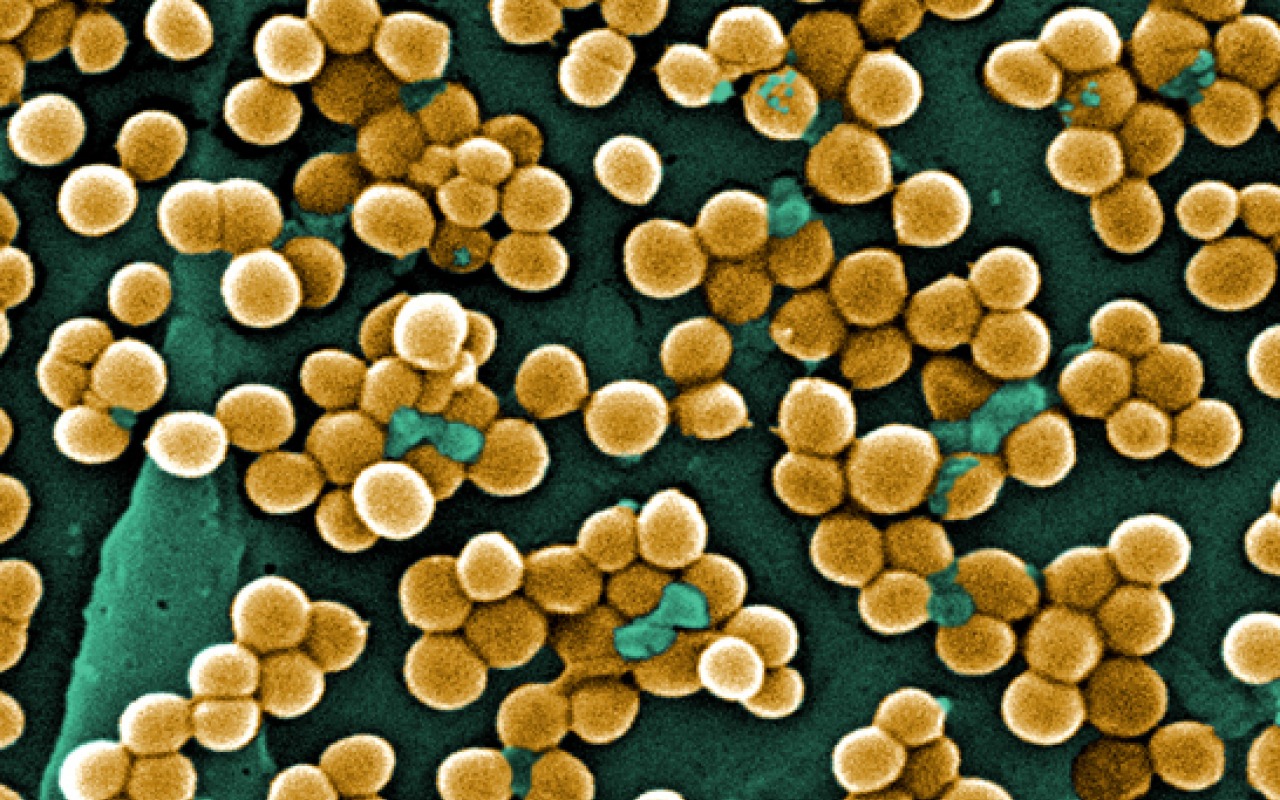 Whilst the organisation of an infection control service isn’t everybody’s cup of tea, it is mine now. So, what are the key elements of a successful programme? A thoughtful review in Lancet ID penned by an all-star cast (including Zingg, Holmes & Pittet to name but a few) provides a framework for answering this question. Their systematic review yielded 10 key components:
- Organisation of infection control at the hospital level;
- Bed occupancy, staffing, workload, and employment of pool or agency nurses;
- Availability of and ease of access to materials and equipment and optimum ergonomics;
- Appropriate use of guidelines;
- Education and training;
- Auditing;
- Surveillance and feedback;
- Multimodal and multidisciplinary prevention programmes that include behavioural change;
- Engagement of champions;
- Positive organisational culture.
None of these are especially surprising, or that difficult to implement. It’s strange in a way that we know from multiple studies that high bed occupancy results in more transmission (specifically of MRSA). So why don’t we just reduce the rate of bed occupancy? If you account for the extended length of stay for patients who become infected, it would probably result in a net increase in patient throughput. Similarly, understaffing results in more transmission (again, specifically of MRSA). So why don’t we just make sure we hit adequate levels of staffing? I suspect the answer here is short-sighted accountancy combined with a genuine lack of the right staff to fill the necessary vacancies.
I’ve always found it a bit odd that the mere act of performing surveillance and reporting the results back to wards reduces HCAI – but there’s a fair amount of data behind this. I suspect it has to do with the type of people we are dealing with: busy healthcare professionals. If their unit’s rate of MRSA (or whatever) is, in the politest possible sense, in their face, they’re more likely to do something about it.
Finally, nurturing a positive organisational culture is crucial but somewhat philosophical. How do you measure whether your organisation has a positive culture? Perhaps perception is reality here, so the best approach is probably to consider organisational positivity as a highly transmissible infectious agent!
 Reflections on Infection Prevention and Control