This blog is usually concerned with covering the latest developments – but this post features a paper published in 1962! Have you ever wondered what would happen if you didn’t do hand hygiene? Well, this remarkable, shocking, and absolutely unrepeatable study from the 1960s gives us the answer: the result would be transmission of pathogens that can cause HCAI.
Hand hygiene
We need to win hearts and minds to improve hand hygiene practice
I listened to Reflections’ very own Martin Kiernan share his wisdom on the challenges around hand hygiene improvement this week, and thought I’d share my own reflections on his talk. The key point seemed to be that we have some way to go in winning the hearts and minds of our frontline clinical colleagues if we are to improve hand hygiene practice across the board.
Four little words…Clean care for all
Guest bloggers Claire Kilpatrick and Julie Storr (hand hygiene consultants at the WHO, @safesafersafest) post…
Three little words, behind which lay 40 years of a global aspiration. Health for all. Last year the world recommitted to Alma Ata and renewed the global focus on health as a fundamental human right. In 2019, WHO’s 5 May global hand hygiene campaign evokes the spirit of health for all with its own four words: Clean care for all. How is this relevant to infection prevention and control (IPC) on a day to day basis, particularly for the other 364 days of the year?
“It’s in Your Hands” – time to sing along
Friends and colleagues in Geneva have just released a song written and performed for the upcoming World Hand Hygiene Day. It’s a catchy tune with a nicely produced video – and a strong message in the chorus:
‘Hands are such a simple thing, but our hands can change most everything. Keep care safe and take a stand, clean care for all – it’s in your hands.”
Have a listen and see what you think:
That sinking feeling

I’m at ECCMID in Amsterdam currently listening to a nice report of an OXA-48 Klebsiella pneumoniae outbreak in Gran Canaria in which sinks were found to be contaminated and replaced. Earlier today I listened to a nice paper on how sinks that drain slowly are more likely to contaminate the local environment for up to 1 metre from Paz Aranega Bou who, together with Ginny Moore and other colleagues has published this nice paper . So many papers on sinks now and I do wonder if we have lost sight of what they do and what they really are.
“Why Dutch hospitals are so good at beating superbugs”
It is with great pleasure that I ask your attention for this article that appeared in the Economist. Yes, we still have low resistance rates in our hospitals and if you’re interested in how that happened, read it. The prosaic composition contains two parts; a very realistic thriller-like opening, followed by a second part with a rather unrealistic explanation. Both parts are separated by a short sentence of absolute nonsense. Time for a review. Continue reading
Hand hygiene and the courage to challenge: a personal reflection
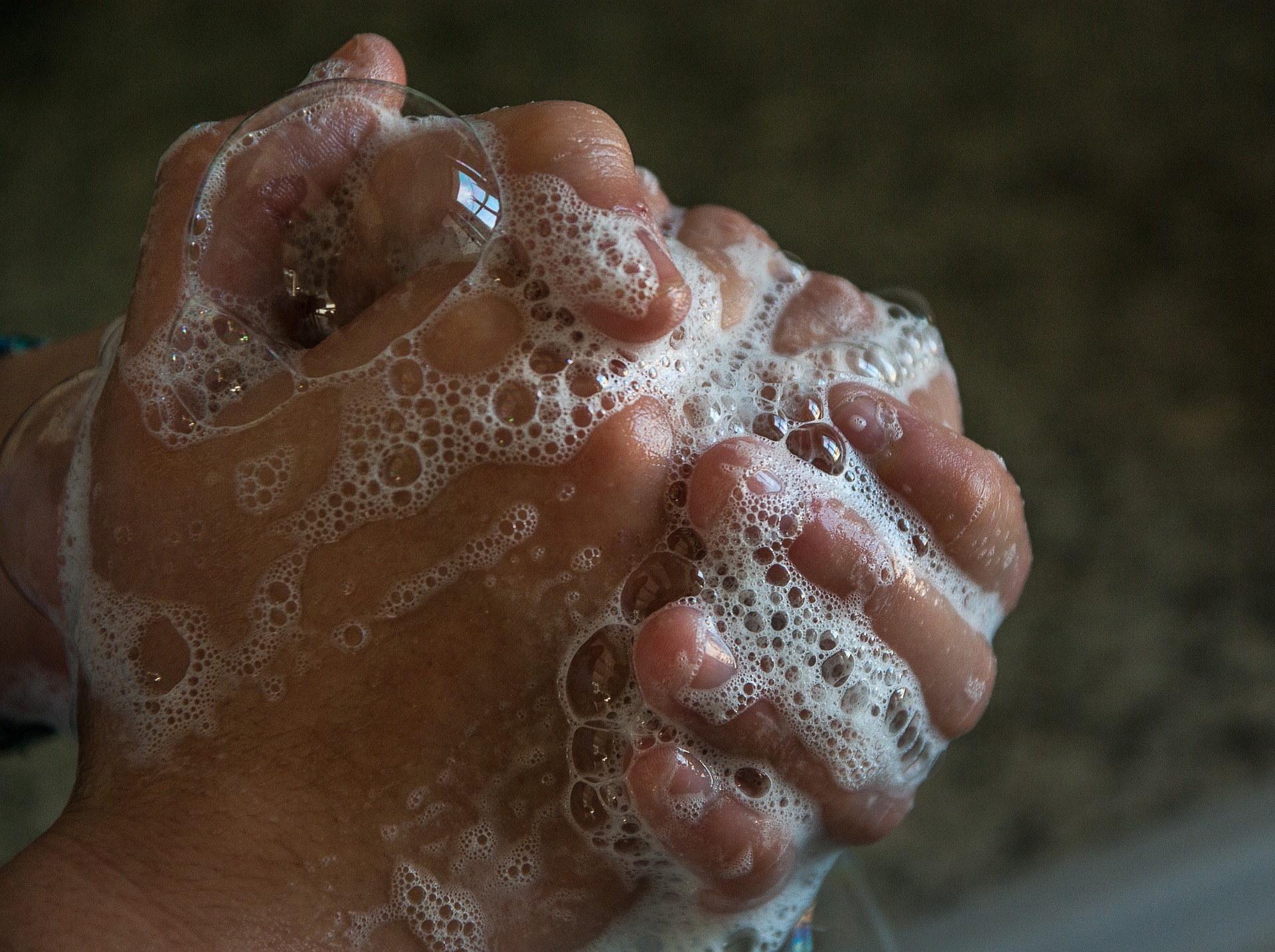
Allow me to set the scene: I was visiting an elderly relative in an NHS hospital recently (they would deny being elderly – but I’m afraid it is now true). I witnessed a healthcare worker moving efficiently from bed to bed examining each patient (including direct patient contact) to take observations without any hand hygiene between patients and without decontamination of the reusable blood-pressure cuff. I explained to my relative the need to challenge this behaviour. My relative asked – almost pleaded with me – not to intervene saying “you’ll clear off and they’ll be left caring for me overnight”. So, did I have the courage to defy my relative and challenge this behaviour?
Are alcohol gels doomed by resistant bacteria?

A high profile article was published earlier this year in Science Translational Medicine, suggesting that Enterococcus faecium can exhibit clinically relevant levels of tolerance to alcohol-based hand hygiene products. The article has generated a huge amount of press coverage and discussion amongst experts. So, I thought it was about time I gave the article a once over. My initial thought was this would be unhelpful extrapolation of low-level tolerance to alcohol gel that wouldn’t be meaningful in a clinical setting. But having read the paper, there’s genuine concern here. Overall though, if true resistance to alcohol gel was going to be a problem, I’m pretty sure it would have reared its ugly head already.
Hand hygiene edutainment via YouTube
We’re always seeking new and engaging ways to deliver IPC-related education. An interesting study in AJIC provides a useful framework to evaluate and assess the education content of YouTube videos aiming to deliver hand hygiene education.
The Trojan Horse
 I’ve been mulling over the issue of sinks in clinical areas a lot recently and a paper published today in the Journal of Hospital Infection has really crystallised my thoughts. Sinks are everywhere; often extra ones are installed in the quest for high hand hygiene compliance however are we really thinking about the risks that these may cause apart from the traditional ones posed by Pseudomonas and Legionella? Do we even really reflect upon what they are used for? Continue reading
 Reflections on Infection Prevention and Control